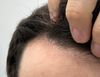
User saw hair growth after three months of using oral finasteride, microneedling, serums, and devices. Minoxidil did not work for them, and they previously had a hair transplant.
A user shared their experience with a hair transplant, emphasizing the importance of avoiding caffeine 7 days before the procedure. Ignoring this advice led to reduced effectiveness of the numbing agent, causing significant discomfort during the transplant.
The user has been using a topical combination of finasteride, minoxidil, and dermastamping for three months to address hair loss. They are considering adding tretinoin and are discussing the effectiveness of topical versus oral treatments.
A user shared their 4-month post-hair transplant progress, noting they use oral minoxidil, oral finasteride, biotin pills, and a hair repair serum. They are pleased with the results and hope for increased hair density.
The conversation discusses the appearance of hair transplants immediately after surgery, noting that scars will be covered as hair grows. The original poster underwent both FUT and FUE procedures.
OP is using oral 1mg finasteride, topical minoxidil, and microneedling twice a month at .75mm to regrow hair. They shared progress pictures over two months, noting they were bald for years before starting treatment.
Microneedling combined with minoxidil is helping users see hair growth progress. One user reported significant results after two months of using oral minoxidil and microneedling.
The user plans to use a 1.5 mm dermapen for microneedling every 10 days and is considering applying aloe vera afterward. They also inquire about the timing for washing their hair before and after the treatment.
A user shared their 6-month update after a 5000-graft hair transplant at Sule Hair Clinic in Istanbul, noting a smooth procedure and ongoing growth without using finasteride or minoxidil. Some users expressed concerns about the decision to avoid these treatments, predicting potential future hair loss issues.
Users discussed their experiences with microneedling for hair loss, noting that visible progress typically starts after 1-4 months. Some combined microneedling with Minoxidil for better results.
A human trial of verteporfin, a potential treatment for hair loss, with some users noting potential improvements in scarring and overall healing compared to control areas.
A 37-year-old male started a hair loss treatment 7 weeks ago using 1mg finasteride, 1.5mg minoxidil, and microneedling, with noticeable coverage improvement except for the right temple. He is considering a hair transplant in the future if needed.
The conversation is about someone experiencing hair regrowth using 1mg finasteride, 5% minoxidil, ketoconazole shampoo, and microneedling twice a week, and considering adding dutasteride to the regimen. They shared progress pictures from September 30th, December 3rd, and December 14th.
The conversation discusses hair regrowth using finasteride, minoxidil, RU58841, tretinoin, castor oil, and microneedling over three months. There are signs of early hair regrowth, with expectations of fuller hair in a year.
Celebrities often use hairpieces, transplants, or medications like Minoxidil to maintain their hairlines. Hair transplants require ongoing medication, and opinions on their success vary.
A user is considering a hair transplant and seeks advice on choosing a clinic, mentioning Spain, Turkey, and the U.S. as options. They are inspired by FC Barcelona goalkeeper ter Stegen's results and are willing to spend up to 50k euros for the best outcome.
The conversation is about a user preparing to join the ABS-201 clinical trial for hair loss treatment, which involves a prolactin inhibitor. The user plans to update others on their progress if enrolled.
A user shared their 11-week post-op hair transplant results, noting they use only vitamins, not minoxidil or finasteride. Replies suggest starting finasteride to maintain results, with mixed opinions on the current progress.
The user experienced improved self-confidence and hair regrowth using finasteride, minoxidil, and dermarolling. Visible results were noted after about three months, with microneedling done once a week.
Sapphire FUE uses sapphire-tipped blades for more precise incisions, but the surgeon's skill and overall procedure management are more crucial for success than the blade type. Both Sapphire and Standard FUE can yield similar results, with recovery influenced more by individual factors and aftercare than the blade used.
The post discusses a successful hair loss treatment involving a hair transplant, finasteride, and minoxidil. The user underwent a 2000 graft hair transplant at the hairline in a clinic in Sweden.
A 24-year-old is seeking advice on whether to get a hair transplant now or wait until age 25, and is asking for clinic recommendations in Puglia, Brindisi, Albania, Türkiye, or Naples.
The user is pleased with their hair transplant results but is concerned about the vertex area. They use Minoxidil and finasteride daily and had the procedure at a clinic in Athens.
The user is asking if the hair regrowth achieved from microneedling can be maintained by just using finasteride after stopping microneedling. They used microneedling to enhance the effects of finasteride on hair growth.
A person dealing with hair loss is considering shaving their head, using scalp micropigmentation to cover a FUT scar, or trying a hair system. They are also contemplating treatments like minoxidil, finasteride, and dutasteride.
Microneedling once a week at 1mm caused bumps, possibly scars, in the treated area. The user is considering cleaning the skin before microneedling to prevent this issue.
The user had been using Minoxidil and Dutasteride with micro-needling but experienced hair loss after switching Minoxidil brands. Their doctor prescribed oral Minoxidil and Tretinoin, but the pharmacist suggested isotretinoin might be a more cost-effective alternative.
The conversation discusses using peptides BPC-157 and TB-500, combined with microneedling, to potentially enhance hair regrowth. The user plans to try BPC-157 due to its lower cost and reports of hair growth, despite limited human trials and concerns about side effects from other treatments like minoxidil and finasteride.
A 36-year-old male shared a 5-month update on his hair loss treatment, which includes finasteride, minoxidil, and microneedling, along with having had 3 hair transplants. He noticed hair thickening and color change within the first 2 months and regrets not starting finasteride earlier in his life.
The post discusses using a combination of Dutasteride, Minoxidil, Ketoconazole, Estradiol, and Spironolactone for hair regrowth. Users suggest it needs more time and possibly a transplant, with some sharing personal experiences and side effects of similar treatments.