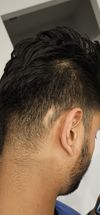
The user experienced excessive scalp oiliness and high testosterone levels after switching from finasteride to dutasteride. They plan to manage their condition with finasteride and are considering spironolactone to reduce testosterone and restore dry skin.
A user's experience of using finasteride to treat hair loss, including details about shedding and side effects; their regimen; and the advice given by others about diet, sport, smoking, and topical treatments.
The conversation discusses the fluctuation of testosterone levels in men under 40 and the difference between serum DHT and scalp DHT. It also mentions that DHT levels are higher on Dutasteride than on Finasteride, which is unusual.
Using a combination of low-dose topical finasteride (0.025%) and 0.5% pyrilutamide for hair loss, with a focus on minimizing side effects. The user seeks experiences and results from others who have tried this combination.
A user experimented with creatine while using finasteride and minoxidil for hair loss, noticing increased bald spots and thinner hair, but attributed it to his hair cycle rather than creatine. Other users suggested that creatine doesn't cause hair loss directly, but increased testosterone from workouts might affect those with a genetic predisposition.
The user experienced noticeable hair regrowth after using finasteride for 2 years, oral minoxidil for 1 year, and recently starting dermarolling. The right temple shows significant improvement, while the left remains similar.
RU58841 caused severe side effects like heart palpitations and shortness of breath, leading the user to stop using it. Minoxidil and finasteride were effective without side effects, while RU58841's safety and effectiveness remain uncertain.
The conversation jokes about hair loss treatments, mentioning finasteride, minoxidil, dutasteride, microneedling, ketoconazole shampoo, and rosemary oil as if they were players in a game. Some users also discuss the use of finasteride for prostate issues and the possibility of splitting the dose.
Someone who is 18 and has been balding since 15 starting treatments with finasteride and minoxidil to stop or reverse their hair loss, as well as discussing the dilemma of whether it's rude or helpful to point out another person's hair loss.
Switching from finasteride to dutasteride led to hair density loss, prompting consideration of returning to finasteride. Consistency with dutasteride and adding RU58841 did not prevent the loss, and users suggest giving dutasteride more time or consulting a dermatologist.
A user is considering using topical finasteride, topical minoxidil, RU58841, and dermarolling twice a week to address hair loss after experiencing side effects with oral finasteride. They previously saw positive results with a topical spray containing finasteride, minoxidil, and tretinoin but discontinued use due to laziness.
The conversation is about disappointment with hair loss progress despite using treatments like finasteride, minoxidil, nizoral, tretinoin, and a dermaroller. Direct sunlight revealed more hair loss than expected, prompting continued treatment and hope for improvement.
The user is using finasteride 1.25mg three times a week for hair regrowth and reports no significant side effects except watery semen initially. They also use a local caffeine shampoo and are considering haircuts to improve appearance.
The user experienced significant hair regrowth using topical Minoxidil and Finasteride, along with Saw Palmetto and volumizing shampoo. They are considering a hair transplant in the future if needed.
The user started using topical Minoxidil and Procapil, then added oral Minoxidil and Finasteride, seeing some hair thickening but no improvement in the frontal hairline. They believe nutrition, sleep, and lifestyle impact hair health and are seeking ways to track hairline and medication use.
Clascoterone in Winlevi, a topical AR antagonist, is being re-examined due to concerns about HPA axis suppression in adolescents, but it's unlikely to be banned for adult use in androgenetic alopecia (AGA). The European Medicines Agency recommended refusing Winlevi for acne vulgaris, but this may not affect Breezula's approval for AGA.
The conversation discusses the difference between the commercially available Pyrilutamide and the version in clinical trials. It also mentions treatments like Minoxidil, finasteride, and RU58841 for hair loss.
Koshine 826 (Pyrilutamide) is being used by several users to address hair loss, with mixed results on shedding and side effects. Some users report reduced shedding and no side effects, while others experience increased shedding and potential issues with libido and erectile dysfunction.
The post discusses the user's experience with hair loss treatment using finasteride, clobetasol propionate, and ketoconazole shampoo. The conversation warns about the potential side effects of clobetasol, a powerful topical steroid, and emphasizes its short-term usage.
The user wants to try using 0.025% topical finasteride every day by diluting their 0.1% topical finasteride with alfatradiol, and is asking if it's possible to mix them or if there are other options. They heard that alfatradiol might not be suitable for this purpose.
The conversation is about the release of Phase 3 trial results for pyrilutamide in China for treating hair loss. The user is inquiring if the actual results have been posted, noting that a recent release did not contain them.
The user switched from topical to oral finasteride and minoxidil for hair loss and experienced swelling and sensitivity in the left chest area. They are concerned about these symptoms but noticed improvement after skipping a dose.
Finasteride improved hair thickness for someone with diffused thinning after 11 months, with no side effects. Patience and consulting a dermatologist are advised, and minoxidil is suggested for additional support.
Creatine use with finasteride increased DHT levels, possibly affecting hair loss. The user plans to reduce creatine to stabilize DHT and hair shedding.
The side effects of taking finasteride as a treatment for hair loss, with particular focus on its sexual and psychiatric side effects; research has indicated that there are high and low outliers in terms of prevalence of sexual side effects, but it is usually between 3-5%, while evidence of lasting sexual side effects comes from lower quality sources.
The conversation discusses the potential impact of creatine on hair loss, with some users reporting no effect and others experiencing increased hair shedding. The original poster is using finasteride, minoxidil, and a derma pen, and has started taking creatine to observe any changes in hair loss.
Finasteride increased the user's estrogen levels by 51%, causing concerns about gynecomastia and sleep issues. Despite potential side effects, the user prefers continuing finasteride to prevent hair loss, considering it essential for self-esteem.