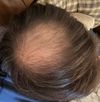
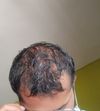
Optimal microneedling routine is 1.25mm once a week with Dr Pen 36 needles. Applying Minoxidil right after microneedling may increase systemic absorption risk.
The user is considering microneedling versus a hair transplant (HT) for crown hair loss while currently using dutasteride and oral minoxidil. They are hesitant about microneedling due to potential scarring but are open to trying it before deciding on a hair transplant.
User had minor hair transplant in 2020, used Fin since 2008, Min since 2014, and added microneedling in 2022. Routine was irregular with no severe effects.
The user asks if finasteride can be used with the topical steroid betamethasone dipropionate to reduce hair loss and scalp inflammation. The discussion revolves around combining these treatments for better results.
The user stopped oral treatments due to side effects and switched to a regimen of topical minoxidil, tretinoin, azelaic acid, and dermaneedling, with recent addition of topical finasteride. They are questioning the long-term effectiveness of non-hormonal methods and considering hair transplantation.
Mixing Nizoral and T-Gel in a 1:1 ratio and using it three times a week provided relief from persistent seborrheic dermatitis. This treatment is recommended for those with stubborn SD.
Winlevi (clascoterone) is discussed as a treatment for hormonal acne and seborrheic dermatitis due to its ability to block DHT and regulate sebum production. The post suggests that Winlevi could offer a novel approach for managing seborrheic dermatitis.
A 25-year-old is experiencing chronic telogen effluvium (TE) and androgenetic alopecia (AGA) after surgery, using finasteride, red light therapy, and supplements, and considering oral minoxidil despite heart concerns. They are unsure whether to start minoxidil before or after an upcoming surgery, which may trigger another hair shed.
The user has been using a combination of 0.3% topical finasteride, minoxidil, ketoconazole, and microneedling once a week for two months with positive results and no side effects. They apply the treatment daily using a spray and have short hair, which makes application easier.
The conversation is about using a topical hair loss treatment from eSurgery containing finasteride, minoxidil, and tretinoin. The user is seeking recommendations and experiences with this specific product.
Dermatologists often advise against at-home microneedling due to risks of scarring, infection, and improper technique. Professional guidance is recommended for safe and effective use, with some users reporting positive results when done correctly.
The conversation discusses using high molecular weight hyaluronic acid after microneedling to form a protective barrier, though it's considered expensive and offers marginal improvement. Users share experiences with different microneedling tools like derma rollers, dermastamps, and Dr. Pen, with some opting not to use any products on the scalp.
Using lice as an alternative to microneedling for hair loss treatment, with concerns about effectiveness and practicality. Some users humorously suggest genetically altering lice to produce beneficial compounds.
The user has severe diffuse thinning on the scalp and is using finasteride, topical minoxidil, dermarolling, tretinoin, and Nizoral without satisfactory results. They are considering a hair transplant but are concerned about the cost and the number of grafts needed.
The user experienced hair thinning and used microneedling, DHT blocking shampoo, and Biotin DHT blocking oil to address it, avoiding finasteride and minoxidil unless necessary later. They reported mild improvement but received mixed feedback, with some suggesting other conditions or treatments like ciclopirox shampoo.
A 35-year-old shared a 2-month update on their hair transplant of 3153 grafts, noting redness, itching, and some pimples, while using finasteride for over 12 years to maintain hair. Users discussed the effectiveness and timing of starting finasteride, with some suggesting consulting a doctor for young individuals considering the treatment.
The user treated seborrheic dermatitis and hair loss with a routine including sulfate-free tea tree oil shampoo, ketoconazole shampoo, minoxidil foam, microneedling, and supplements like Omega-3 and Vitamin-D. They experienced significant hair shedding initially but saw improvement over a year.
Increased Malassezia and Cutibacterium in the scalp microbiome are linked to higher sebum production and inflammation in androgenetic alopecia (AGA). Treatments include ciclopirox shampoo, benzoyl peroxide shampoo, clobetasol propionate, calcipotriol, minoxidil, finasteride, and dutasteride.
Microneedling is often combined with minoxidil for hair growth, but concerns about scalp damage, pain, and effectiveness deter some users. Alternatives like finasteride, dutasteride, tretinoin, and laser treatments are preferred by others.
Microneedling may risk scarring, potentially complicating future hair transplants. Alternatives like tretinoin with minoxidil are suggested for better hair growth.
The user has been using a topical solution of minoxidil 5% and finasteride 0.025% daily, along with dermastamping every two weeks and ketoconazole shampoo twice a week for four months. The treatment is for hair loss.
The conversation discusses using tretinoin for hair loss and whether applying SPF on the scalp is necessary if hair covers the treated areas. The user is considering this treatment despite having no completely bald patches.
User reports 2-month progress using Fin, Min, and microneedling for hair regrowth. Mixed opinions on results, some skeptical of fast growth, others encouraging and recommending Fin for stable results.
The conversation humorously discusses hair loss treatments, mentioning "oral miraclegro," "topical roundup," "spectracide," "Cow Dung mesotherapy," and "weekly Foot stepping sessions." The user jokingly considers switching to "weed and feed" as a treatment.
The user experienced rapid hair growth using Minoxidil, Finasteride, and microneedling, with some initial skin irritation from a retinal serum. They stopped microneedling due to limited results but may continue due to positive anecdotal evidence.