Bimatoprost 1% and 3% solutions showed better hair regrowth than minoxidil 5%. The user plans to test a homemade bimatoprost solution on their scalp and share results.
Minoxidil can cause dark, puffy undereyes. Users suggest using caffeine serum, retinol moisturizer, and Remescar eye bags cream to counteract this effect.
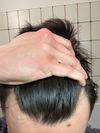
The conversation discusses a 24-year-old Korean man's progress with hair loss treatments over 8-9 months, with specific treatments not mentioned due to redacted information. Users are commenting on the effectiveness and inquiring if Asians have better results with hair loss treatments.
A 29-year-old is using liposomal topical finasteride/minoxidil and low-level light therapy (LLLT) to improve hair growth, showing significant progress in crown recovery. The user prefers liposomal topicals to avoid side effects from oral finasteride and uses the iRestore Essential device for LLLT.
Minoxidil helped with temple regrowth, and finasteride improved overall hair appearance and stopped further hair loss. Minoxidil was also applied to eyebrows and eyelids, with noticeable gains, but was stopped on the beard due to bloating.
The conversation is about experimenting with topical exosomes for hair loss treatment, alongside microneedling, Happy Head's gel-like topical, and Ordinary's hair serum. The user also mentions the availability of treatments like latanoprost and Redensyl.
A female user is seeking feedback on using topical minoxidil on eyebrows due to eyebrow loss, as oral minoxidil hasn't worked and they avoid Latisse due to potential fat loss.
User 765bonazoli asked about experiences with Minoxidilmax topical latanoprost for hair loss. No specific treatments were mentioned in the provided text.
Mixing RU58841 with cetosomal minoxidil is discussed due to scalp irritation from ethanol PG vehicles. A mixture of the two turned bright pink when left to dry.
The acne medication Winlevi, which contains Clascoterone, is available in the U.S. and may slow down hair loss until a higher concentration treatment, Breezula, is released.
After 8 months of using topical finasteride, hair miniaturization continues, raising concerns about its effectiveness. Microneedling is suggested as a possible complementary treatment.
The user shared progress after two months using a topical formulation containing Dutasteride 0.25%, Minoxidil 5%, Cetirizine 1%, Melatonin 0.5%, Caffeine 2%, and Latanoprost 0.005%. The focus is on hair loss treatment results.
A user experienced hair thinning after using Adapalene gel 1% for skin care, suspecting it contributed to hair loss alongside depression and anxiety. They stopped using Adapalene and switched to a Minoxidil/Finasteride formula, noticing hair improvement, while others in the conversation doubted Adapalene's impact on hair loss.
A 24-year-old with mild temple recession is using 5% minoxidil without noticeable effects and has started topical finasteride but is anxious about potential side effects. They are considering a specialist visit for peace of mind despite the cost.
A new company is introducing a topical treatment combining Minoxidil, Finasteride, and Bimatoprost for hair loss. Users are also inquiring about updates on a minoxidil-enhancing shampoo from Applied Biology.
A 24-year-old has been using oral finasteride and topical minoxidil for six months with minimal progress in hair regrowth, despite starting derma rolling and considering telogen effluvium as a possible cause. Suggestions include switching to oral minoxidil, adding dutasteride, and continuing microneedling for better results.
The user is using oral minoxidil for hair loss and is considering trying Latisse on their hairline. They are also curious about the effects of latanoprost, caffeine, and melatonin topicals.