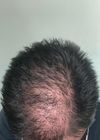
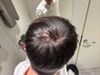
Dutasteride is preferred over finasteride for hair loss due to fewer side effects. Combining dutasteride with minoxidil and RU58841 is effective for hair regrowth, even during steroid use.
PP405 shows promise in hair regrowth, potentially outperforming existing treatments like finasteride and minoxidil, with significant results in just four weeks. The treatment is still in early stages, with further trials needed to determine its long-term effectiveness and optimal dosage.
Significant hair regrowth was achieved using 5% Minoxidil twice daily and weekly microneedling with a 0.8 mm dermaroller over five months. Finasteride was not used due to concerns about side effects and availability in France.
The conversation discusses hair regrowth progress using finasteride, with suggestions to add minoxidil and microneedling for better results. The user experienced noticeable improvement and plans to consider a hair transplant.
Many delay hair loss treatment due to lack of awareness, denial, or fear of side effects. Treatments like finasteride, minoxidil (oral and topical), and hair transplants are discussed, with mixed results and concerns about side effects.
The user is using topical minoxidil twice daily for hair regrowth and is hesitant to use finasteride due to concerns about hormonal effects. The conversation includes mixed opinions on the effectiveness of the treatment and suggestions to use a DHT blocker for better results.
Start hair loss treatments early for best results. Finasteride, Dutasteride, Minoxidil, and microneedling are commonly used, with some users experiencing side effects but often regretting delayed treatment.
The user is experiencing hair regrowth using a combination of oral finasteride, a minoxidil/finasteride topical spray, and dermarolling. They plan to continue this regimen and may consider adding dutasteride if needed.
OP underwent a hair transplant (HT) and has been using finasteride for one year. Despite having thin hair, OP is happy with the results and feels more confident.
Vitamin D deficiency is linked to hair loss, and supplementation with vitamin D can improve conditions like androgenic alopecia and telogen effluvium. Users discussed various dosages of vitamin D, emphasizing the importance of getting blood tests to determine the appropriate amount.
A user experienced no hair regrowth after using oral minoxidil, topical finasteride, minoxidil, and tretinoin, and reported side effects from oral finasteride. They are considering switching to dutasteride or using hair fibers for better results.
A 23-year-old male shared his 4-month progress using a topical spray with 0.3% Finasteride, 7% Minoxidil, 2.2% Ketoconazole, and 0.2% Biotin, along with microneedling. He noticed new hair growth on his temples and experienced initial shedding, with no significant side effects after the first month.
A user shared a 9-month hair loss treatment update using scalp micropigmentation (SMP), finasteride, minoxidil, derma pen, ketoconazole shampoo, and low-level laser therapy (LLLT), with plans for a hair transplant. Another person suggested increasing the dosage of finasteride and minoxidil and using a derma roller weekly.
The user has been using finasteride for five years and minoxidil foam for 1.5 years to combat hair loss, experiencing significant regrowth after an initial shedding phase with minoxidil. They shared progress pictures and discussed treatment experiences, including the addition of minoxidil to their regimen after noticing reduced efficacy with finasteride alone.
The conversation is about a 9-month hair regrowth progress using Dutasteride 0.5mg and Oral Minoxidil 2.5mg daily. Users commented on the improved hair quality and requested to see the hairline.
The post discusses a 21-month treatment of hair loss using Finasteride, a 13-month treatment with Minoxidil, and a 2-month treatment with Stemoxydine. Replies suggest enhancing results by adding a micro needling pen and tretinoin to the regimen, and consider Finasteride and Minoxidil as crucial treatments.
Rosemary water's effectiveness for hair growth is debated, with some users suggesting medications like minoxidil combined with tretinoin for better results. Others argue rosemary oil may work with continuous use, but evidence is questioned.
User reported initial hair regrowth with 0.25 mg finasteride taken four times a week, experiencing a second shedding phase, and no side effects. They also mentioned using RU58841 without success and plan to stop after a year.
A user shared a 1.5-year hair loss treatment progress using 1mg Finasteride and 5% Minoxidil, planning to switch to oral Minoxidil and considering adding RU58841. They saw gradual improvement, suspecting Finasteride as the main contributor since they might not respond to topical Minoxidil.
User "Shama2" shares progress with hair loss treatment using 1mg finasteride and 5% minoxidil twice a day for 2.5 months. Others advise consistency, not stopping treatment, and adding microneedling for better results.
Andreas Townsend's hair growth, likely due to a combination of finasteride and minoxidil treatments, as well as possibly a hair transplant. People have been discussing the efficacy of these treatments in achieving Townsend's level of hair growth.
TWIST-1 gene's role in hair loss and potential as a treatment target. Inhibiting TWIST-1 may prolong hair growth and reduce hair follicle sensitivity to DHT.
A person experiencing hair loss is using finasteride and considering minoxidil but is worried about side effects like heart palpitations. They seek advice on continuing minoxidil, trying alternatives like microneedling, or considering a hair transplant.
Treating hair loss with various remedies, such as Cetirizine and the Big3 complex (minoxidil, finasteride, and RU58841), which have properties like adipogenic, anti-fibrotic and anti-inflammatory. References to research studies are also included.
Androgenetic alopecia is caused by DHT affecting hair growth. Finasteride and minoxidil are used to manage hair loss by blocking DHT and promoting hair growth.
A user shared a 4-month update showing thicker and healthier hair after using finasteride and minoxidil. Advice was given on how to better track progress, especially with curly hair.
Low-Level Laser Therapy (LLLT) is seen as a safe and effective method for maintaining hair and promoting regrowth in androgenetic alopecia (AGA) and male pattern baldness (MPB), with devices like the HairMax LaserComb® and iRestore helmet being popular. Some users and professionals are skeptical about its long-term effectiveness and cost.
The user experienced severe dandruff and hair loss, trying various treatments including oils, vitamins, and minoxidil. They found success by simply dampening their scalp with water twice a day, which improved their hair's appearance and eliminated psoriasis.
Combining finasteride and dutasteride may enhance hair regrowth by targeting different enzymes, with positive results reported. Minoxidil, both oral and topical, is also used to improve effectiveness.
The user reported significant improvement in hair thickness and color in the crown area after 3 months on Dutasteride 2.5 mg and oral Minoxidil 5 mg, with temporary side effects that resolved. They switched from Finasteride to Dutasteride due to lack of results with the former.