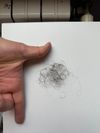
Finasteride use led to increased body hair and shedding, possibly due to Reflex Hyperandrogenicity. The user is considering trying Finasteride again and seeks advice on whether to proceed.
The user has been taking finasteride for nearly two months and has noticed an increased urge to urinate with slight discomfort. They are questioning if this side effect is temporary.
Creatine does not increase DHT levels or cause hair loss. Personal experiences vary, but scientific evidence shows no link between creatine and hair loss.
Creatine may increase DHT levels, but its impact on hair loss is unclear and not well-studied. Many users report no significant hair loss while using creatine alongside finasteride, though some experience increased shedding.
Creatine does not increase DHT levels, but some report hair loss when using it, possibly due to other factors. The effects on hair loss vary individually, with no clear connection established.
A user reported a 50% increase in testosterone after 18 months of taking dutasteride for hair loss. The conversation includes skepticism about the reliability of single testosterone tests and questions about estrogen levels.
Finasteride and minoxidil are effective for hair growth, but increasing testosterone, even naturally with ashwagandha, may increase DHT, potentially affecting hair loss if predisposed to male pattern baldness. Testosterone replacement therapy (TRT) can be beneficial for energy and muscle gain but may expedite hair loss if already prone to it.
The conversation discusses the link between increased estrogen and autoimmune diseases, with a focus on avoiding soy and milk. It also mentions treatments like Minoxidil, finasteride, and RU58841 for hair loss.
The conversation is about someone noticing increased nasal hair growth after using a combination of tretinoin and minoxidil for hair loss. They relate this effect to their grandfather's experience.
The effects of smoking cigarettes on DHT levels and its potential effect on hair loss, with some people sharing experiences in relation to their own hair loss. Various treatments for reducing or reversing hair loss were discussed, such as quitting smoking, minoxidil, finasteride and RU58841.
A user is experiencing increased hair shedding after using castor oil and rosemary oil twice a week for two months. They are concerned whether this is normal or if the castor oil's thickness is causing hair loss.
Creatine is reported to cause increased hair shedding, but there is no scientific evidence linking it to hair loss. Some users manage hair loss with finasteride and minoxidil or consider stopping creatine if shedding worsens.
The conversation is about using Tretinoin with Minoxidil for hair loss treatment, discussing the effectiveness and personal experiences with different concentrations. The image linked in the post received negative reactions for being unpleasant.
Finasteride may have positive effects by keeping testosterone levels higher, potentially maintaining youthfulness and physical performance as one ages. It could also help with conditions related to aging like andropause and sarcopenia without increasing estradiol levels.
Topical tretinoin can increase the absorption of minoxidil by three times, which may enhance its effectiveness for hair loss treatment. Tretinoin causes increased skin turnover, making the skin more permeable and potentially improving minoxidil's efficacy.
Insulin resistance may increase DHT production, contributing to hair loss, and addressing it through diet, nutrients, and natural DHT blockers like saw palmetto and pumpkin seed oil could help reverse hair loss. Some users prefer medications like finasteride for more effective results.
A Korean laser helmet increases hair growth by 44% compared to a placebo. Users discuss its cost-effectiveness, clinical support, and compare it to treatments like finasteride and minoxidil, focusing on wavelength and energy density.
A user has been using sublingual minoxidil for hair loss due to difficulty obtaining pills and is concerned about cancer risk from ethanol exposure. Other users advise against this method, suggesting topical application instead, and debate the potential risks of ingesting topical minoxidil.
CBD may increase hair counts slightly, but results are minimal without additional treatments like minoxidil or finasteride. Some users suggest combining CBD with other methods for better results.
OP wants to increase pyrilutamide concentration from 0.5% to 1% while already using finasteride. Users suggest waiting for a commercial 1% solution and caution against using grey market products.
A user is seeking advice on increasing graft survivability after a hair transplant, mentioning PRP, Mesotherapy, Stem Cell injections, and considering L-Arginine before starting Minoxidil. They are looking for ways to support blood flow before applying Minoxidil.
The conversation discusses how applying topical tretinoin for 5 days can convert 43% of individuals who initially do not respond to minoxidil into responders, enhancing the effect of minoxidil on hair growth. Specific treatments mentioned are minoxidil and tretinoin.
Finasteride and its effects on hair loss, with discussions on the role of estradiol and estrogen. Users debate whether increased estrogen from DHT blockers contributes to hair regrowth, with concerns about potential side effects like chemical castration.
Clascoterone (Breezula) shows a potential 500% increase in hair growth, possibly outperforming minoxidil and finasteride. It is in advanced trials, with hopes for FDA approval, but cost and side effects are concerns.
Finasteride users may have an increased risk of depression, anxiety, and suicidal thoughts, though some attribute these issues to hair loss itself. The link between finasteride and mental health effects is debated, with varying user experiences.
Exercise has minimal impact on hair loss, with weight lifting slightly increasing DHT and cardio potentially decreasing it. Finasteride and dutasteride are effective treatments for managing hair loss, even for those who exercise regularly.
Minoxidil can initially cause hair shedding but often leads to increased hair count over time, with some users experiencing noticeable improvements within weeks. Combining Minoxidil with Finasteride may enhance hair health, though individual results vary.
Finasteride, Minoxidil, Bioneer CosmeRNA, Technoderma, Kintor, Hope, Breezula, and Follicum treatments showed increases in hair count, with Technoderma showing the highest increase at 24.3 hairs/cm². Amplifica has not yet published results.
Increasing IGF-1 may help hair growth, but it could also increase hair loss in people with high testosterone. Treatments discussed include l-arginine, glutamine, vanadium, Deer Antler Velvet, ATP, Cocarboxylase, l-carnitine, and Mk677.