Search
for
Sort by
Community Join
30-60 / 1000+ resultscommunity From Denial to Acceptance: Hair as Amplifier, Not Foundation – Open to Hair Systems for Freedom
A 24-year-old with early hair loss is managing it with finasteride, minoxidil, and dutasteride, and is considering using a hair system for more styling options while maintaining transparency. They emphasize confidence and self-expression over hair, viewing it as an amplifier rather than a foundation.
community If fin/min and advanced treatments don’t work—would you ever consider a hair system? Or just shave it and own it?
If treatments like finasteride, minoxidil, PRP, microneedling, and exosomes fail, opinions differ on using a hair system or shaving. Some choose shaving for simplicity, while others consider hair systems despite maintenance concerns.
community Mature hairlines in general and defining them
A "mature hairline" is subjective and may not indicate future stability. Finasteride and minoxidil are suggested treatments for hair loss.
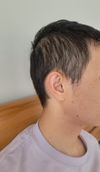
community 25M Low Density Hair, Concerned About Increased Scalp Visibility
The user is experiencing excessive hair thinning and is unsure of the cause. They are seeking opinions on treatments like Minoxidil, finasteride, and RU58841.
community Our Follicles, who art in hairven, hallowed be thy name; thy hairdom come; thy will be done; on earth as it is in hairven. Give us this day our daily regrowth. And forgive us our hat usage, as we forgive those who own hair against us. And lead us not into transplantation; but deliver us from balding
A 21-year-old with accelerated hair loss due to stress and weight loss is using minoxidil, finasteride, and microneedling to combat balding, despite experiencing a significant initial hair shed. They are committed to continuing treatment for at least three months and are considering switching to topical finasteride if necessary.
community Miniaturized hair or regrowth?
A user started finasteride a month ago and is unsure if small hairs are miniaturized or new growth. Replies include a joke and a deleted comment.
community I want to sacrifice my hair in the name of science
The conversation discusses various theories of hair loss, including DHT sensitivity and genetic factors, with the user willing to use themselves for research due to having a hair loss gene but different hair loss patterns compared to their brothers. Specific treatments were not mentioned in the provided text.
community I hate what my hair does to me!
The conversation is about a person struggling with inconsistent hair styling due to thinning hair, despite being on hair loss medications. They find that ketoconazole 2% shampoo helps, but conditioning makes their hair look worse; others suggest staying consistent with treatment and using hair fibers for events.
community If people technically have hair follicles all over their body with baby hairs, why is regrowing hair so difficult to do?
Hair loss treatments are difficult because hair follicles react differently to hormones and have varying growth cycles. Treatments mentioned include Minoxidil, finasteride, and RU58841.
community Can't tell if I'm balding, or simply inheriting my father's bizarre hairline - please let me know your thoughts [33M]
A 33-year-old man is concerned about potential hair loss, comparing his hairline to his father's and noticing increased shedding and thinning. He is considering treatments like Minoxidil and Finasteride but is unsure if he has male pattern baldness.
community Hair texture changed on fin/min
The post discusses how using finasteride and minoxidil for hair loss resulted in the user's hair changing from straight to wavy. The responses suggest this change indicates healthier, thicker hair and share similar experiences, while also expressing concerns about potential side effects of the treatments.
community "Unlimited" hair follicles for HT?
Hair loss discussion mentions Verterporfin for scar-free healing and hair follicle regeneration. Human study expected within 2 years.
community Mature Hairline or MPB?
community Odd Hair Growth (Possibly More Than Genetics?)
A 23-year-old user shares their hair regrowth journey, questioning if genetics or other factors are at play. They use Rogaine, finasteride, vitamin B12, biotin, Thera M Plus, and derma stamping, and seek advice on their regimen and hair growth patterns.
community What are the upcoming or promising future developments in hair loss?
The conversation discusses potential future hair loss treatments, including SCUBE3, hair follicle cloning, and GT20029, with mentions of past disappointments like CosmeRNA and hopes for treatments like Verteporfin for infinite donor hair.
community My hair journey as a 20+ year old with genetic hair loss and thoughts of pregnancy soon
A 28-year-old woman with genetic hair loss has tried various treatments, including oral minoxidil, finasteride, dutasteride, vitamins, ketoconazole shampoo, exosome needling, and hair extensions. She plans to pause treatments for pregnancy and is concerned about potential hair loss during that time.
community What can change hair growth length/width?
The user has been using finasteride, minoxidil, ketoconazole shampoo, needling, and experimenting with retinol cream to treat hair loss. Despite these treatments, they observe many small vellus hairs that do not grow longer.
community 25M Exploring Causes of Hair Loss: TE, Alopecia, or AGA?
The user is experiencing hair loss with possible causes including chronic telogen effluvium, diffuse alopecia areata, and androgenic alopecia. They have tried treatments like Nizoral shampoo, minoxidil, and finasteride, and are considering a biopsy for further clarity.
community I wish pp405 work and i have full head of hair in 2028-2030
People are hopeful about future hair loss treatments like PP405, GT20029, and VDPHL01, while some are currently using finasteride and minoxidil. There is skepticism about the effectiveness of new treatments, and some advise against hair transplants until more promising drugs are available.
community When will hair cloning (infinite amount of transplantable hair grafts) be available?
Hair cloning may become available in 1-2 years in Japan, but widespread availability and affordability could take 7-15 years. Current treatments like finasteride are effective but may lose effectiveness over time.
community Hair is kinking rapidly following hair loss
Hair loss has slowed, but uneven growth and kinking persist despite using keto/nizoral shampoo and clotrimazole. Stress and anxiety might be contributing factors.
community Why are the results so varied depending on WHERE you’re balding??
community IS this thinning or my hair swirl/parting?
The conversation discusses hair thinning and treatments like Minoxidil, finasteride, and RU58841. The user is concerned about distinguishing between natural hair parting and actual thinning.
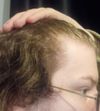
community Seeking Advice on Potential Hair Recession Over 3-4 Months
A 19-year-old is unsure if their hair is receding or just maturing and is seeking opinions before starting treatments like Minoxidil, finasteride, or RU58841. They shared recent and past photos to compare changes over a few months.
community 21 Need advice on how to about my hair!
community A man in his 80s with full head of hair.
Genetics play a major role in hair loss, with some people keeping a full head of hair into old age without using treatments like minoxidil or finasteride. Many express frustration over their own hair loss and the perceived unfairness of genetic differences.
community Progress or lack of (on Fin since 3 years)
BigLu2012 tried various hair loss treatments for 3 years, including Fin, Min, and RU, but experienced side effects and worsening hair condition. Ready-Character1581 suggested focusing on mental health and not stressing about hair, as it looks better than most.
community Hair transplants and PP405 - Irregular density concern
community Are These Long vellus Hair an Indikator for regrowth?
A user, 35M, has been using oral finasteride for 5 years and 5% minoxidil for 3 years, which stopped hair loss but didn't promote regrowth. After starting RU58841 5 months ago, they noticed long, translucent hairs and are asking if these hairs will darken and how to encourage this.