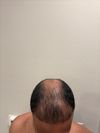
A user noticed their hair became curly after using ketoconazole shampoo and wonders if the shampoo caused the change. They like the new curls and want to maintain them.
The conversation discusses hair loss treatments, with some users advocating for finasteride and minoxidil, while others express concerns about potential side effects of finasteride. A social media influencer is criticized for promoting scalp massages and minoxidil over finasteride, which some believe is misinformation.
Low-level laser therapy (LLLT) stimulates hair growth but current devices are expensive. A proposed non-profit project aims to create affordable, 3D-printed LLLT devices and collect data on their effectiveness.
A 22-year-old male has been experiencing hair thinning since 18 and was prescribed 50mg oral spironolactone for hair loss and high blood pressure, despite inquiring about finasteride. A reply suggests that spironolactone is less effective than finasteride and minoxidil for hair loss and recommends seeking a second medical opinion.
A 21-year-old male with a thyroid condition noticed his hair thinning uniformly without a receding hairline. He is considering using a 5ARI to prevent further baldness if he starts TRT.
Follicopeptide (FOL005) by Coegin Pharma will launch as a cosmetic hair growth treatment by Q2 2025, showing similar efficacy to finasteride. Users discuss the benefits and skepticism of releasing hair loss treatments as cosmetics rather than drugs.
The user is considering a hair transplant in Greece, where the doctor uses a pen technique for natural results and charges a fair price. They are seeking opinions on the doctor's work before proceeding.
The user experienced hair regrowth after 10 months using Minoxidil, 2.5 mg Dutasteride, and 0.5 mg Finasteride. They switched from a compounded pill to Avodart capsules and plan to reassess their treatment after one year.
The user is experimenting with a mix of topical treatments, including finasteride and minoxidil, to improve hair growth, particularly at the temples and core. They are also trying various oils, despite skepticism about their effectiveness, to see if they can enhance results without causing harm.
Collagen, chondroitin sulfate, hyaluronic acid, and MSM are used to improve hair appearance, making it fuller, thicker, and shinier. The user noticed significant hair improvement after resuming these supplements.
The conversation discusses the potential benefits of adding Vitamin B6 (P-5-P) to topical hair loss treatments like RU58841, finasteride, or minoxidil. The user suggests that Vitamin B6 might enhance these treatments by naturally lowering scalp prolactin.
The post discusses skepticism about a "miracle hair cream" claiming to reverse hair loss, with the user already using finasteride, minoxidil, and dermastamping. The cream's ingredients include various oils and acids, but the user seeks confirmation of its effectiveness.
A user is skeptical about a "miracle hair cream" claiming to reverse hair loss and seeks opinions on its effectiveness. They are already using finasteride, minoxidil, and dermastamping weekly but want additional help for temple hair growth.
User shares 8-month hair transplant update with 3800 grafts, using Minoxidil and Xpecia. Others express amazement at results and discuss costs and procedures.
A breakthrough in hair follicle cultivation using induced pluripotent stem cells (iPSCs) has been achieved, producing large hair follicles suitable for transplantation. Clinical trials for this hair multiplication technology are planned in partnership with Yinguan Biotechnology.
A user shared their positive experience with a 2200 graft FUE hair transplant at DiStefano Hair Restoration in Worcester, MA, praising Dr. Heinis and his staff for their care. The user is also using oral Dutasteride, topical Minoxidil, and vitamins D and B.
The user is unhappy with the results of a FUT hair transplant from 2021, noting uneven hair texture and persistent thinning. They are considering a FUE procedure and have been using finasteride for a year, previously used minoxidil, and currently use Toppik for concealment.
A 23-year-old male has been experiencing hair loss since 2022 and has used minoxidil and dutasteride with reduced shedding but no hair regrowth. He is considering PRP with mesotherapy and red light therapy, GFC, or exosomes, with a preference for exosomes due to efficiency and a reputable clinic.
HairClone aims to rejuvenate miniaturizing hair follicles through follicle banking and cell expansion, with treatments potentially available in the UK by 2022. The process involves extracting, storing, and cloning hair follicles, but full regenerative treatments will take many years to develop.
A user shared progress pictures after their fifth hair transplant, which included 3,000 grafts from both scalp and body hair. They use topical finasteride and minoxidil, and the procedure cost $22,000 at Maxim in Austin, Texas.
The conversation discusses the use of finasteride for hair loss, with OP considering switching to dutasteride due to concerns about effectiveness. Users share experiences and concerns about side effects, including potential impacts on fertility.
Switching from finasteride to dutasteride can lead to varied results, with some experiencing better hair regrowth and fewer side effects, while others continue to lose hair. Dutasteride is generally seen as more effective but has a longer half-life, potentially extending side effects.
Oral minoxidil can cause cardiovascular issues, but an extended release formulation may reduce side effects like heart rate and blood pressure spikes. This new formulation offers a safer option for those who previously had to stop due to health concerns.
The user is experiencing hair regrowth after two months of using oral finasteride, topical minoxidil, and a derma roller. While some users note slight improvement, others suggest that more time is needed for significant results.
Doctors recommend starting with minoxidil for hair loss due to its lower risk of side effects compared to finasteride. Some believe finasteride should be used early to address the root cause, but a conservative approach is preferred by medical professionals.
A user reported that after experiencing hair thinning, they started using finasteride in 2024 and later began GHK-Cu peptide injections in March 2026, which they believe stopped their hair loss and made their hair feel thicker. The user shared their experience despite receiving criticism for not solely endorsing finasteride.
The user has been taking 0.5mg finasteride daily for 1.5 years, which has helped maintain and regrow some hair without side effects. They chose this dosage to reduce the risk of side effects and have not added minoxidil due to family heart issues and having a cat.
The conversation discusses hair loss treatments, specifically the use of finasteride and dutasteride. Users share experiences of shedding and varying effectiveness, with some suggesting adding minoxidil or a topical anti-androgen for better results.