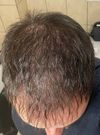
Finasteride increased the user's estrogen levels by 51%, causing concerns about gynecomastia and sleep issues. Despite potential side effects, the user prefers continuing finasteride to prevent hair loss, considering it essential for self-esteem.
The user is seeking a topical minoxidil and finasteride combination without propylene glycol due to scalp irritation. They are looking for a supplier in the US.
The user experienced hair improvement using 1mg finasteride daily for six months, managing seborrheic dermatitis with rosemary and eucalyptus oil. They are considering switching to dutasteride for potentially better results.
The user experienced persistent acne and skin issues with dutasteride, leading them to stop its use. They switched to finasteride, which caused mild acne and potential liver concerns, prompting consideration of alternative treatments like topical finasteride and GHK-Cu.
The user plans to use 1% Koshine826, 0.1% Alfatradiol, Minoxidil with Tretinoin, microneedling, and Stemoxydine for hair loss treatment. They expect significant recovery with this regimen.
The conversation discusses positive initial trial results for GT20029, a topical compound for hair loss that degrades androgen receptors, potentially requiring only weekly application. Participants express hope for this treatment to be more effective and convenient than current options like Minoxidil, Finasteride, and RU58841.
Combining Minoxidil with Finasteride or RU58841 may cause interference, irritation, or reduced absorption. It might be better to apply one topical at a time and wait an hour before applying another.
The conversation discusses Melatonin's potential benefits for AGA and a product called "Asatex" by ASATONA AG. The company was uncooperative when contacted for purchase inquiries.
P5P supplementation helped reverse finasteride side effects, particularly by lowering prolactin levels and restoring sensitivity. The user experienced significant improvement within a day and full recovery in a few days.
The user has been using topical minoxidil (5%) for two years and kx826/pyrilutamide for one year, after experiencing side effects from finasteride. They report positive results from the combination of minoxidil and kx826 in combating hair loss.
The conversation discusses the use of topical finasteride from Hasson and Wong, with claims that none of their 800 users reported side effects. The user expresses skepticism about these claims and seeks others' experiences with the treatment.
The conversation discusses using Minoxidil, finasteride, RU58841, and pyrilutamide for hair loss treatment. The user is considering adding a topical treatment and has not experienced side effects from current treatments.
The conversation discusses the variability in effectiveness of medications, including finasteride, and questions whether different manufacturers impact results. The user suggests sharing successful brands to help others identify effective options.
The user stopped finasteride while trying to conceive and switched to oral minoxidil, ketoconazole shampoo, minoxidil foam, tretinoin, and microneedling. They are considering dutasteride mesotherapy but are unsure of its safety during conception.
A user is making a homemade topical finasteride solution by dissolving crushed finasteride tablets in ethanol and PG. They are unsure if the final solution maintains the intended concentration after filtering and are considering adding more ethanol to ensure accuracy.
GT20029 is a topical treatment that degrades androgen receptors to prevent hair thinning and loss, potentially offering fewer side effects than systemic treatments like finasteride. Concerns include its impact on hair texture and potential systemic effects, with market availability speculated in 3 to 5 years.
A user wants to add cetirizine tablets to their minoxidil bottle and asks how many 10mg tablets to crush for a 100ml bottle. They seek advice on the correct dosage.
GT-20029 is discussed as a potential hair loss treatment, with concerns about its safety and systemic absorption compared to finasteride. Users express skepticism about its effectiveness and safety, noting that it may not surpass existing treatments like finasteride and minoxidil.
A pharmacy error resulted in a finasteride solution being 100 times stronger than prescribed, not 10,000 times as initially feared. OP is advised to contact the pharmacy to clarify the preparation before traveling.
Kevin Mann avoids dutasteride because it comes in gelatin capsules, which he avoids as a vegan, and he is satisfied with finasteride's results. He prefers finasteride due to more long-term research and follows the principle of "if it ain't broke, don't fix it."
The conversation is about a person considering making their own topical finasteride to avoid side effects from oral use. They discuss potential methods and ingredients, including cayenne pepper extract, rosemary, and coconut oil, and seek advice on effectiveness and alternatives like light therapy or dermarolling.
The user is using a topical solution containing 1% finasteride and 5% minoxidil for hair loss, with water, glycerin, and PEG-40 hydrogenated castor oil as carrier agents. They are questioning if these ingredients are effective carriers after using the solution for three months.
A dermatologist recommended switching from finasteride to dutasteride due to concerns about finasteride's side effects, despite the user not experiencing any. The user is considering transitioning strategies, including stopping finasteride immediately or overlapping both medications.
An individual in Italy used a fake prescription to obtain Dutasteride cheaply, suggesting others do the same to avoid high costs. They discuss the effectiveness and side effects of Dutasteride compared to Finasteride for hair loss, with some users considering switching due to better tolerance.
User experienced good results with topical finasteride, noting reduced DHT and increased testosterone. They plan to revert to a lower dosage after observing slight libido reduction.
The user is exploring alternatives to finasteride and dutasteride due to concerns about side effects, and is using rosemary and jojoba oil, ketoconazole, minoxidil, microneedling, multi-peptide serum, saw palmetto, and stinging nettle for hair loss. They are also considering CB 03 01 and spironolactone.
The conversation discusses using minoxidil foam as a solvent for topical finasteride. Ingredients of minoxidil foam include butane, cetyl alcohol, glycerin, and purified water.