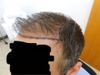
Hair loss and potential treatments, primarily focusing on Finasteride and Minoxidil. Other solutions discussed include PRP, dermarolling, LLP, and scalp tension relief.
User shared progress pictures of hair density improvement using 1mg finasteride and topical minoxidil, but expressed concern about recent hairline miniaturization and treatment effectiveness. Another user complimented the results and inquired about initial shedding.
The user achieved impressive hair regrowth using 1mg finasteride and topical minoxidil, and is now adding dutasteride due to recent diffuse thinning. They experienced initial side effects with finasteride but no longer have issues.
The user has been using Roman 3-in-1 topical treatment (finasteride 0.3%, minoxidil 6%, tretinoin 0.025%) and a 0.25 mm dermaroller for four months to address crown thinning. They are seeking advice on whether to continue with the current regimen, switch to oral finasteride, or try dutasteride for better results.
A user is using topical dutasteride, topical finasteride, and minoxidil to address a receding hairline and is seeking opinions on their routine. They report seeing vellus hair growth after nearly three months of use.
The conversation is about a user's one-year progress after a 3,200 graft FUE hair transplant and their use of oral finasteride and minoxidil. People are impressed with the results and are discussing the effectiveness and cost of the treatment.
The user started using a hair loss treatment called pyrilutamide and experienced mild chest discomfort and tightness, similar to previous side effects from RU58841. They plan to reduce the dosage due to these side effects and will provide an update on the results in 1-2 months.
A user experienced increased hair shedding and unchanged DHT levels after taking 0.25mg of finasteride for 47 days, leading them to increase the dose to 0.5mg. Others discussed varying experiences with finasteride, minoxidil, and the importance of measuring scalp DHT.
A 35-year-old who has been using topical and oral Minoxidil and Finasteride with dermarolling and Nizoral for four months, experiencing improved hair health but not yet full coverage on the crown. Others have responded encouragingly to this progress.
A hair transplant experience after 6 months, with 4100 grafts, which took 3 months to stop looking obvious and included finasteride treatment. It also discusses the differences between DHI and FUE methods.
How diffuse unpatterned alopecia (DUPA) is not an invitation to self-diagnose oneself with aggressive AGA and that seeking a specialized dermatologist may help people experiencing hair loss. Treatment options discussed include topical clobetasol propionate, oral minoxidil, and discontinuing finasteride.
The user experienced side effects from finasteride and is considering adding Alfatradiol or Fluridil to their regimen, which includes Minoxidil, dermarolling, and ketoconazole. Fluridil is noted to be more effective than Alfatradiol but less effective than finasteride, with mild side effects reported.
Using 0.25mg of finasteride daily for 7 months resulted in thicker hair and slowed hair recession without side effects. The user plans to continue this dosage and may add dermarolling or ketoconazole shampoo for maintenance.
User shared a 10-month update after a 4000-graft hair transplant, using finasteride, minoxidil, hair density shampoos, hair oils, and vitamins. Replies suggest patience as crown growth can take up to 18 months.
Topical roflumilast is effective for reducing inflammation in various scalp conditions like seborrheic dermatitis, psoriasis, and eczema, but not proven to stop scarring alopecia. Alternatives like apremilast and Vtama are also discussed for their anti-inflammatory benefits.
A 28-year-old man with hair loss is seeing regrowth in his temple area after 2 months of treatment with Dutasteride, a 1.5mm Dermaroller, topical Minoxidil, and Biotin supplements. He also notes an unexpected positive side effect of Dutasteride clearing up his light facial acne.
A user shared their 2-month progress using finasteride (1mg) daily, topical minoxidil (5%) daily, and dermarolling twice a week, noting some regrowth and satisfaction with the results. Another user complimented the progress, and the original poster detailed their dermarolling routine.
The conversation is about a user switching from finasteride to dutasteride after 4 years due to continued hair recession and miniaturization. The user plans to gradually increase to 1mg of dutasteride daily.
A person had a hair transplant using FUE with 4150 grafts after a previous FUT with 2000 grafts and is now using Dutasteride and oral Minoxidil. They are concerned about hair gaps on the side, questioning if they are a result of the transplant and if they are temporary.
A 31-year-old male considering returning to finasteride at a lower dose or using topical finasteride to assess his Norwood scale for a potential future hair transplant. He previously stopped finasteride due to side effects and has been shaving his head.
A trans woman is using 10 mg oral minoxidil, dutasteride, and estradiol for hair regrowth and is also doing dermastamping despite the pain. Users discuss the benefits of dermastamping for serum absorption and hair follicle stimulation, with some expressing surprise at the high minoxidil dosage.
A user experienced chest discomfort after taking finasteride for hair loss and is concerned about whether it is a side effect or an allergy. They are advised to consult a doctor and consider other hair loss treatments if necessary.
Dutasteride improved hair density and thickness in men who didn't respond to finasteride, with some experiencing transient sexual dysfunction. Users discussed switching from finasteride to dutasteride, noting initial shedding but eventual hair improvement.
RU58841 is discussed as a treatment that stops scalp itching when used with finasteride or dutasteride. The user is considering trying RU58841 due to persistent itching despite using the "big 3" treatments.