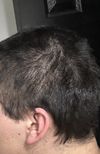
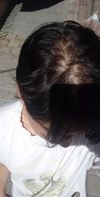
Hair loss possibly caused by a fungal infection might be treated with antifungal shampoos or oral medications. If not fungal, treatments like minoxidil or finasteride may be necessary.
Scalp massages and natural methods alone are ineffective for treating hair loss. Effective treatments include using minoxidil and finasteride, with scalp massages as a supplementary aid.
The product being promoted is likely ineffective for hair regrowth, as it lacks key ingredients like minoxidil and finasteride, and may rely on deceptive marketing tactics such as lighting tricks. Users suggest that proven treatments like minoxidil and finasteride are more reliable for hair loss.
Kintor's KX826 (pyrilutamide) is ineffective at 0.5% and overpriced at 1%, leading to user frustration and calls for fair pricing. Users suggest sticking with proven treatments like Minoxidil and Finasteride.
The user visited a trichologist due to ineffective topical finasteride treatment for hair loss. The trichologist recommended a new regimen including a two-month course of locoidon (cortisone 0.1%), followed by a solution containing minoxidil, hydrocortisone butirrate, estrone, progesterone, tocopherol acetate, trichosol, and transcutol.
A user struggled with hair loss and ineffective vitamin treatments from their doctor. They eventually obtained a finasteride prescription through a telemedicine service and felt relieved.
Ultrasound imaging can non-invasively detect active and inactive hair follicles, inflammation, and fibrosis, potentially reducing unnecessary biopsies. It may help assess hair growth potential and diagnose scalp issues, but some users believe in trying treatments regardless of ultrasound results.
The conversation concludes that the serum for hair regrowth is likely ineffective and possibly a scam. Effective treatments mentioned include minoxidil, finasteride, and dutasteride, with rosemary as a natural option.
A 22-year-old male experienced hair thinning and found minoxidil ineffective, with blood tests showing deficiencies in zinc, vitamin B12, vitamin D3, and possible hypothyroidism. Another user suggested adding topical finasteride to the regimen, which helped them regrow hair effectively without side effects.
Saw palmetto and pumpkin seed oil are generally considered ineffective for hair regrowth compared to finasteride and minoxidil. Users report that finasteride, minoxidil, and sometimes dutasteride are more reliable for maintaining and regrowing hair.
The conversation is about someone considering a hair transplant due to ineffective hair loss treatments, with suggestions ranging from trying a hairpiece to continuing with medications like finasteride and minoxidil, and waiting for new treatments. Some advise against a transplant due to the extent of hair loss and the cost, while others share different views on the effectiveness of transplants and non-surgical options.
The post criticizes a company falsely claiming finasteride and minoxidil are ineffective after 6-8 months to sell their expensive, ineffective shampoo. The recommended treatments for hair loss are finasteride, minoxidil, low dose oral minoxidil, dutasteride, microneedling, and ketoconazole shampoo.
Actifolic's RU58841 and Pyri products are perceived as ineffective, with users reporting no side effects or improvements, suggesting possible quality issues. Users recommend alternative sources and emphasize the importance of timing when using RU58841 with Minoxidil.
Hair loss treatments advertised on Instagram are likely ineffective and considered scams. Effective treatments like Minoxidil and Finasteride don't need advertising due to high demand.
The user received trichotest results indicating finasteride is ineffective for them, and they plan to use dutasteride mesotherapy and add cetirizine to minoxidil. They seek advice on incorporating dutasteride into their regimen.
Personal experience with Procyanidin B2 shows it's ineffective for hair loss. Viviscal Pro supplement tablets, containing Procyanidin B2, didn't help after 8 months of use.
The Shiseido/Replicel RCH-01 trial results were disappointing and ineffective. Users expressed skepticism and frustration, suggesting alternatives like Tsuji or simply accepting baldness.
A user experienced severe scalp itching with MPB and found Nizoral ineffective. A doctor diagnosed seborrheic eczema and prescribed Betacap, which relieved the itching.
RU58841 is used by some for hair loss when finasteride and minoxidil are ineffective. Users report mixed results, with some experiencing side effects like chest pain and mood changes.
A user shared their excitement about starting finasteride for hair loss after trying various ineffective methods. Other users discussed their experiences with finasteride, including shedding phases and side effects, with one mentioning using topical finasteride and minoxidil.
A young female diagnosed with Lichen planopilaris (LPP) experienced years of misdiagnosis and ineffective treatments, including a hair transplant and other procedures. She is considering litigation due to the misdiagnosis and has learned that LPP is chronic, hair loss can be stopped with ongoing medication, but lost hair cannot regrow.
Stem cell hair transplants use stem cells from fat tissue to reactivate inactive hair follicles, but results are inconsistent and not widely shared. Traditional treatments like finasteride and minoxidil often show better results.
After experiencing hair loss due to alopecia areata following COVID-19 vaccination and infection, the individual saw improvement with steroid treatments and Olumiant. They paused Olumiant during a second COVID-19 infection and expressed concern about potential hair loss flare-ups.
Clascoterone powder is now available, but it's expensive and not widely discussed due to past ineffective results at higher concentrations. Users are skeptical about its effectiveness and are seeking reliable sources.
PP405 is viewed skeptically, with some seeing it as overhyped and potentially ineffective compared to existing treatments like minoxidil and finasteride. While it shows some promise in activating dormant hair follicles, many believe it won't replace hair transplants or significantly outperform current options.
Counterfeit Kirkland minoxidil is being sold online, leading to ineffective hair loss treatment. Users are advised to purchase from reputable sources like Costco to avoid fake products.
Shampoos, including those with aminexil, are generally ineffective for hair loss and are considered overpriced. Minoxidil and finasteride are more effective treatments.
Neofollics lotion is discussed as a hair loss treatment, but users report it is ineffective and not supported by strong evidence. Users suggest sticking to FDA-approved treatments like Minoxidil and Finasteride.