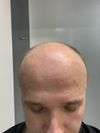
A 25-year-old male experienced significant hair loss due to telogen effluvium and androgenetic alopecia. He began using finasteride, minoxidil, and vitamins, seeing some regrowth but remains worried about hair density.
The conversation discusses the side effects of finasteride, including low libido and erectile dysfunction, and the possibility of these effects being permanent, known as post-finasteride syndrome (PFS). Some users report personal experiences with PFS and debate whether the condition is real, with varying opinions on the reversibility of side effects and the role of individual biology.
The user experienced male pattern baldness starting at 18, tried finasteride with no success, and switched to dutasteride, which halted hair loss. Minoxidil had no effect for them, while their brother, who didn't use AR inhibitors, maintained a juvenile hairline and successfully grew a beard with minoxidil, highlighting the unpredictable nature of genetics in hair loss and treatment response.
RU58841 is used without finasteride by some due to side effects, with mixed results. Users report combining RU58841 with minoxidil and adjusting finasteride doses to manage hair loss.
The post and conversation are about a 23-year-old deciding to stop using finasteride for hair loss due to potential erectile dysfunction risks, sparking a debate about the benefits and side effects of hair loss treatments.
The user is considering starting finasteride for hair loss prevention, expressing concerns about potential side effects like reduced libido and erectile dysfunction. They are currently taking saw palmetto, vitamin D, zinc, vitamin C, and biotin but are unsure if these will be effective.
Significant hair regrowth was achieved after 2.5 years of taking 1 mg finasteride daily, without using minoxidil or microneedling. Minor side effects included a slightly thinner beard and longer time to finish during sex.
A user experienced severe dry eyes as a side effect of using topical and oral Finasteride for hair loss and is seeking alternative treatments. They are considering other anti-androgens like Dutasteride, RU58841, Pyrilytamide, and Fluridil, despite mixed results and potential side effects.
A user took finasteride for hair loss 10 years ago, stopped after a month, and has since suffered from severe erectile dysfunction (ED) and other symptoms. They shared blood test results seeking advice for their condition, and others discussed similar experiences with finasteride and related drugs.
A 29-year-old woman with genetic hair loss started using 0.5 dutasteride a week ago and has noticed increased shedding, no sexual side effects, and less oily skin. She plans to provide updates and is not concerned about potential birth defects as she doesn't plan to have more children.
A 35-year-old male has been using finasteride for 2.5 years but still finds his hair loss unsatisfactory and is considering a hair transplant. He is seeking advice on the number of grafts needed and affordable options in Canada.
The user has been using Finasteride for seven months to address hair loss but hasn't seen noticeable regrowth and is experiencing brittle, thinning hair with scalp issues. They are also using Salisia and Re’equil Salicylic Acid shampoo for potential psoriasis and are seeking advice from others with similar experiences.
A user mixed a pyrilutamide solution and noticed undissolved powder at the bottom, questioning if this is normal and how long to wait before applying it. They wished others good luck with their treatments.
A 24-year-old male experiencing diffused thinning discusses his DHT levels and hair density issues. He has not used finasteride or dutasteride and is considering AR inhibitors.
Finasteride may affect liver function and cortisol levels, potentially linking it to non-alcoholic fatty liver disease (NAFLD). More research is needed to understand this connection fully.
The user is experiencing worsening hair loss despite using finasteride and oral minoxidil, and is questioning if it's a shedding phase or if the treatments are ineffective. They express regret for starting the treatments as preventative maintenance.
Follicum discovered that their drug FOL-005 increased hair count by 12 hairs per cm2 in patients with less than 255 hairs per cm2 and is planning a phase 2b trial. They are currently fundraising for the trial, and the drug may also be effective for women.
A 23-year-old male is worried about potential hair loss and is considering finasteride but is concerned about side effects. He received reassurance from a doctor that he might not be balding and plans to confirm with a specialist.
The user is struggling with hair loss despite using finasteride, minoxidil, and ketoconazole, and addressing vitamin D and ferritin deficiencies. They experienced a temporary improvement but are now shedding hair again and feeling stressed.
Discouragement regarding Pyrilutamide, a drug in development for hair loss, and the potential side effects of Finasteride. People discussed anecdotal experiences with Pyrilutamide as well as suggestions to wait out Phase 3 trials before making any conclusions.
A 24-year-old male has been using finasteride and minoxidil for a year with little hope. Suggestions include adding dutasteride, oral minoxidil, micro needling, and considering a hair transplant.
The user is considering trying finasteride again for hair loss despite past side effects like tender nipples and concerns about mental health impacts. They are advised to consult a doctor and consider topical or low-dose finasteride.
Creatine may cause hair shedding and texture changes, with mixed user experiences. Combining creatine with finasteride doesn't always prevent these effects, possibly due to individual DHT sensitivity.
The user feels insecure about hair loss and is seeking affordable solutions, as hair transplants are too expensive. They are looking for advice on treatments like Minoxidil, finasteride, or RU58841.
A user has been taking finasteride 1mg for 10 years without side effects but is concerned about high estradiol levels affecting weight loss. Another user suggests using estradiol blockers under medical supervision to manage the levels.
A 22-year-old male has been using Minoxidil for 2.5 years and Finasteride for 8 months without significant improvement in hair loss. Despite adding supplements and other treatments, hair density remains low, and he seeks advice on further options.
A user is concerned about low hair density 12 months after a hair transplant and is not using finasteride or minoxidil, only taking biotin. They are seeking advice on whether this is normal, if starting medication now would help, and when to consider a second procedure.
The user reported initial hair regrowth and improved hair quality after starting finasteride, but noticed a return of hair loss after about a year. They also experienced side effects like erectile dysfunction and watery semen, which later improved.
User tried Minoxidil and Finasteride for hair loss with no success and considers giving up. Others suggest continuing treatment, trying hair transplant, or embracing baldness.