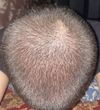
The conversation discusses potential causes of pigmentation around hair follicles, suggesting sebum buildup, autoimmune conditions, or dermatitis. Treatments mentioned include finasteride, dutasteride, and an anti-inflammatory diet, with a recommendation to consult a doctor for a proper diagnosis.
Woman with AGA uses microneedling, minoxidil, spiro, and laser for hair loss. Experiences redness and tenderness for three days after microneedling with Dermapen M8, asks if it's normal and the correct speed setting.
The user is experiencing chronic folliculitis with scalp sores and is concerned about a receding hairline. They have tried various treatments including antibiotics, Nizoral 2% shampoo, and lifestyle changes, but are seeking further advice.
Microneedling the scalp can cause sneezing, runny nose, and watery eyes due to nerve stimulation, histamine release, reflex actions, or sinus relief. Several users experience similar symptoms.
An 18-year-old noticed hair thinning at 17, started finasteride 5 months ago, and saw shedding stop but no regrowth. They suspect male pattern baldness due to family history and are concerned about thinning on the back and sides, possibly due to inflammation.
Microneedling can cause sneezing and eye tearing due to nerve stimulation, particularly near the temples and forehead. Some users find it lessens over time, while others prefer using finasteride and minoxidil for hair growth.
A 23-year-old male is experiencing diffuse hair loss and miniaturization, possibly due to high IGE levels after using tofacitinib. He seeks advice and has not yet consulted a dermatologist.
The individual has experienced a sore, stiff, and itchy scalp with hair loss for 4.5 years, and has noticed increased thinning and miniaturized hairs, especially at the temples. They have tried ketoconazole shampoo without success and are considering finasteride for treatment.
The user is considering using dutasteride or finasteride for hair loss and has recurrent folliculitis. Another user suggests treating the folliculitis and notes diffuse thinning.
A user's experience with hair loss and scalp inflammation, which was alleviated by using RU58841 along with finasteride and dutasteride. A theory of inflammation possibly being a cause of hairloss is also discussed.
The conversation is about analyzing receded temple closeups for signs of fibrosis, scarring, or androgenetic alopecia (AGA). Specific treatments like Minoxidil, finasteride, or RU58841 are not mentioned in the conversation.
Using tretinoin with minoxidil can cause burning and flaky skin due to alcohol in minoxidil and tretinoin's effects. Solutions include using minoxidil foam, starting with low tretinoin doses, moisturizing, and gradually increasing usage.
The user experienced hair loss after chikungunya and started PRF (platelet-rich fibrin) injections with injectable Dutasteride, noticing new hair growth. They are hopeful for continued improvement.
The user experienced temple recession, shedding, and acne while on 0.5mg dutasteride, 1.25mg finasteride every other day, and 5mg oral minoxidil daily. They are considering switching treatments due to worsening symptoms and are contemplating using a topical anti-androgen like RU58841.
The user is allergic to minoxidil and experienced severe itching and redness. They are considering alternatives like finasteride, dutasteride, and dermarolling for hair loss treatment.
A user solved their 15-year scalp inflammation and related hair loss using Selenium Sulfide shampoo (Selsun Blue), noticing improvement after the first use and resolution after three uses. Others found relief with Ketoconazole shampoo, which also helps with hair loss.
The conversation discusses using cetirizine (Zyrtec) topically to relieve scalp itch associated with hair loss and suggests it may also benefit androgenetic alopecia (AGA). One person found relief from scalp itch after three months on finasteride, noting the itch was linked to areas where hair was lost.
Anti-inflammatories like curcumin, quercetin, and vitamin E may help with hair loss when used alongside treatments like finasteride and dutasteride. Ketoconazole is also noted for reducing scalp inflammation and improving scalp health.
This post and conversation are about the molecular mechanisms triggered by microneedling, specifically its effects on inflammation, tissue remodeling, epithelial proliferation, differentiation, and collagen synthesis. The discussion highlights the potential benefits of microneedling for hair loss treatment.
The user switched from topical to oral finasteride and minoxidil for hair loss and experienced swelling and sensitivity in the left chest area. They are concerned about these symptoms but noticed improvement after skipping a dose.
A user was prescribed betamethasone dipropionate spray for a receding hairline, which caused skin peeling and depigmentation. They stopped using it and are considering alternatives like BPC-157/TB-500 for healing.
Switching from liquid to foam minoxidil led to hair loss for OP, possibly due to a second shedding cycle. OP experienced allergic reactions to propylene glycol in the liquid form, causing dandruff and itchiness, which improved after switching to foam.
The conversation is about managing scalp irritation caused by minoxidil use. Suggestions include switching to foam, using fluocinonide topical solution, trying lipogaine for sensitive skin, and considering low-dose oral minoxidil.
The conversation discusses a hair loss and scalp care routine involving ciclopirox shampoo, benzoyl peroxide, clindamycin gel, clobetasol propionate, and calcipotriol to manage seborrheic dermatitis, folliculitis, and inflammation. It also touches on the role of diet and other treatments like oral minoxidil and pioglitazone for scalp health.
Fluridil degrades androgen receptors, which are prevalent in the scalp and other tissues. People with androgenetic alopecia (AGA) may have higher expression of these receptors and 5AR activity in affected scalp areas.
A user with seborrheic dermatitis and traction alopecia is seeking alternatives to minoxidil for hair loss, considering rosemary oil for its anti-inflammatory properties. They express concerns about potential side effects and effectiveness of various treatments, including rosemary oil, caffeine, and Redensyl.
A young female diagnosed with Lichen planopilaris (LPP) experienced years of misdiagnosis and ineffective treatments, including a hair transplant and other procedures. She is considering litigation due to the misdiagnosis and has learned that LPP is chronic, hair loss can be stopped with ongoing medication, but lost hair cannot regrow.
Scalp irritation from homemade topical finasteride may be caused by isopropyl alcohol. Alternatives suggested include using ethanol or everclear with distilled water.