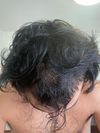
User taking 1mg finasteride daily for 2 years, wants to block more scalp DHT. Seeks reference for additional topical DHT blockers like alfatradiol and fluridil.
Hair loss treatments discussed include alfatradiol, big 3, finasteride, RU58841, and stemoxydine. Alfatradiol is less effective but has fewer side effects, and mixing with stemoxydine may improve results.
A 22-year-old experienced significant hair loss due to high stress, SSRI side effects, and AndrogenicAlopecia, and has seen some regrowth after starting finasteride and using ketoconazole shampoo. They are inquiring if continued use of finasteride and stress reduction alone can lead to further hair regrowth.
The conversation is about concerns regarding starting finasteride for AGA, with a preference for topical finasteride due to worries about oral side effects. The user is considering adding oral minoxidil later due to an allergy to topical minoxidil.
Hair loss treatments like finasteride and dutasteride are discussed, with concerns about side effects such as depression and brain fog. Some users argue about the necessity and impact of DHT on libido and other bodily functions.
A 43-year-old noticed significant hair thinning and is using topical minoxidil, dermarolling, Alpecin, biotin, zinc, copper, vitamin D, and rosemary oil. They plan to see an endocrinologist and have blood tests scheduled to investigate further.
Spironolactone can remain effective for a long time in treating androgeneticalopecia, but it may not completely stop hair loss. Hair loss treatments like spironolactone, finasteride, and dutasteride slow down hair loss rather than cure it, and their effectiveness can vary based on individual response and the aggressiveness of the condition.
A user who has tried multiple treatments for hair loss, including oral and topical finasteride and liposomal finasteride, but experienced severe side effects in each case; the user is considering trying RU58841 or aromatise inhibitors as alternatives.
A 35-year-old male uses topical minoxidil, spironolactone, and microneedling for hair loss, with spironolactone prescribed based on a DNA test indicating poor response to finasteride and dutasteride. Despite concerns about the test's validity and spironolactone's side effects, he reports stable or improved hair condition and no low testosterone symptoms.
The conversation discusses treatments for scalp inflammation, suggesting options like scalp massage, changing shampoos, using aloe vera, Tgel, nizoral shampoo, topical cetirizine, and consulting a dermatologist. Finasteride was mentioned as helpful for reducing inflammation, but with side effects.
A 22-year-old male experiencing hair thinning has been using topical finasteride and minoxidil since September 2024, with improvement except in the frontal/middle scalp area. He seeks advice on additional treatments and has started scalp massages.
A 22-year-old male with hair loss is considering treatments like finasteride, minoxidil, and derma rolling after being diagnosed with MPB, vitamin D deficiency, and dandruff. He seeks advice on whether these treatments can realistically improve his hair density and achieve a healthier NW2.
The conversation is about a user's progress in treating diffuse hair thinning using a topical regimen including finasteride, minoxidil, ketoconazole, microneedling, saw palmetto, collagen, and vitamins, along with lifestyle changes. The user plans to switch from topical to oral finasteride for potentially better results.
A 21-year-old male experiencing hair loss again despite using topical minoxidil (5%) for a year, possibly due to stress-related telogen effluvium. He is advised to continue using minoxidil and consider stress-reduction strategies while consulting a doctor for further evaluation.
The conversation is about the struggles of dealing with diffuse thinning at a young age and the lack of significant improvement after using treatments like finasteride and minoxidil. Some suggest additional methods like derma rolling, microneedling, and hair fibers, while others share their own experiences and encourage persistence with treatment.
The user experienced hair thinning from chromium and alpha lipoic acid supplements, which stopped after discontinuing them. Someone mentioned this could be telogen effluvium, a temporary condition.
The user is concerned about hair loss despite taking finasteride and has a hair transplant scheduled. They experience scalp itching and burning, which hasn't been relieved by various treatments, and another user suggests using ghk-cu & ahk-cu serum and Koshine kx-826/pyrilutamide for relief.
A 29-year-old male experiencing hair loss due to TRT is using minoxidil and dermarolling but is hesitant to use finasteride or dutasteride due to potential side effects. He is considering low level laser therapy (LLLT), PRP, ketoconazole shampoo, and oral minoxidil as additional treatments. A reply suggests that without a DHT blocker like finasteride or dutasteride, other treatments may not be effective long-term.
A user experiencing hair loss despite using finasteride, minoxidil, and tretinoin. They're considering trying dutasteride or shaving their head if the situation doesn't improve.
Fluridil, a non-steroidal anti-androgen approved for alopecia in parts of Europe, is noted for its low side effects but is not commonly discussed. The user is inquiring if anyone prefers it over other anti-androgens like Spiro or RU58841.
Many users experienced increased diffuse thinning after starting finasteride, with some switching to dutasteride or adding minoxidil in hopes of improvement. Thyroid issues and low ferritin levels were also discussed as potential factors affecting hair loss.
A 16-year-old girl is experiencing hair loss, which has worsened despite using minoxidil and multivitamins. Suggestions include broader hormone testing and considering other treatments like spironolactone if the hair loss is due to androgenicalopecia.
GT20026 is discussed as a potential treatment for hair loss that targets androgen receptors without affecting hormone levels, but it may not promote significant regrowth. It is expected to be available by 2028, with other treatments like Breezula and Clascoterone also mentioned.
An 18-year-old woman experiencing hair loss due to stress, possible PCOS, and low vitamin D is concerned about starting 5% minoxidil foam, prescribed by her doctor, due to potential facial hair growth. She is also using a topical steroid for scalp sensitivity and pain.
A user is trying Ayurvedic remedies for male pattern baldness, including onion juice, curry leaves, aloe vera, and a prepared oil mix. They plan to switch to minoxidil, finasteride, and PRP treatment if no improvement is seen in four months.
A 21-year-old experiencing aggressive hair shedding is considering treatments like Propecia (finasteride) and Rogaine (minoxidil) to slow or stop hair loss. Recommendations include using these treatments along with Nizoral Shampoo, hair vitamins, and a derma roller to maintain and potentially regrow hair.
The user has high free testosterone and is still experiencing hair loss despite taking dutasteride and oral minoxidil for over three years. They are considering adding a topical anti-androgen like RU58841.
The user has been experiencing sudden and aggressive hair shedding despite using oral dutasteride and topical minoxidil for six years, and recently added topical finasteride without improvement. Possible causes discussed include stress-related hair loss, dietary changes, or high DHT sensitivity, with suggestions to consult a doctor and consider adjusting treatments.
The user experiencing diffuse hair loss is using various treatments including RU58841, finasteride, minoxidil with tretinoin, anti-hair loss shampoo, and microneedling, and is considering adding peptides TB500, BPC157, and GHK-Cu. They have low growth hormone levels and are questioning its impact on hair loss, while another user suggests androgenicalopecia and androgens are likely the main cause of hair loss.