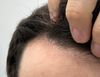
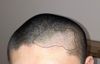
Microneedling once a week at 1mm caused bumps, possibly scars, in the treated area. The user is considering cleaning the skin before microneedling to prevent this issue.
User experienced good results with topical finasteride, noting reduced DHT and increased testosterone. They plan to revert to a lower dosage after observing slight libido reduction.
Excessive scalp sebum, worsened by DHT, can lead to inflammation and hair loss, with clascoterone mentioned as a treatment. Diet changes seem ineffective for scalp sebum, and treatments like minoxidil and finasteride are suggested.
GHK-Cu is a potent inhibitor of the type 1 5-alpha reductase enzyme in hair follicles, which may reduce hair loss without the side effects associated with type 2 5-alpha reductase inhibitors. The user previously experienced side effects with 5-alpha reductase inhibitors and is considering GHK-Cu as an alternative.
Folligenz liposomal minoxidil sulfate is being discussed for its effectiveness and cost, with users comparing it to regular minoxidil and tretinoin. One user found no difference with the 10% version and noted that a lower tretinoin percentage reduced side effects like skin peeling.
The conversation is about using a DIY topical Cetirizine 1% solution with microneedling for hair loss treatment. Concerns were raised about potential side effects and the effectiveness of Cetirizine for this purpose.
The conversation is a satirical expression of frustration over hair loss, mentioning treatments like spironolactone, microneedling, and topical applications, with references to various hair loss products and personalities in the community.
The user used microneedling, zinc, vitamin D3, biotin, magnesium, saw palmetto, pumpkin seed oil, and a DHT-blocker shampoo with biotin for hair loss. They are considering adding minoxidil due to stagnation in progress.
The user added P5P (vitamin B6) to their shampoo to reduce scalp itch, which improved significantly. They have been using finasteride for hair loss but are exploring additional treatments like topical antiandrogens and prolactin inhibitors.
The user is experiencing one-sided diffuse thinning and has been using finasteride and liquid minoxidil for 4-5 years with minimal results. They are considering whether to save for a hair transplant or address scalp sensitivity and irritation first.
The conversation is about sourcing raw ingredients like finasteride, dutasteride, minoxidil, and tretinoin for making hair loss topicals. A suggestion is made to check Anagen Inc. for these ingredients or contact local suppliers for bulk purchases.
An 18-year-old experiencing hair loss and seborrheic dermatitis has tried finasteride, dutasteride, and various shampoos without success. They are considering anti-androgens like RU58841 and KX-826 for oil control and dandruff reduction.
The post is about a user's progress with using minoxidil and finasteride for hair loss. One user suggests that dermarolling may also be contributing to the positive results.
The conversation discusses improvements to a platform and mentions hair loss treatments including Minoxidil, finasteride, RU58841, and melatonin. It also highlights the addition of features like Google login, reply by email, keyword extraction, and a term glossary for better understanding of hair-related terminologies.
High estradiol levels may contribute to erectile dysfunction (ED) and can be addressed with lifestyle changes or medication. It's important to consult a medical professional for treatment options.
A user is considering a topical hair loss treatment containing Minoxidil, Finasteride, and other ingredients. Some users suggest the doses are high and recommend starting with lower percentages.
Balding scalps have more androgen receptors, leading to increased TGF-beta, which causes blood vessel loss and hair follicle miniaturization. Blocking androgen signaling and TGF-beta may help prevent hair loss.
A user experienced increased estradiol, nipple tenderness, and ED after taking finasteride. They are considering dose reduction to mitigate these effects.
Osteopontin, a protein involved in hair growth on moles, may help with hair loss. However, it is also linked to Alzheimer's, cancer, and bone development, so caution is advised.
A user experienced severe chest pains and shortness of breath after using RU58841 for hair loss and was advised by a doctor that blocking androgens can weaken the heart. They decided to continue with finasteride, minoxidil, and a hair transplant instead.
The user is experiencing significant hair thinning on the front scalp while taking oral finasteride and minoxidil. They are unsure if it's androgenetic alopecia or related to seborrheic dermatitis.
A user is concerned about starting finasteride due to negative reports and potential side effects. Other users suggest talking to a doctor, considering personal tolerance, and note that side effects are rare.
The conversation discusses skepticism about the effectiveness of scalp tension theory and scalp massagers for hair regrowth, contrasting it with treatments like finasteride and minoxidil, which have more user-reported results. Participants question the belief in scalp tension theory, suggesting it may be a marketing tactic, while others argue for a multifactorial approach to hair loss.
Avoid home-compounding topical minoxidil due to potential risks and complications. Use proper equipment and techniques to prevent aerosolization and ensure effective dissolution.
The user experienced sensitivity and side effects from finasteride and Saw Palmetto, leading to swollen and sensitive breasts, and decided to stop finasteride after two weeks. They are now trying Saw Palmetto, Biotin, and Ashwagandha, while others in the conversation discuss their own experiences with hair loss treatments like minoxidil and finasteride.