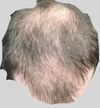
A male in his early 20s with CCCA (scarring alopecia) started treatment with Finasteride, Fluocinolone, and Doxycycline. Steroid injections were suggested but not yet done.
The user suspects scarring alopecia and is exploring NSAIDs and turmeric/pepper for inflammation-related hair loss, having experienced burning and thinning with finasteride and testosterone reduction. They are seeking feedback while unable to afford a dermatologist.
The conversation discusses using Cedarwood, Rosemary, and Lavender essential oils for hair growth and preventing hair loss. The user plans to apply Cedarwood oil daily.
Scalp inflammation may contribute to hair thinning, with treatments like ketoconazole shampoo potentially helping by reducing inflammation. Some users report that DHT blockers and other treatments like finasteride, minoxidil, and RU58841 can alleviate symptoms associated with inflammation.
The user is treating alopecia areata with 1.25mg oral minoxidil daily and topical mometasone furoate, considering increasing the dose or adding finasteride, though finasteride is not typically used for this condition. A gluten-free diet is suggested, and alternatives like Olumiant are mentioned.
The user has been using oral finasteride and minoxidil for hair loss but is considering switching back to topical minoxidil due to persistent scalp issues. Another user suggests an anti-inflammation regimen and oral dutasteride.
Men with hair loss might have lichen planopilaris (LPP), which can mimic androgenetic alopecia, leading to misdiagnosis and ineffective treatment with finasteride or dutasteride. Proper diagnosis, including biopsies, is crucial to distinguish between androgenetic alopecia and conditions like LPP.
Betnovate and mometasone furoate were tried for scalp issues, but Zoryve and Selsun shampoo were recommended for relief. Itraconazole was suggested for stronger treatment if topicals fail.
A user diagnosed with Crohn's disease is concerned it might contribute to balding. They have been using keto shampoo, finasteride, and oral minoxidil, which improved their hair but not significantly.
The conversation is about a user trying a new hair loss treatment, Ruxolitinib, alongside their existing regimen of finasteride, minoxidil, ketoconazole shampoo, and microneedling. They plan to apply Ruxolitinib to their temples daily for 1-2 months.
The user is trying a new hair loss treatment combining 1.25 mg oral minoxidil with a daily topical solution containing hydrocortisone, tretinoin, 8% minoxidil, and 0.025% finasteride. They aim to maintain their current hair before considering a hair transplant in Istanbul.
The conversation is about using topical cetirizine for hair loss treatment. The user mixes Aller-TEC tablets with a hair tonic but faces issues with the solution's consistency.
Akkermansia bacteria can improve hair growth inhibited by testosterone, and metformin may increase Akkermansia, which could help with hair loss related to aging, insulin resistance, and inflammation.
User experienced scalp itching and hair loss, but found relief with oral minoxidil. Others suggest "DHT itch" as a possible cause and recommend finasteride and ketoconazole to address it.
A user shared their natural hair regrowth routine that includes using a peppermint oil and coffee shampoo, applying liquid silica, taking vitamin D and magnesium supplements, exercising regularly, and maintaining a healthy diet. They believe this routine has stopped their hair loss and improved hair thickness without using pharmaceuticals.
Anti-inflammatories like curcumin, quercetin, and vitamin E may help with hair loss when used alongside treatments like finasteride and dutasteride. Ketoconazole is also noted for reducing scalp inflammation and improving scalp health.
The user has been on 1.2 mg finasteride for 1.5 years with minimal results and recently switched to dutasteride. Suggestions include adding minoxidil, derma rolling, and considering dietary changes to improve hair health.
PUFA foods like salmon and walnuts are healthy and do not accelerate hair loss. There is no evidence linking PUFAs to hair loss, and claims suggesting otherwise lack scientific support.
The user is experiencing ongoing hair loss despite using treatments like topical and oral finasteride, dutasteride, oral minoxidil, and RU58841. They are advised to consider a scalp biopsy and blood tests to determine the underlying cause, as their hair loss may not be related to DHT.
Hair loss may be linked to DHT, which can both suppress and increase inflammation, potentially as a defense mechanism. Treatments like Minoxidil, Finasteride, and RU58841 are discussed, but the exact cause of hair loss remains unclear.
A 22-year-old has been using minoxidil and finasteride for four years with limited success and recently added microneedling to their regimen. They have seen some hair regrowth and are advised to continue using minoxidil alongside microneedling and consider lifestyle factors like diet and stress.
The conversation discusses hair loss treatments without using Minoxidil, Finasteride, or Dutasteride, focusing on addressing hormonal issues and low ferritin levels. Suggestions include consulting a hematologist, checking for vitamin D deficiency, thyroid issues, anemia, and considering serums with copper peptides.
The user shared their 10-year hair loss journey, discussing treatments like oral minoxidil, oral finasteride, and LLLT, and ultimately deciding on a hair transplant. They also explored the possibility of having alopecia areata incognita and advised seeking multiple opinions before surgery.
A 24-year-old is struggling with hair loss despite using treatments like dutasteride, oral minoxidil, RU58841, and considering a hair transplant. They are advised to continue medication, possibly increase dosages, and explore additional treatments like tretinoin and tacrolimus.
The conversation is about a user experiencing a tingling sensation and redness on their scalp, possibly related to hair loss treatments. Suggestions include using Nizoral shampoo and consulting a dermatologist, while the user mentions using oral finasteride.
The conversation discusses the steps for microneedling, specifically differentiating between medical needling (0.5-1.5mm) and cosmetic needling (0.3mm). It emphasizes the importance of cleaning and disinfecting before microneedling, regardless of needle length.
Fit individuals often have full heads of hair, possibly due to lifestyle factors like exercise and diet, while those who are less fit tend to experience more hair loss. Some fit individuals may also use treatments like finasteride and minoxidil to maintain their hair.
Finasteride stopped scalp itching and improved hair health, likely due to reduced DHT. Users discussed the relationship between DHT, itching, and hair loss, with some mentioning minoxidil and antifungal treatments like ketoconazole.