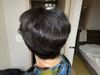
Minoxidil use may worsen seborrheic dermatitis, causing itching and dandruff. Users consider stopping minoxidil or switching to foam to improve scalp condition.
User tried microneedling with min and fin for hair loss, experienced inflamed scalp and dandruff. Recommends proper disinfection of microneedler to avoid issues.
A 29-year-old with hair loss (NW 3) uses microneedling, oral minoxidil, and ketoconazole shampoo. They are considering topical dutasteride after limited success with current treatments and are questioning why it's not more widely discussed.
The conversation discusses hair loss treatments for a woman experiencing androgenetic alopecia and seborrheic dermatitis, with suggestions including low-dose oral minoxidil, dutasteride, and hormone replacement therapy. The user is seeking advice due to intolerance to spironolactone and topical minoxidil, and concerns about low testosterone and DHT levels.
21-year-old female experiencing hair loss and visible scalp seeks advice on PRP effectiveness. Currently taking spironolactone and krimson for high androgens, unsure if PRP can be done with these medications.
The user is experiencing aggressive hair loss since their teens and has tried finasteride, topical minoxidil, dutasteride, and oral minoxidil without success in halting the hair loss. They are seeking advice on how to stop it.
The conversation discusses using a TCA 35% chemical peel on the scalp to potentially improve hair growth by addressing fibrosis and enhancing the effectiveness of topical treatments. The user also mentions trying microneedling and other methods like topical metformin and dutasteride for hair regrowth.
PP405 may induce new hair growth but cannot revive completely dead follicles, and its effectiveness on hairlines is uncertain. It is expected to be available by mid-2028, but users are advised to manage expectations and consider using other treatments like minoxidil and finasteride.
The user experienced significant hair thinning despite using finasteride and minoxidil, leading to concerns about whether it's a temporary shed or a more serious issue. They plan to start using RU58841 and are advised to consult a doctor to rule out other causes like autoimmune disorders.
The user experienced hairline recession despite using topical finasteride/minoxidil and is considering whether misapplication was the cause. They are exploring options after experiencing side effects from oral finasteride, including possibly returning to the topical formulation with adjusted application methods.
Psoriasis shampoo with salicylic acid can improve scalp health and hair quality better than Nizoral. It helps create a cleaner environment for hair growth, especially when using treatments like finasteride.
The user is experiencing aggressive hair loss and is using minoxidil, microneedling, biotin, and vitamin D. They are considering finasteride or dutasteride and plan to consult a dermatologist for the best treatment.
A 42-year-old is using a topical solution with 5% minoxidil and 0.1% finasteride, along with weekly microneedling, for hair regrowth without side effects. The product used is Tugain for men by Cipla, an Indian brand.
The conversation discusses skepticism about the effectiveness of scalp tension theory and scalp massagers for hair regrowth, contrasting it with treatments like finasteride and minoxidil, which have more user-reported results. Participants question the belief in scalp tension theory, suggesting it may be a marketing tactic, while others argue for a multifactorial approach to hair loss.
Hair loss is linked to DHT, with treatments like finasteride and minoxidil being common but not definitive. Economic interests influence research, and there is potential for new treatments like PP405 and RU58841.
The user is using minoxidil, finasteride, Nizoral 2%, and microneedling for hair loss but finds Nizoral drying. They seek affordable shampoo and conditioner recommendations, with one reply suggesting baby shampoo for non-Nizoral days.
Topical antihistamine creams, like diphenhydramine, are being considered for scalp inflammation and itchiness as an adjunct to standard hair loss treatments like minoxidil and finasteride. The user is cautious about oral antihistamines due to potential side effects and is exploring topical options.
The user shared their hair regrowth progress using a combination of treatments including finasteride, dutasteride, minoxidil, tretinoin, Sulfogenz, KX-826, low-level laser therapy, and microneedling. They plan to continue medication for another year before considering a hair transplant, noting steady improvement but not major changes.
The user is using topical minoxidil and oral finasteride for hair regrowth, with plans for a future hair transplant. They are considering additional treatments like dermastamping and exploring options for dutasteride, which is unavailable in their country.
Scalp tension may contribute to hair loss by increasing DHT levels, with potential solutions like scalp massages and Botox. Concerns about finasteride's side effects were discussed, and some users shared personal experiences with alternative treatments like scalp massaging and Botox.
A 26-year-old man from France started experiencing hair loss in September 2020 and began using finasteride in June 2021, reporting some improvement after three months without side effects. He plans to continue finasteride for a year before considering additional treatments like minoxidil or dermarolling.
A female user is experiencing heavy hair shedding and receding temples, possibly due to low ferritin levels. She is using oral minoxidil, iron supplements, and ketoconazole shampoo, and is hesitant to start spironolactone.
A 21-year-old with a family history of early balding is advised to see a dermatologist to confirm androgenetic alopecia (AGA) and consider treatments like finasteride or dutasteride to prevent further hair loss, and minoxidil, possibly with tretinoin, to regrow hair. Caution is advised with oral minoxidil, and a cardiologist should be consulted before use.
A 20-year-old is using minoxidil, finasteride, tretinoin cream, and microneedling for hair loss but sees no improvement in the crown area and is considering a hair transplant. Users advise patience with finasteride and suggest trying a low-dose oral minoxidil if no progress is seen.
The user is experiencing hair loss despite using finasteride and Rogaine, with conflicting diagnoses from different hospitals. One suggests no hair loss, while another recommends continuing medication; a suggestion to see a dermatologist for proper assessment is given.
Early hair loss causes emotional distress, and common coping strategies like fitness and fashion are inadequate. Treatments like finasteride, minoxidil, dutasteride, hair systems, and scalp micropigmentation were tried but were unsatisfactory.
A user is experiencing significant hair loss and stress, seeking advice on treatments. They are using Pura d'or shampoo and conditioner, biotin, and considering other options but are hesitant about treatments like Minoxidil due to the need for continuous use.
Minoxidil and finasteride have improved hair thickness and density, but temple areas remain stubborn. Continued use is recommended, with suggestions for topical minoxidil, microneedling, or considering a hair transplant for further improvement.
The user has been using a strong combination of hair loss treatments for 16 months, including Finasteride, Minoxidil, Dutasteride, and RU-58841, but their hair loss has worsened. They're questioning whether their high testosterone levels or residual scalp DHT are causing further hair loss, with a reply suggesting that even small amounts of DHT can cause hair loss if one is sensitive to it.
The conversation is about a user experiencing a tingling sensation and redness on their scalp, possibly related to hair loss treatments. Suggestions include using Nizoral shampoo and consulting a dermatologist, while the user mentions using oral finasteride.