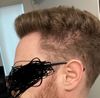
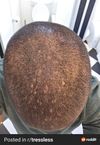
A user shared their experience with a beard-to-scalp hair transplant, noting no visible scars and improved hair density using finasteride and minoxidil. The conversation discusses the differences between beard and scalp hair, potential changes in hair texture, and the use of beard hair for increased scalp coverage.
A user suggests that deeper microneedling with Verteporfin injections might help regrow hair in areas with scar tissue, alongside a DHT blocker. Another user explains that hair loss might be due to reduced Wnt/β-Catenin signaling and suggests that treatments like Minoxidil, Finasteride, and microneedling could potentially reverse it.
Hair loss can begin in early adolescence and cause mental anguish. Treatments mentioned include eating cruciferous vegetables, engaging in physical activity, and maintaining scalp hygiene.
A 34-year-old male is experiencing hair loss on the sides of his head, with inflammation and itchiness, while the top remains thick. He is using topical dutasteride and keto shampoo to address the issue.
A user with seborrheic dermatitis is experiencing bald spots and hair thinning despite changing their diet and taking oral minoxidil. Another user suggests using ketoconazole shampoo properly, using a scalp massager, applying rosemary/peppermint oil, keeping hair short, and taking fish oil to improve scalp health.
Scalp sunburns can cause permanent hair loss, so wearing UPF hats is essential. Tretinoin and Tacrolimus users should be cautious of increased photosensitivity and potential scalp issues.
The user is using topical finasteride, Bioscalin, Omega 3, and hair filler therapy for hair loss. There is some progress noted, but varying photo angles and lighting make it hard to assess fully.
The user is experiencing scalp irritation from using tretinoin and alcohol-based hair loss treatments like stemoxydine. They find that Aquaphor helps with the pain but is difficult to apply in hairy areas.
A user with alopecia totalis, borderline universalis, seeks advice on getting into a Xeljanz trial or appealing insurance for coverage. They experienced significant hair regrowth but are now seeing hair loss again and want to try Xeljanz.
Corticosterone inhibits GAS6, affecting hair follicle stem-cell activity, with potential implications for stress-related hair loss. Ashwagandha and Vitamin K are suggested for reducing cortisol, but their effectiveness is debated.
Carnosic acid in rosemary extract may enhance skin repair and promote hair follicle regeneration. It could be used alone or with verteporfin for scarless healing after dermal wounding.
Onion juice, when applied topically, is an effective treatment for Alopecia Areata, showing significant hair regrowth in both males and females. The study suggests it could be interesting to test its effectiveness on Androgenic Alopecia.
A user experienced hair thinning due to traction alopecia from using Murray's Beeswax and is considering treatments like minoxidil and finasteride to reverse the damage. Another user suggests consulting a hair specialist, as the hair may not regrow if scar tissue has formed.
A user diagnosed with Crohn's disease is concerned it might contribute to balding. They have been using keto shampoo, finasteride, and oral minoxidil, which improved their hair but not significantly.
The user noticed small circular hairless spots after a buzz cut and has been using finasteride, dutasteride, and oral minoxidil for hair loss. They are experiencing continuous shedding and thinning, and it is suggested they consult a dermatologist for a scalp examination and possible biopsy to determine if it's alopecia areata or androgenetic alopecia.
The user experienced increased hair loss and scalp itchiness despite using finasteride and plans to resume minoxidil and start microneedling. They are considering using clay, Aveda thickening tonic, and a beanie to manage the appearance of thinning hair.
Excess sebum rich in cholesterol and triglycerides can lead to hair loss through inflammation, with treatments like Ciclopirox shampoo, Benzoyl Peroxide shampoo, and Clindamycin gel recommended for managing conditions like seborrheic dermatitis and folliculitis. Pioglitazone is suggested for Lichen Planopilaris, while Omega-3s and reducing processed foods may improve sebum quality, though genetic factors play a significant role.
The user discusses their experience with diffuse unpatterned alopecia and acquired progressive hair kinkering, noting improvements with treatments including biotin, pantothenic acid, finasteride, ketoconazole, and zinc pyrithione shampoo. They report thicker, healthier hair and improved scalp condition, attributing success mainly to biotin, pantothenic acid, and finasteride.
A 25-year-old male with androgenetic alopecia experienced improved hair condition after using finasteride, oral minoxidil, and dutasteride, but later faced diffuse thinning and texture deterioration after a shedding phase. Others suggest patience, continued treatment, and using ketoconazole shampoo, with some sharing similar experiences of post-shed thinning.
A 32-year-old male with diffuse thinning and seborrheic dermatitis has been using finasteride for 8 months without improvement. He is considering COQ10 + PQQ supplements for scalp inflammation and hair loss.
Scalp inflammation can cause hair thinning and may be related to diet, infections, or conditions like psoriasis. Treatments suggested include using Nizoral shampoo and checking vitamin levels.
User experienced hair loss due to anorexia and stress, leading to a difficult journey with wigs and self-esteem. Hair regrowth occurred with spironolactone, but recent hair loss returned, causing uncertainty and emotional struggles.
A 12-year-old diagnosed with alopecia shares their experience and current treatments, including Dermovate, an unnamed cream, and liquid iron. The community offers support and encouragement.
A user's transformation from an accountant to a spartan with a full beard, discussing the potential of DUPA and alopecia areata, as well as treatments like vitamins, topicals, and natural treatments for potential regrowth.
A user is experiencing significant hair loss and scalp issues despite using Minoxidil, finasteride, and RU58841 since 2017. They switched to oral Minoxidil and are now on isotretinoin and topical corticosteroids for seborrheic dermatitis but continue to lose hair and seek advice on whether inflammation or treatment changes are the cause.
Sulfur soap may help with hair thickening and reducing scalp inflammation, but it can cause dryness. Nizoral, containing ketoconazole, is noted for its potential to reduce seborrheic dermatitis but may also cause scalp dryness and hair loss.
A user experienced rapid hair loss and was prescribed Desonide cream for mild Alopecia. They are seeking feedback on its effectiveness and potential side effects.
PP405 is a promising experimental topical treatment for alopecia that reactivates dormant hair follicles by targeting cellular energy, with large-scale trials planned for 2026. While it shows potential, it cannot regenerate permanently destroyed follicles, making hair transplants the only guaranteed solution for advanced baldness currently.