Search
for
Sort by
Community Join
390-420 / 1000+ resultscommunity RU58841 User Feedback - How many of you has it helped
community Starting a new treatment regimen tomorrow!
The user started a new hair loss treatment regimen using topical finasteride and minoxidil, saw palmetto, sulforaphane, and apple extract supplements, while also trying to quit nicotine and fast food. They later cut out supplements due to cost, continued with topical treatment, and experienced improved hair health but faced issues with low libido.
community HT / Meds results are reverting, thinning, crazy shedding..
A user experienced significant hair shedding and thinning 10 months post-hair transplant despite using minoxidil and topical finasteride. They are considering switching to oral finasteride or dutasteride and are also dealing with scalp conditions like seborrheic dermatitis.
community Started 1mg fin oral and topical min like every other day 6 months ago. Here is my progress.
community CB-03-01 users come forward!
The conversation discusses the potential of a new hair loss drug, CB-03-01, with users sharing their experiences and seeking advice on dosages and application methods. One user mentions using topical finasteride, minoxidil, dermarolling, and a clean diet for hair maintenance but is interested in CB-03-01 due to side effects from finasteride.
community Scalp Burning After Reducing Finasteride from 1.25mg to 1mg After 10 Years
The user reduced their finasteride dosage from 1.25mg to 1mg and experienced scalp burning and itching. They are concerned about potential hair loss and are seeking advice from others who have made similar dosage changes.
community One year update: I’m switching to oral Fin.
The user saw some hair regrowth with topical finasteride but is switching to oral finasteride due to supply issues. They also tried needling and minoxidil.
community Any experience with Latanoprost?
Hair loss discussion includes Latanoprost as potential treatment. Mild improvement observed with its use.
community Question on topical fin for people who did not respond well to oral fin
The conversation discusses switching from oral to topical finasteride due to side effects like nipple soreness. The user seeks advice on diluting and applying topical finasteride to minimize adverse effects.
community Minoxidil + Tretinoin if you suspect you have low sulfotransferase enzyme activity
Minoxidil may not be effective due to low sulfotransferase activity, and the user considers adding tretinoin to the regimen. They are unsure about the timing and combination with microneedling.
community Wasted a whole year on an expensive "natural treatment" just to realize I am a hyper responder.
community Fin update
User took 1mg finasteride daily and 2% ketoconazole weekly for 5 months, seeing slight hairline regrowth and no major side effects except temporary dry eyes. They encourage others to try finasteride despite negative stories online.
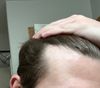
community Male, 5 Years of Recession, Starting Oral Minoxidil & Microneedling - Advice Needed
The user plans to start hair loss treatment with minoxidil, finasteride, and microneedling, considering oral minoxidil to avoid affecting their cat. They are concerned about potential shedding and the impact of vaping on hair loss.
community Has anyone had good results with Prof. Marliani's therapy?
The conversation discusses hair loss treatments, specifically progesterone therapy with hydrocortisone butyrate, and the use of dutasteride and finasteride. Opinions vary on the effectiveness and side effects of these treatments, with some users advocating for acceptance of balding if treatments are not suitable.
community Oral min and fin. 1.5 months. 20yo
community Xeljanz medication for alopecia universalis?
community Switching over to oral Dut and adding RU and Keto enriched Min and after 4 months of use the DHT itch is still there. It’s killing me. What else to do?
The user switched to oral Dutasteride, added RU58841, and used Ketoconazole-enriched Minoxidil but still experiences scalp itch and hair loss after 4 months. They are advised to give Dutasteride more time, consider seeing a dermatologist, and explore other topical solutions.
community Update on taking hims spray. I cut my dose to EOD, 2-3 sprays; instead of 4 sprays everyday. Trying to mitigate any leakage of fin into bloodstream.
A user shared progress pictures and discussed their hair loss treatment, including using Hims spray with finasteride, oral finasteride, castor oil, and derma rolling. They reduced their Hims spray dose to every other day to minimize finasteride absorption into the bloodstream.
community Experience with CB (Breezula)?
CB 03 01 (Breezula) was tried for hair loss but showed no significant improvement, with issues in dissolving and application. Finasteride and dutasteride remain the most effective treatments, while minoxidil is also used; CB's effectiveness is questioned, and topical alternatives like bicalutamide are considered.
community 1 year oral fin (1.1 mg) and oral min (3 mg)
The user shared a one-year update on using oral finasteride (1.1 mg) and oral minoxidil (3 mg) along with ketoconazole shampoo, reporting significant hair regrowth and satisfaction with the results despite some side effects like thicker eyebrows and chest hair. The user encourages others to start treatment early and plans to continue the current regimen for further improvement.
community curious to know the people that have dandruff that are diffuse thinners that have regrown hair or stopped further loss
Individuals with oily scalps, dandruff, and diffuse thinning hair loss who have managed to either halt the loss or regrow their hair by using topical finasteride and minoxidil as well as microneedling and ketoconazole 2% shampoo.
community Chest discomfort on finasteride?
A user experienced chest discomfort after taking finasteride for hair loss and is concerned about whether it is a side effect or an allergy. They are advised to consult a doctor and consider other hair loss treatments if necessary.
community Finasteride induced acne!? ANY suggestions pls! Zinc?
community Has anyone used latanoprost either alone or compounded with minoxidil?
The conversation is about using a topical solution of latanoprost and minoxidil for hair loss, with concerns about side effects due to a history of gynecomastia. The user is considering this treatment instead of finasteride and is seeking experiences from others.
community Switching to a more aggressive stack
The conversation is about a user switching to a more aggressive hair loss treatment, adding dutasteride 0.5mg and oral minoxidil 2.5mg to their current regimen of finasteride 0.02%, minoxidil 5%, biotin, massages, and microneedling. Users suggest increasing finasteride dosage and caution about potential side effects of oral minoxidil.
community Antihistamines stop my hair loss
A user found that antihistamines stop their hair loss and related symptoms, but they experience side effects like sedation and chest pain. They are seeking alternative solutions or topical antihistamines to avoid systemic side effects.
community Topical fin, Topical min, RU58841, 0.5 Dermarolling 2x a week
A user is considering using topical finasteride, topical minoxidil, RU58841, and dermarolling twice a week to address hair loss after experiencing side effects with oral finasteride. They previously saw positive results with a topical spray containing finasteride, minoxidil, and tretinoin but discontinued use due to laziness.
community 5 months of 1mg Fin, weekly 1.5mm microneedling and daily 2mg copper peptide injections
The user shared progress pictures after 5 months of using 1mg finasteride, weekly 1.5mm microneedling, and daily 2mg copper peptide injections. They discussed their hair loss treatment and results.
community Found a Pharmacy that will mix me 0.1 % Alfatradiol (Pantostin)
The user is currently using 0.025% Pantostin but plans to switch to 0.1% Alfatradiol. They will also use high-dose Kx826, high-dose Minoxidil, and aggressive microneedling for hair regrowth.