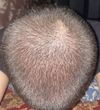
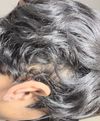
Reducing sugar intake may lessen scalp itchiness associated with hair loss, even when using treatments like finasteride. Some users also report similar symptoms while on dutasteride.
The user is experiencing hair loss despite using dutasteride, minoxidil, and ketoconazole shampoo, and is concerned about continued shedding. Suggestions include checking for nutrient deficiencies, consulting a dermatologist, and considering other potential causes like seborrheic dermatitis or telogen effluvium.
People are discussing how to apply tretinoin to the scalp for hair loss treatment and managing scalp dryness. Specific treatments mentioned include tretinoin, minoxidil (Min), finasteride (Fin), and RU58841 (RU).
The user has been dealing with hair loss for 10 years, worsened by psoriasis, and uses minoxidil and finasteride. They seek advice on managing psoriasis and hair loss, with suggestions to see a dermatologist, try different shampoos, and be patient.
The user, who experienced hair loss at the temples due to psoriasis at 17, is now 21 and considering treatment options. They are inquiring about using minoxidil once a day, whether non-AGA hair loss will persist after stopping minoxidil, and if alternative remedies like Detumescence therapy, rosemary and peppermint oils, and microneedling could be sufficient.
The user shared progress on hair restoration using dutasteride, oral minoxidil, and 2800 grafts, noting significant improvement in hair thickness and coverage. They discussed the importance of continuing DHT blockers like finasteride or dutasteride post-transplant to prevent further hair thinning.
A breakthrough in hair follicle cultivation using induced pluripotent stem cells (iPSCs) has been achieved, producing large hair follicles suitable for transplantation. Clinical trials for this hair multiplication technology are planned in partnership with Yinguan Biotechnology.
The user experienced persistent acne and skin issues with dutasteride, leading them to stop its use. They switched to finasteride, which caused mild acne and potential liver concerns, prompting consideration of alternative treatments like topical finasteride and GHK-Cu.
A user shared their successful hair loss and gray hair reversal routine, which includes Minoxidil, Cetirizine HCl, Latanoprost, Dutasteride, Melatonin, Caffeine, Tretinoin, Vitamin D3, and Vitamin E. They also use a red light cap, oral Minoxidil, and are developing new treatments.
A user experienced a dry, scaly scalp two weeks after microneedling with a dermapen at 1mm and applying Rogaine foam. They tried moisturizers and coconut oil without success and are seeking advice.
A 22-year-old who had a hair transplant and is on medication has nice hair, which was complimented by their grandmother. Another person is 8 months post-transplant and taking dutasteride, oral minoxidil, and biotin but hasn't seen results yet.
The user noticed hair thinning since age 15, initially attributed to a Vitamin D deficiency. They are currently using Rogaine and considering Propecia but are hesitant about a scalp biopsy; they seek financially practical treatments for male-pattern baldness.
An 18-year-old noticed hair thinning at 17, started finasteride 5 months ago, and saw shedding stop but no regrowth. They suspect male pattern baldness due to family history and are concerned about thinning on the back and sides, possibly due to inflammation.
A 16-year-old is experiencing hair loss and is using minoxidil, finasteride, and plans to add RU58841, while considering other treatments like MK-677 and microneedling. Concerns are raised about the potential impact of these treatments on puberty and development.
A user is concerned about using Alpicort, which contains Prednisolone and Salicylic Acid, for male pattern baldness. They are unsure if it will help or worsen their condition and are seeking advice.
The conversation is about making a topical solution from clascoterone powder, with references to using a RU58841 mixing guide for guidance. Concerns about product authenticity and bulk purchase requirements are also discussed.
The conversation is about a user's hair loss treatment regimen, which includes Dutasteride, oral Minoxidil, topical Dutasteride, Minoxidil sulfate, antioxidants, and various supplements. The user is also using a derma stamp and has paused Tretinoin due to a TCA peel recovery.
The user reports some hair regrowth after two months of using 1.5mm microneedling with Minoxidil and Nizoral shampoo. They note reduced pain and skin flaking, attributing changes to skin thickening and collagen induction.
The conversation discusses the effectiveness of topical tretinoin as a monotherapy for hair loss, with users suggesting it may not be as effective as minoxidil or finasteride. The original poster is considering other options like a phenol peel and is concerned about the risks of derma rolling.
User hears aunt's comment on hair loss during Easter gathering. Others discuss handling rude comments and share experiences with hair loss treatments like Minoxidil and Finasteride.
The conversation discusses managing hair loss and scalp issues, with users sharing experiences using treatments like dutasteride, finasteride, ketoconazole, sulfur soap, and topical anti-androgens. Suggestions include trying sulfur soap, scalp massages, spironolactone, and dietary changes to reduce sebum production and dandruff.
A 59-year-old man with significant hair loss has seen some improvement, including reversal of Retrograde Alopecia and darkening of hair, after switching to RU58841 and a new minoxidil base solution with additional ingredients. He also changed from a derma roller to a derma stamp for application.
Gut microbiome imbalances can cause scalp inflammation and affect hair follicles, potentially leading to hair loss. Treatments include finasteride, peptides like BPC-157, TB-500, KPV, and lifestyle changes such as diet and exercise.
Clascoterone, an acne treatment that blocks DHT, is being developed for scalp use against hair loss. The conversation also mentions Minoxidil, finasteride, and RU58841 as treatments.
User tries dermapen for hair loss and plans to use non-mainstream topicals like c60, ghk-cu, and ptd-dbm with valproic acid. They also use a head massager and modified LLLT belt for additional treatment.
The conversation is about finding online pharmacies to obtain tretinoin for hairline improvement, with suggestions including Amazon and nurx.com. Alternatives like adapalene are also mentioned.
The conversation discusses interest in participating in PP405 trials for hair loss treatment, with users expressing uncertainty about eligibility due to location. Participants are eager for updates and willing to pay for shipping if trials are limited to America.
The conversation discusses using isotretinoin (Accutane) to reduce scalp oiliness and manage scalp issues like seborrheic dermatitis, inflammation, and chronic itch. A user shares that taking 20mg of Accutane every other day effectively reduces oily hair and skin.
The user experienced significant hair regrowth with topical finasteride, minoxidil, ketoconazole, and dermarolling, but later faced severe hair shedding after stopping dermarolling and reducing ketoconazole use. Suggestions included switching to oral treatments, resuming dermarolling, and considering lifestyle changes.