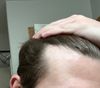
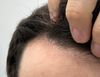
The user has been microneedling at 0.25mm once a week for 4 weeks and noticed further hairline recession. They are concerned about the impact of vitamin deficiencies, like biotin, on hair growth.
The efficacy of microneedling for hair regrowth as either a stand-alone therapy or adjunct to Minoxidil, and whether Tretinoin is a safer and more effective option. Replies include personal accounts from users who have had success with microneedling in combination with minoxidil and peptide serums, as well as considerations of technique, depth, and potential scarring.
The user is considering Botox for scalp hair loss and currently uses finasteride, minoxidil, microneedling, pumpkin seed oil, saw palmetto, and green tea extract. They seek information on potential risks and effectiveness.
The user shared progress pictures after a year of treating hair loss with 5% minoxidil, then a combination of minoxidil/finasteride topical, and microneedling at 1.5mm bi-weekly. They plan to switch to oral finasteride and more frequent microneedling at a shallower depth while continuing the current regimen.
A user's progress with using Minoxidil, finasteride, and microneedling to treat hair loss; another user mentioned a Japanese study that found better results for hairy individuals on finasteride.
A user shared progress pictures showing hairline improvement after 2 years of using topical Minoxidil, 1mg oral Finasteride, and sporadic microneedling. Another user praised the progress and shared mutual encouragement.
Microneedling can cause sneezing and eye tearing due to nerve stimulation, particularly near the temples and forehead. Some users find it lessens over time, while others prefer using finasteride and minoxidil for hair growth.
A physician experienced hair thickening and new growth using microneedling and minoxidil, but stopped using topical finasteride due to side effects like reduced libido and erectile dysfunction. The physician plans to continue with microneedling and minoxidil, considering finasteride nonessential for cosmetic purposes.
The conversation discusses concerns about using hair fibers while microneedling, specifically the potential for clogging pores. It is suggested that microneedling should not cause bleeding.
PP405's phase 2a trial results were presented, focusing on safety and pharmacokinetics, with a future meeting planned to share the full dataset. The trial includes a randomized controlled portion and an open-label extension, with no indication of phase 2B completion.
User made progress with topical Finasteride/Minoxidil and topical Dutasteride for hair loss. Microneedling at 1.5mm daily was also mentioned as part of the treatment.
Microneedling is discussed as a method to improve hair growth, with users sharing their experiences and results using different needle depths and frequencies. Treatments mentioned include minoxidil, finasteride, rosemary oil, and saw palmetto supplements.
The user plans to start hair loss treatment with minoxidil, finasteride, and microneedling, considering oral minoxidil to avoid affecting their cat. They are concerned about potential shedding and the impact of vaping on hair loss.
The user reported significant hair improvement over 15 months using dutasteride, minoxidil (oral and topical), RU58841, ketoconazole, and microneedling. They are considering a hair transplant in 4-6 months.
The conversation discusses hair loss treatments, specifically dutasteride, oral minoxidil, and microneedling. Users inquire about side effects, brands, and suggest using topical minoxidil.
Microneedling once a week at 1mm caused bumps, possibly scars, in the treated area. The user is considering cleaning the skin before microneedling to prevent this issue.
The user is considering using minoxidil, finasteride, and microneedling for hair regrowth and is concerned about maintaining progress if they stop microneedling. They are also contemplating switching from topical to oral minoxidil for convenience.
The user plans to use a 1.5 mm dermapen for microneedling every 10 days and is considering applying aloe vera afterward. They also inquire about the timing for washing their hair before and after the treatment.
OP is considering mixing finasteride pills with a 60ml bottle of Redensyl to create a topical treatment. The discussion focuses on the feasibility and effectiveness of this approach for hair loss.
The post discusses the confusion about the optimal microneedling depth and frequency for hair growth, and when to apply treatments like minoxidil. A reply suggests the best method is using a 1.25mm depth every 7 days with a specific device, holding it for 10 seconds to stimulate hair growth.
This conversation discusses the effectiveness of microneedling for hair loss, particularly when used in combination with oral minoxidil and finasteride. It is suggested that microneedling alone can be more effective than topical minoxidil alone, but it won't have a synergistic effect with oral finasteride. Advice was also given regarding researching treatments further before taking action.
The user is increasing their oral minoxidil dosage from 2.5mg to 5mg after using 1mg finasteride and topical minoxidil foam for over three years without desired results. They have also been microneedling and using tretinoin cream, recently increasing the tretinoin dosage to 0.1%.
A participant using Veradermics VDPHL01, an extended-release oral minoxidil, experienced significant hair regrowth from Norwood 6 to Norwood 3V without side effects. They plan to use dutasteride after the treatment to maintain results.
The user shared progress pictures after 5 months of using finasteride and microneedling, noting they stopped minoxidil recently to test finasteride alone. Another user observed good improvement and advised not to stop using minoxidil.
A user tried microneedling for hair loss with a Dr. Pen at 0.8 mm and experienced bleeding, questioning if the intensity was too much. Others suggested a less aggressive approach, and one mentioned finasteride as a helpful treatment without side effects.
The user experienced eyebrow hair loss after COVID-19 and has not seen regrowth despite using Latisse. They are seeking new treatment options but are cautious about spending money on ineffective solutions.
The user is using oral Minoxidil, oral Dutasteride, microneedling, and RU58841 for hair loss, noticing slow progress with small hairs appearing. They are inconsistent with microneedling frequency, sometimes doing it weekly or skipping weeks.
The conversation discusses the use of microneedling for hair loss, with concerns about potential long-term effects like fibrosis and scarring. Users share experiences and opinions on combining microneedling with treatments like minoxidil and finasteride, but there is uncertainty about the long-term safety and efficacy.
Tips for using a scalp applicator for Minoxidil, including using smaller doses for even coverage, twisting the applicator for better distribution, adjusting pressure to control flow, and cleaning regularly. Users also discuss alternative methods like pipettes, q-tips, and spray bottles for applying Minoxidil, especially for those with longer or thicker hair.
The user applied 5% minoxidil twice daily and microneedled approximately 1.5 times a month. They noticed some progress in hair growth, though they were unsure if it was due to treatment or hair length.