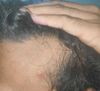
Anti-androgens like Finasteride, Dutasteride, Metformin, and Topical Spironolactone cause hairline recession and increased cholesterol levels. The hairline recovers after stopping the drugs.
A user shared their positive experience with Hims Topical Finasteride & Minoxidil Spray for hair loss over 5 months, noting an improvement in their receding hairline without taking finasteride pills. Their daily routine includes applying the spray after showering and then styling their hair.
The post discusses the confusion about the optimal microneedling depth and frequency for hair growth, and when to apply treatments like minoxidil. A reply suggests the best method is using a 1.25mm depth every 7 days with a specific device, holding it for 10 seconds to stimulate hair growth.
The post and conversation are about a user who made their own Platelet-Rich Plasma (PRP) for hair loss treatment at home, using their own blood and a centrifuge. The responses vary, with some users supporting the DIY approach to save money, others expressing concern about the safety and effectiveness of the method, and a few joking about the lengths people will go to combat hair loss.
The potential availability of a new hair loss treatment called HMI-115, which has shown promising results in experiments on monkeys but is not yet available to the public. Replies cautioned against using unproven substances from shady labs.
The user shared progress pictures and discussed using oral and topical Minoxidil, microneedling, recently starting finasteride, multivitamins, vitamin D3, vitamin K, tretinoin, and ketoconazole for hair loss. The conversation focuses on the effectiveness of these treatments.
A human trial of verteporfin, a drug that can inhibit wound healing by scarring and promote regeneration of original tissue and hair follicles to provide an unlimited source for hair transplants; people discussed the potential of this drug and how it could be rolled out in mainstream with more doctors getting on board.
This post and conversation are about the effects of Minoxidil on renal electrolytes transport in the Loop of Henle. The replies show a lack of interest and a brief summary stating that rectal Minoxidil electrolytes are bad.
The user shared their hair regrowth journey using treatments like dutasteride, minoxidil, microneedling, tretinoin, Nizoral, silica, biotin, and hormone replacement therapy (HRT) with cyproterone and estradiol. They reported substantial hairline improvement and some crown thinning, with hopes for further progress.
The user is happy with hair regrowth progress using monthly microinjections of minoxidil and dutasteride, along with daily oral intake of these treatments. The treatment costs $200 per session, and the user plans to continue for a year before stopping.
The user is experiencing hair thinning and has been using minoxidil, dutasteride mesotherapy, and red light therapy for 4.5 months without seeing results. They are considering changing their treatment due to lack of progress.
The user experienced significant hair thinning and has been using minoxidil, dutasteride mesotherapy, and red light therapy for 4.5 months without results. Suggestions include switching to oral dutasteride or finasteride for better effectiveness.
The user switched from topical Minoxidil and Finasteride to oral Finasteride and reduced testosterone, expecting to lower DHT, but instead, DHT increased and hair loss worsened. The user is seeking advice on whether to return to the previous topical treatment or if others have experienced similar issues with oral Finasteride while on TRT.
A user shared an extensive hair loss treatment regimen including dutasteride, minoxidil, tadalafil, RU58841, microneedling, and various topical and oral supplements. Responses varied, with some suggesting the regimen is excessive and others offering additional advice or expressing skepticism about its practicality and effectiveness.
The user reported significant hair growth progress after 6 months using 5mg oral minoxidil, 0.1mg dutasteride, 1.1mg finasteride, and 1mg biotin. They experienced some hair shedding but no noticeable side effects, and they regret not starting the treatment earlier.
A user discusses their extensive hair loss treatment regimen, which includes dutasteride, oral and topical minoxidil, RU58841, various supplements, and lifestyle changes. The conversation includes opinions on the effectiveness and necessity of such a comprehensive approach, with some users suggesting alternatives like microneedling and questioning the high dosage of dutasteride.
A 33-year-old woman experienced significant hair loss and found relief using Mary Ruth’s liquid morning multivitamin + hair growth and Nioxin shampoo and conditioner. She noticed reduced shedding and longer hair growth after three months of use.
Peptides, specifically GHK-Cu, are being considered for hair growth benefits, such as increasing blood flow to the scalp and preventing hair follicle shrinkage. A user reported starting GHK-Cu after hearing it made a friend's hair thicker.
Increasing dutasteride to 2.5 mg daily and adding 2.5 mg oral minoxidil to prevent hair loss during a testosterone cycle. Suggestions include adding RU58841 for better protection against hair loss.
Stem cell hair restoration lacks scientific evidence and is often considered a scam. Effective hair loss treatments include hair transplants, Minoxidil, and Finasteride, but stem cell treatments are not proven.
The conversation discusses hair loss treatments, specifically PRP, Minoxidil, and Finasteride. The user is considering PRP but is concerned about its effectiveness and potential side effects, while another user suggests starting with Minoxidil and possibly adding Finasteride later.
The conversation humorously discusses various unconventional and satirical hair loss treatments, including Minoxidil, RU58841, dutasteride, and microneedling. It also mentions bizarre suggestions like topical sharpie, spray paint, and Nutella.
Minoxidil and finasteride might help with hair regrowth, but a hair transplant may be necessary for significant improvement. The conversation humorously discusses the severity of hair loss, comparing it to various exaggerated Norwood scale levels.
PP405 and ABS-201 are promising treatments for male pattern baldness. PP405 shows rapid hair growth in human trials, while ABS-201 shows significant regrowth in animal studies but is still in early human trials.
A user shared their positive experience with a 4750 graft hair transplant at Dr. Orçun Clinic in Istanbul, including a high-quality exosome treatment. Despite skepticism and accusations of advertising, the user expressed satisfaction with the natural-looking results and the doctor's personal involvement.
Pelage Pharmaceuticals raised $120M for their hair loss treatment, PP405, showing strong investor confidence despite limited data. There is skepticism about its efficacy and long-term effects compared to treatments like GT20029.
The user is using oral minoxidil, ghk-cu, and HGH for hair regrowth, noticing small vellus hairs on the crown. They avoid traditional DHT blockers like finasteride due to side effects, despite skepticism from others about the effectiveness of ghk-cu.
A 31-year-old male experienced side effects from various hair loss treatments, including finasteride and dutasteride, and is considering mesotherapy with dutasteride as a last resort. Another user tried mesotherapy for four months without significant change but experienced no side effects.
A person is seeking advice on saving their thinning crown and hairline before their wedding, currently using a topical solution with 0.1% finasteride and 7% minoxidil. They are open to trying oral treatments and are considering using Hims for convenience, with no cost concerns.