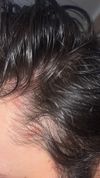
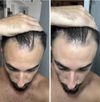
The user is experiencing scalp irritation and hair thinning, possibly due to stress, with red patches on the face and dry skin. They are considering seeing a dermatologist and have used tea tree and rosemary oil.
The conversation discusses the effectiveness of peppermint oil and dermarolling for hair regrowth, with one person suggesting that only dermarolling is effective and comparing peppermint oil's effectiveness to that of an egg.
The user started using finasteride and minoxidil and noticed fine, spikey hairs on their scalp after oiling with coconut and blackseed oil. Responses suggest these fine hairs could indicate hair regrowth, but more time is needed to see results.
The conversation is about optimism for new hair loss treatments like Stemson's bioengineering, osteopotin, SCUBE3, GT20029, and Verteprofin, and inquires about other notable treatments.
A user reported significant hair regrowth after 3 months using 1mg oral finasteride, 1ml 5% topical minoxidil, and microneedling, along with biotin, vitamin D, iron, and zinc supplements. They are optimistic about continued progress despite initial skepticism.
A 25-year-old shared progress after a year using oral finasteride, topical minoxidil, and microneedling, noting significant hair improvement despite periodic shedding. The user experienced body hair loss as a side effect but reported no other issues and plans to continue the treatment.
A user's progress with hair loss treatment, which includes taking 1/2mg of Fin/Min orally daily and using 5% topical Minoxidil in the evenings; additionally, micro-needling is performed fortnightly, along with 2 Nizoral washes per week.
The post is about a user's one-year progress in treating hair loss with finasteride and minoxidil. The conclusion is that the user experienced gradual improvement each month, with significant results after one year.
A user made a 70/30 ethanol/propylene glycol topical finasteride solution but noticed chunks at the bottom. The discussion focuses on this issue with the DIY hair loss treatment.
The conversation discusses experiences with PRP and mesotherapy for hair loss. One user mentions both treatments were costly without significant results.
A user recommends a roll-on applicator for applying Minoxidil directly to the scalp, which is useful for those with some hair volume. Others discuss different application methods, including electric applicators and using hands or a hair massager.
Users discussed the convenience and effectiveness of Hims Fin+Min chewable tablets for hair loss. Some believe it's overpriced compared to traditional oral finasteride and minoxidil, while others find it more convenient and potentially more effective.
Michael Scott's hair improvement was likely due to a hair transplant and possibly finasteride. Some believe his hair was intentionally styled poorly in the first season.
A 25-year-old woman is experiencing hair loss and has started microneedling with a 0.5mm roller, applying a mix of essential oils overnight. She questions whether to switch to a 1.5mm roller and the best order for her routine, while a reply suggests using Minoxidil for better results.
The user successfully regrew hair using Finasteride, Minoxidil, and microneedling, achieving thicker hair and a fuller hairline. They recommend this method over hair transplants, highlighting the importance of patience and consistency.
A new potential hair loss treatment called HMI-115, and the cost of this treatment which may be expensive due to production costs but could be competitive with other treatments such as hair transplants.
A 26-year-old male shared progress pictures after 4 months of treating hair loss with finasteride (1.25 mg on Mondays, Wednesdays, and Fridays), topical minoxidil twice daily, ketoconazole shampoo twice weekly, and weekly microneedling at 1.5 mm. He is seeing hair growth improvement, especially in the front, and is considering hair grafts for the crown area if necessary for more density.
A 28-year-old male started a hair loss treatment with 2.5mg oral minoxidil daily, 1mg finasteride every other day, and a 1.5mm dermaroller once a week. After two months, he believes he sees some progress.
The user shared progress pictures of their hairline improvement over two years using finasteride, minoxidil, and microneedling. Another user inquired about whether the minoxidil was used orally or topically.
A 29-year-old male is experiencing positive hair regrowth after 3 months using oral finasteride (1mg) and topical minoxidil (1ml twice daily), despite side effects like scalp itchiness and dandruff. He plans to continue the treatment long-term and may switch to foam minoxidil to alleviate scalp issues.
The user is experiencing a burning sensation on their scalp despite using finasteride and nizoral for hair loss, and is unsure if they should switch to dutasteride. They have reduced their testosterone dose but the burning persists, and a trichologist suggested it might be telogen effluvium.
The conversation is about a user's one-year progress after a 3,200 graft FUE hair transplant and their use of oral finasteride and minoxidil. People are impressed with the results and are discussing the effectiveness and cost of the treatment.
Hair loss treatment with finasteride, minoxidil, microneedling, and nizoral shows impressive results after 3 years. Dermatologist recommended starting with finasteride before adding other treatments.
The conversation is about the preference for using a derma stamp over a derma roller for hair loss treatment, with users discussing its efficiency, needle material, replacement frequency, and personal experiences. Specific treatments mentioned include microneedling with a derma stamp.
The post discusses a user's hair loss treatment routine, which includes daily 1mg finasteride, twice daily topical rogaine, biotin vitamin intake, and a new microneedling regimen of 0.5mm three times a week. The user is turning 24 next month.
People are humorously discussing unconventional and extreme methods of using hair loss treatments like finasteride and minoxidil, including vaping, snorting, and injecting. The conversation is filled with jokes and sarcasm about these methods.
The conversation is about personal experiences with Nifeishi rosemary mint oil for hair loss and requests for an ingredient review to assess its quality. Specific treatments mentioned are Minoxidil, finasteride, and RU58841.
A user started taking 0.25mg of finasteride every other day to prevent hair loss and documented their experience. Initially, they felt anxious and had headaches, but by the second week, they felt normal with no side effects or changes in hair.
A user is developing an AI-powered app for hair loss that includes features like hair loss stage detection and hairline tracking. They seek feedback to ensure the app is useful and emphasize privacy and affordability.