Treatments for hair loss, including Minoxidil, finasteride, and RU58841. The post discusses the potential benefits of Pyrilutamide compared to RU58841 in terms of strength and longevity.
Treatments for hair loss and the potential side effects. The user discussed their doctor's advice to take 1.25 mg oral minoxidil and .5 mg dutasteride daily, with a warning that those with heart conditions should not take oral minoxidil. Other users shared their experiences, including taking finasteride and noting the possible overkill of the dosage prescribed by Jirons1's dermatologist.
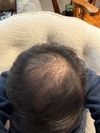
The conversation discusses the effectiveness of adding RCP (redensyl, capixyl, procapil) to a hair loss treatment regimen that includes minoxidil and finasteride. Users share experiences, suggesting RCP may not be as effective as minoxidil, but could be useful for creating topical solutions.
The user plans to switch from topical to oral finasteride (1mg/day) and minoxidil (3mg/day) due to unsatisfactory results with topical treatments. They seek advice on the effectiveness, potential side effects, and the timing for considering a hair transplant, with recommendations to monitor health metrics like blood pressure and conduct thorough bloodwork before starting.
A 19-year-old is experiencing hair thinning and considering using RU58841 alongside minoxidil, which initially worked but lost effectiveness. Others advise caution, suggesting safer alternatives like topical finasteride and consulting a doctor before using unapproved treatments like RU58841.
The conversation discusses switching from topical to oral Minoxidil for hair loss treatment, with the expectation of better results due to systemic delivery. The user has been using Finasteride, topical Minoxidil, and dermastamping, maintaining hair but seeking more regrowth.
The conversation discusses various hair loss treatments, including minoxidil, finasteride, latanoprost, tretinoin, dutasteride, and cetirizine, with concerns about effectiveness, cost, and potential side effects. Users express skepticism about the product's price and the combination of multiple compounds.
The user is considering switching from topical to oral minoxidil to address thinning hair and a receding hairline. They are currently using topical minoxidil with tretinoin, finasteride, and ketoconazole shampoo without side effects.
The user has been using 5mg oral Minoxidil daily and started with 1mg Finasteride daily, but reduced the dose due to side effects and is considering trying RU58841. They are concerned about thinning hair despite some temple recovery and are seeking advice on maximizing progress.
A user reports improved hair at 31 compared to 21 using dutasteride, oral minoxidil, and Nizoral shampoo, with significant gains from oral minoxidil. Other users discuss their experiences, with mixed results on regrowth and side effects like heart racing and excess body hair.
OP is concerned about hairline recession and was advised by dermatologists to use Minoxidil on the hairline, despite doubts about its effectiveness there. OP is unsure about not being prescribed Finasteride and is considering whether to seek it independently.
VDPHL-01 is essentially a slow-release oral minoxidil, which is already known to work for hair growth. The formulation includes other ingredients like Medrogestone, Valproic acid, Setipiprant, and Cetirizine, but their effectiveness and necessity are questioned.
The progress of Phase I of HMI-115, a potential hair loss treatment, which consists of Minoxidil, finasteride, and RU58841. The estimated completion date is June.
Oral minoxidil dosing should be based on body weight to minimize side effects, with higher doses increasing risks like pericardial effusion. Combining oral minoxidil with topical treatments and finasteride can improve hair growth, but regular heart health monitoring is essential.
The user is experiencing side effects like light-headedness and breathlessness from taking Dutasteride, Minoxidil, and Biotin orally. They are considering taking the medication at night to alleviate these symptoms.
Pyrilutamide should not be mixed with Minoxidil because the water in Minoxidil can degrade it. It's suggested to apply Minoxidil first, wait an hour, then apply Pyrilutamide.
The conversation discusses the potential use of verteporfin for hair loss treatment, with one user mentioning their surgeon's interest in trying it and another noting its research status and clinical use as a YAP inhibitor. Some users debate the market size, availability of generics, and the optimism in the hair loss community regarding new treatments.
Crushing spironolactone pills and combining them with minoxidil for topical application may be effective for hair loss, with the addition of finasteride suggested. Adding rosemary and peppermint oils can help mask the unpleasant smell.
Actifolic's RU58841 and Pyri products are perceived as ineffective, with users reporting no side effects or improvements, suggesting possible quality issues. Users recommend alternative sources and emphasize the importance of timing when using RU58841 with Minoxidil.
Breezula (clascoterone) initially performed better than finasteride for hair loss but then effectiveness decreased almost back to baseline after 6 months, raising questions about its strength.
The conversation is about a user trying a new hair loss treatment, Ruxolitinib, alongside their existing regimen of finasteride, minoxidil, ketoconazole shampoo, and microneedling. They plan to apply Ruxolitinib to their temples daily for 1-2 months.
The user is seeking affordable alternatives for oral finasteride and minoxidil in the UK due to high costs. They have been using these treatments from Sons with positive results.
Hair loss discussion includes topical spironolactone treatment, used 1-2 times daily for 2 weeks with no changes yet. Minoxidil and Propecia caused nasty side effects for the user.
Clascoterone and RU58841 are compared for effectiveness in treating hair loss. The discussion involves treatments like Minoxidil, finasteride, and RU58841.
A 30-year-old woman has been using oral minoxidil and spironolactone for hair loss without success for 18 months and is considering switching to topical minoxidil. Users suggest trying topical minoxidil, dermastamping, red-laser therapy, and checking hormone levels, while noting that oral minoxidil is often more effective than topical.
The conversation discusses a user experimenting with RU58841 for hair regrowth by ingesting it, which others find concerning. There are mentions of potential side effects and comparisons to other treatments like minoxidil, finasteride, and flutamide.
The conversation discusses experiences with hair loss treatments containing RootBioTec and Anagain. Users share their results and compare these treatments to Minoxidil, finasteride, and RU58841.
The conversation discusses the differences in inactive ingredients between Sandoz 5mg Finasteride and Proscar/Propecia, questioning the purpose of certain additives like Docusate sodium. It seeks to determine if these differences affect the effectiveness of the treatment for hair loss.