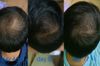
The user experienced increased hair density and improved hairline definition after 8 months of using 1mg finasteride and 5mg minoxidil (both oral and topical) daily, though the hairline recession hasn't reversed. They noticed fuller eyelashes and increased shedding, but overall hair growth is outpacing the loss.
A user is considering using RU58841 for female pattern baldness and is also planning to use Minoxidil. They are hesitant to ask their doctor for spironolactone due to its cosmetic nature and are experiencing significant hair loss possibly due to stress and hormonal issues.
Using Dutasteride as a hair loss treatment and its potential benefits, including availability in certain countries without a prescription and lower side effects than Minoxidil or RU58841.
The user experienced severe side effects from finasteride, including hormonal imbalances and cognitive issues, leading to a recommendation to stop its use. They plan to follow up with tests to rule out a pituitary tumor and are considering topical treatments as alternatives.
The release of a study on 5a-reductase inhibitors (finasteride and dutasteride) which showed an increased risk of depression, dementia, decreased libido, and reduced semen load as potential side effects; discussion around other forms of hair loss treatments such as topical minoxidil, RU58841, or opting to accept baldness; and advice to consider professional help for deeper issues related to hair loss.
A humorous discussion on hair loss, suggesting girlfriend ASMR might counteract finasteride's effects, with a proposed experiment involving finasteride, ASMR, and control groups. Participants joke about evolutionary theories, ASMR, and the effects of DHT on balding.
The conversation is about a person experiencing hair loss, using topical minoxidil for 8 years, now at Norwood scale 3, and considering topical spironolactone and oral minoxidil after a tricho test recommendation. They are seeking others' experiences with topical spironolactone.
The user is experiencing hair thinning and bald spots, using Nizoral, rosemary oil, fluocinolone, and receiving PRP treatments. They are considering oral minoxidil and finasteride but are hesitant due to age and financial constraints.
A user's progress with treating hair loss by using finasteride (1mg MWF) and minoxidil (5% once daily), occasionally using ketoconazole gel, and dermarolling 1.5mm every two weeks; other users' responses are positive and ask for more information about the treatment regimen.
The user experienced significant hair regrowth using a daily capsule containing 1mg finasteride, 2.5mg minoxidil, and 10mg biotin, with noticeable results after 3-4 months. They reported a decrease in libido as a side effect and considered switching to minoxidil only, but were advised against it.
The reduction in scalp oiliness is likely due to finasteride reducing DHT levels and the use of ketoconazole shampoo. The combination of these treatments may have decreased sebum production.
A 21-year-old male is starting treatment for hair loss with 1mg Finasteride daily and 5% Minoxidil foam twice a day, along with other hair care products and supplements. He plans to document his progress monthly and is concerned about potential side effects from Finasteride.
A 21-year-old has been using 1mg finasteride and 2.5% minoxidil for 9 months with some improvement in hair density. They plan to add collagen, 1% ketoconazole shampoo, and biweekly microneedling to their routine.
Comparing the effectiveness of RU58841, Pyrilutamide and CB-03-01 as treatments for hair loss, with people discussing different aspects such as binding affinity, time of inhibition, safety data and cost.
A 21-year-old with diffuse thinning hair is considering RU58841 due to side effects from topical finasteride and is asking for the lowest effective dose and time to see results from RU58841 users.
A 26-year-old male with grade 3 hair loss is using 2.5 mg oral minoxidil, 1 mg finasteride, 5% minoxidil, ketoconazole shampoo, and kLM d3. He plans to post progress pictures every 6 weeks and is seeking suggestions.
The user is considering switching their hair loss routine from taking finasteride daily to a combination of finasteride six times a week and dutasteride once a week. They are seeking advice on this potential change.
A user shared a guide for mixing a topical spironolactone solution for hair loss, using ingredients like spironolactone tablets, ethyl alcohol, and propylene glycol. They compared it to the S5 cream, finding their homemade solution more practical and cost-effective.
The conversation discusses a last-resort hair loss treatment combining topical finasteride, minoxidil, melatonin, and progesterone, with claims that topical finasteride can inhibit up to 52% of scalp DHT. One reply clarifies that progesterone is not an anti-androgen but has anti-androgenic properties because it competes with androgens for receptors.
A 22-year-old is struggling with hair loss despite using treatments like minoxidil, finasteride, dutasteride, castor oil, rosemary, argan oil, and microneedling. Stress and poor sleep are worsening the condition, and they seek advice as current treatments have been ineffective.
A user seeks advice on supplements to counteract libido and erection issues while taking Finasteride. Suggested supplements include Zinc, Maca, L-Arginine, L-Citrulline, Ginseng, Ginkgo, Ashwagandha, and Boron.
Hair loss treatments discussed include Minoxidil, Finasteride, and RU58841. HMI-115, a monoclonal antibody drug, is in phase 1 and 2 trials for different conditions, but its availability on the gray market is unlikely due to high production costs.
Hair loss discussion includes topical Spironolactone's effectiveness and minimal side effects. Community members share personal experiences and opinions on its use.
A user shared their 10-month progress using 1.2mg finasteride and 5mg minoxidil daily, emphasizing the importance of starting treatment early to slow hair loss. They reported improved hair and mental health with no major side effects.
A 30-year-old male is experiencing hair loss and is concerned about his receding hairline, seeking advice on his Norwood scale classification. He is apprehensive about using Minoxidil and finasteride as treatments.
A user is using homemade topical spironolactone for androgenetic alopecia and is unsure about its effectiveness due to concurrent telogen shedding. They are seeking advice on others' experiences with homemade topical spironolactone.