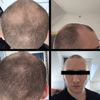
The user showed a 4-month hairloss treatment progress using topical finasteride with minoxidil, Redensyl, Procapil, Capixyl, ketoconazole shampoo, and occasional microneedling. They took consistent progress photos under the same conditions.
A user shared progress pictures showing hair regrowth after using minoxidil and finasteride for several months. Despite skepticism, the user reports noticeable improvement and aims to motivate others with hairloss.
A user experimented with creatine while using finasteride and minoxidil for hairloss, noticing increased bald spots and thinner hair, but attributed it to his hair cycle rather than creatine. Other users suggested that creatine doesn't cause hairloss directly, but increased testosterone from workouts might affect those with a genetic predisposition.
User shared progress pictures of hair regrowth using topical Minoxidil, oral Finasteride (later switched to topical), keto shampoo, biotin supplements, and dermarolling. Hairline improved slightly, considering a hair transplant for further results.
A user's hairloss treatment regimen, which includes minoxidil, ketoconazole shampoo and microneedling; some participants questioned the results due to previous posts about hair transplants, but others agreed that quick results are possible with certain treatments.
Minoxidil foam and oral finasteride resulted in significant hair regrowth, especially on the hairline, with no side effects from finasteride. The user applied Rogaine 5% for minoxidil.
A 21-year-old is experiencing aggressive hairloss and dandruff, possibly due to seborrheic dermatitis, and is using pumpkin seed oil, scalp massages, and anti-dandruff shampoo as treatments. They are hesitant to use prescribed Finasteride and Minoxidil and have noticed some improvement after stopping Serenoa capsules.
Exploring hairloss treatments beyond DHT, including Minoxidil, pyruvate, Gt20029 targeting androgen receptors, and vasodilators. Other options like Kx826, adenosine signaling, growth factor topicals, and microneedling are also discussed.
The user is experiencing rapid hairloss despite using dutasteride, minoxidil foam, and ketoconazole shampoo, and is concerned about waiting longer to see results. A suggestion was made to consult a dermatologist for a tricoscopy and consider higher doses of dutasteride, while also checking for nutritional deficiencies and thyroid issues.
Hair regrowth after 13 weeks using topical minoxidil, oral finasteride, peptide shampoo, serum, and a red light hat. Some growth is attributed to a recent hair transplant.
A 22-year-old male experiencing diffuse thinning is using oral minoxidil and finasteride but notices his hair looks thin in sunlight. Suggestions include using hair products, considering topical minoxidil, addressing seborrheic dermatitis, and possibly trying dutasteride or a hair transplant.
The user shared their journey with hairloss, using minoxidil initially, then adding microneedling and finasteride, and finally undergoing a hair transplant. They expressed regret for not using finasteride earlier due to fear of side effects and found the combination of treatments effective in the end.
A user reported no improvement in hairloss after nearly a year of using 1mg oral finasteride, topical minoxidil twice daily, and weekly microneedling. Other users suggested the possibility of DUPA or retrograde alopecia and mentioned that treatments might only slow down hairloss rather than regrow hair.
The conversation discusses hairloss treatments, specifically the use of dutasteride, finasteride, and other methods like PRP, laser, and mesotherapy. Despite these treatments, the user is experiencing hairloss, and others suggest consulting a dermatologist, considering alternative treatments, and addressing potential scalp inflammation.
Hairloss has slowed or stopped after 5 months of daily oral minoxidil and finasteride treatment, with ketoconazole shampoo used twice a week. Noticeable thickening is observed, especially on the mid scalp.
A 23-year-old man shared his nearly 3-month progress treating hairloss with 1mg finasteride daily, 5% minoxidil once at night, and ketoconazole shampoo twice a week, showing improvement in hair thickness and coverage. He encourages others not to be afraid of using finasteride despite potential side effects.
A 21 year old male who has been taking finasteride, minoxidil and ketoconazole for 3.5 months with minimal side effects and successful hair regrowth. Genetics also seem to play a role in the user's hairloss.
The user is experiencing aggressive hairloss and is using minoxidil, microneedling, biotin, and vitamin D. They are considering finasteride or dutasteride and plan to consult a dermatologist for the best treatment.
The user switched from oral to topical finasteride with minoxidil after a hair transplant and is experiencing increased hair growth in unexpected areas like eyebrows and sideburns. They are seeking feedback from others with similar experiences.
Hairloss is linked to DHT, with treatments like finasteride and minoxidil being common but not definitive. Economic interests influence research, and there is potential for new treatments like PP405 and RU58841.
The user shared their hairloss journey, trying various methods like a hair system and scalp micropigmentation, and recently started using finasteride and minoxidil with supplements like biotin, zinc, and ketoconazole shampoo. Another user mentioned starting dutasteride and minoxidil with biotin and zinc.
A user with seborrheic dermatitis is experiencing bald spots and hair thinning despite changing their diet and taking oral minoxidil. Another user suggests using ketoconazole shampoo properly, using a scalp massager, applying rosemary/peppermint oil, keeping hair short, and taking fish oil to improve scalp health.
A user's successful hairloss treatment using ketoconazole shampoo, 0.5mg finasteride, and 5% liquid minoxidil. They noticed significant results after 4 months, with reduced hair fall observed earlier.
A 22-year-old male is experiencing hairloss and has been using topical minoxidil and anti-dandruff shampoo for six months without improvement. Suggestions include adding finasteride to the routine and considering treatments for potential scalp issues like seborrheic dermatitis.
Increased scalp itching during shedding phases while on finasteride treatment may coincide with hair regrowth and recovery. This suggests that itching might not always indicate continued hairloss and could encourage persistence with the treatment.
The user observed new tiny white hairs after 12 days of using minoxidil, finasteride, microneedling, and biotin, hoping they will become terminal hairs. Others advise that while some hairs may not fully grow, consistent treatment, patience, and scalp massages could enhance results.
Hairloss treatments like finasteride, minoxidil, and hair transplants are more accessible and effective now. Concerns about side effects and skepticism about new treatments like hair cloning and GT20029 remain.
The user experienced significant hair regrowth using a regimen of 1 mg finasteride daily, minoxidil twice daily, ketoconazole shampoo weekly, dermastamping weekly, and tretinoin. They reported no side effects and emphasized the importance of committing to the treatment.
A 22-year-old is experiencing hairloss, particularly fuzzy hair in the front, and is concerned about male pattern baldness. Treatments mentioned include Propecia (finasteride), minoxidil, PRP treatments, dermarolling, peppermint oil, and apple cider vinegar.