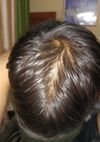
A user wants to add tretinoin to their nightly minoxidil and finasteride combo to increase effectiveness. They seek advice on how to mix tretinoin with the existing treatment.
Take 1mg finasteride daily as the standard approach; adjust only if side effects occur. Many users experiment unnecessarily with doses and methods, complicating treatment.
A 24-year-old with early hair loss is managing it with finasteride, minoxidil, and dutasteride, and is considering using a hair system for more styling options while maintaining transparency. They emphasize confidence and self-expression over hair, viewing it as an amplifier rather than a foundation.
The conversation discusses hair transplants, including the use of techniques like FUE and the importance of a good donor area to avoid visible bald patches. It also touches on alternative treatments like Minoxidil, Finasteride, and Pyrolutimide, and debates the idea of embracing baldness versus seeking treatments.
The conversation discusses skepticism about the effectiveness of scalp tension theory and scalp massagers for hair regrowth, contrasting it with treatments like finasteride and minoxidil, which have more user-reported results. Participants question the belief in scalp tension theory, suggesting it may be a marketing tactic, while others argue for a multifactorial approach to hair loss.
A topical treatment called 1961, containing multiple products, is discussed for its compatibility with finasteride. It is suggested that 1961 does not negatively affect finasteride's effectiveness and may even enhance its absorption.
Balding's emotional impact is discussed, highlighting self-acceptance and well-being. Treatments like finasteride, minoxidil, and microneedling are mentioned, but the focus is on self-care and maintaining perspective.
The conversation discusses a hair loss treatment regimen that includes scalp massage, derma rolling, saw palmetto, rosemary, peppermint oil, pumpkin seed oil, and various supplements like vitamins C and D, multivitamins, biotin, collagen, and fish oil. The user is asking if the treatment has led to hair regrowth.
The conversation is about dealing with hair loss and exploring treatments like HRT, Minoxidil, and micro-needling. The user is considering wigs and possibly a hair transplant while expressing feelings of self-doubt and seeking support.
The conversation is about the difficulty of applying both pyril and min/fin to treat hair loss twice daily and whether combining them yields positive results.
The conversation discusses an all-in-one hair loss treatment combining minoxidil, azelaic acid, finasteride, and ketoconazole, aimed at addressing hair loss and scalp dandruff without drying out the hair. The user is considering this product to incorporate ketoconazole into their routine and start using minoxidil.
A 20-year-old diffuse thinner has been using finasteride for 8 months and is considering adding minoxidil to their routine. A user suggests incorporating minoxidil for quicker regrowth, despite the hassle of daily application, while continuing finasteride.
The user started using topical Minoxidil and Procapil, then added oral Minoxidil and Finasteride, seeing some hair thickening but no improvement in the frontal hairline. They believe nutrition, sleep, and lifestyle impact hair health and are seeking ways to track hairline and medication use.
A user on finasteride for 7 months is experiencing increased hair loss and is considering adding dutasteride or minoxidil to their regimen. They are seeking advice on whether to switch treatments or continue their current plan.
The conversation discusses using a multimodal approach to treat androgenic alopecia, including substances like gamma-linolenic acid, DHA, sulforaphane, melatonin, cetirizine, astaxanthin, fisetin, apigenin, curcumin, limonene, genistein, and berberine. Users also mention using ketoconazole, minoxidil, and low-level laser therapy (LLLT) as part of their hair loss treatment regimens.
The conversation is about supplements for hair health. Nutrafol and Viviscal are mentioned, with Nutrafol preferred due to saw palmetto; individual supplements like zinc, vitamin D, iron, B complex, magnesium, and inositol are also discussed.
The user has been using finasteride, dutasteride, and RU58841 for hair loss without success and feels extremely uncomfortable with their appearance, including being bald and short. They express deep unhappiness and social isolation. Suggestions from others include adopting stoicism, focusing on personal development, considering a hair system, improving fashion, working out, and seeking therapy for mental health.
The conversation discusses a personal theory on the role of DHT in stress and reproduction, suggesting it converts testosterone for reproductive traits. The discussion includes skepticism and mentions individual differences in physiology and neurochemistry.
The user discusses switching from multiple vitamins to a single multivitamin pill. They also mention using oral finasteride and topical minoxidil with finasteride for hair loss treatment.
The user is mixing various topical solutions for hair loss, including Dutasteride, Minoxidil, Finasteride, tretinoin, RU58841, Stemoxydine, and Reviv AHK-Cu, and is questioning if this practice is effective or wasteful. They are concerned about potential interactions, especially with the new treatment KX-826, which should not be mixed with Minoxidil.
The user is using a hair loss treatment involving dutasteride, minoxidil, finasteride, microneedling, and supplements like multivitamins, D3 K2, and Omega 3 fish oil. They are considering adding tretinoin and are open to suggestions while managing gut issues.
The conversation discusses the scalp tension theory as a potential factor in hair loss, alongside DHT, inflammation, and other mechanisms. Treatments mentioned include finasteride, minoxidil, and botox injections, with some users exploring additional methods due to varying effectiveness.
The user plans to use a combination of tretinoin, topical minoxidil, and topical finasteride for hair loss treatment. They seek advice on application order, timing, and tretinoin dosage.
Combining minoxidil with tretinoin may help those who don't respond to minoxidil alone. Some users report better results with this combination, along with oral minoxidil and finasteride.
The user successfully reduced hair loss using pumpkin seed oil, Nizoral shampoo, and astaxanthin without using minoxidil or finasteride. They observed significant improvement over 12 months and believe the combination of treatments is effective.
The conversation discusses an extensive hair loss treatment regimen including dutasteride, GT20029, RU58841, pyrilutamide, minoxidil, microneedling, ketoconazole shampoo, and experimental compounds. The user humorously describes their approach as a comprehensive strategy to combat hair loss while maintaining hair growth.
Combining minoxidil, pyrilutamide, and copper peptide is questioned, with advice to apply them separately to avoid reactions. Finasteride and minoxidil are recommended for effectiveness.
A user shared their positive experience of embracing baldness after years of trying treatments like Minoxidil and finasteride. They found happiness and confidence by shaving their head, despite some social challenges, and encouraged others to focus on their attitude and seek therapy if needed.