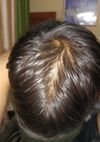
PRP treatments have been effective for the user, with a new recommendation of using a high-quality plasma kit once a year. The user seeks experiences with this specific PRP approach.
The conversation discusses interest in peptides for hair loss, specifically mentioning ahkCU and ghkCU. A user is considering adding ghkCU to their treatment regimen.
A breakthrough in hair follicle cultivation using induced pluripotent stem cells (iPSCs) has been achieved, producing large hair follicles suitable for transplantation. Clinical trials for this hair multiplication technology are planned in partnership with Yinguan Biotechnology.
A 20-year-old diffuse thinner has been using finasteride for 8 months and is considering adding minoxidil to their routine. A user suggests incorporating minoxidil for quicker regrowth, despite the hassle of daily application, while continuing finasteride.
Kintor Pharma has started a Phase II trial in China for GT20029, a potential new treatment for hair loss. Participants are discussing the significance, potential release dates, and comparing it to other treatments and technologies like stem cell hair transplants and SAMIRNA.
A user's father experienced hair regrowth and other health improvements after two IV exosome treatments. The user also had four rounds of exosome therapy, noting significant hair regrowth and relief from headaches, but no change in gray hair.
The user applies a topical solution containing minoxidil, finasteride, dutasteride, retinoic acid, and hydrocortisone to address scalp inflammation and is considering adding cetirizine to the mix. They are calculating the correct amount of cetirizine to add to their formula and have paused this approach to retry oral minoxidil.
User discusses group buy for finerenone, a third-gen mineralocorticoid antagonist for hair loss treatment. Finerenone inhibits TGFb, NOX, and ROS, and improves renal and cardiac function; topical dose should be no more than 10mg per day.
The user initially used dutasteride, minoxidil, and vitamins, then switched to finasteride but experienced side effects and hair loss. They found better results with a natural supplement containing stinging nettle and beta-sitosterol, reporting thicker hair without side effects.
Oral minoxidil combined with isotretinoin may improve hair loss treatment effectiveness. Tretinoin is known to increase the absorption of topical minoxidil.
Tretinoin and microneedling both enhance hair growth through different mechanisms, with microneedling being considered safe for long-term use. Optimal microneedling needle length varies, but 0.8 mm is suggested for hair growth, and a Dermastamp is recommended to avoid skin damage.
Breezula is being sold at Anagen Inc and Universal Labs, and users are discussing their experiences and results with it. There is also interest in the formulation process and inquiries about PP405.
Kintor's KX826 (pyrilutamide) is ineffective at 0.5% and overpriced at 1%, leading to user frustration and calls for fair pricing. Users suggest sticking with proven treatments like Minoxidil and Finasteride.
A user's experience with hair loss and scalp inflammation, which was alleviated by using RU58841 along with finasteride and dutasteride. A theory of inflammation possibly being a cause of hairloss is also discussed.
The user follows an intensive hair loss protocol including dutasteride, biotin, black tea, pumpkin seed oil, peppermint shampoo, rosemary conditioner, mukemame, soy milk, lycopene, garlic, magnesium, chamomile, spicy food, citrus bergamot, zinc, multivitamins, kefir, and Greek yogurt. They plan to alternate between pumpkin seed oil and safflower oil and will share before and after pictures.
OP injured their temple using derma rolling and tretinoin, causing peeling and potential hair follicle damage. Users suggest the injury might be permanent, possibly resulting in scar tissue where hair won't grow.
The post is about a user starting a hair loss treatment using finasteride, micro needling, and nizoral. The conversation includes supportive replies from other users.
The conversation discusses the potential effectiveness of a Sult1a1 enzyme booster in enhancing the results of minoxidil for hair loss. Users express interest in the booster, hoping it will improve the effectiveness of oral minoxidil, especially for those who struggle with topical application.
The user experienced hair regrowth using 0.5mg oral finasteride and the iRestore laser cap every other day, with reduced shedding. They also take collagen peptides and Nutrafol vitamins, though they are unsure of the latter's effectiveness.
The conversation discusses a 4-month hair regrowth protocol that includes finasteride (1.25mg), RU58841, dermarolling, ketoconazole, minoxidil, peppermint oil, and fatty acids/oils. Progress pictures are shared to show the results of these treatments.
Follica's preferred microneedling protocol for hair growth, which includes needle depth, frequency and movement parameters as well as the use of topical treatments such as minoxidil and finasteride.
The conversation discusses using minoxidil and finasteride for hair loss, with concerns about absorption and considering adding tretinoin for better results. Microneedling is suggested as a method to improve absorption, with varying depths and frequencies recommended.
DLQ01, a prostaglandin F2α analog, shows promise for hair growth by directly stimulating PGE2/PGF receptors without needing conversion, and can be combined with minoxidil and retinoids like tretinoin for enhanced effectiveness. Minoxidil's efficacy may be reduced by COX-1 inhibitors, but using prostaglandin analogs like Latanoprost or Bimatoprost can help maintain its effectiveness.
A user shared their 3-month hair growth progress using 1mg oral finasteride, 5% topical minoxidil, and microneedling with a 1.5 mm dermaroller twice weekly. The user received positive feedback and expressed a desire for thicker hair in the future.
A user is considering a 3-in-1 capsule containing Finasteride, Minoxidil, and Biotin for hair loss. Concerns are raised about Biotin's impact on the effectiveness of Finasteride and Minoxidil, and the cost is unclear without logging in.
The user is seeking help with using Ell-Cranell for hair loss treatment. They are unsure about the correct application method and dosage. They also inquire about combining microneedling with topical alfatradiol and question a study that referred to alfatradiol as a hair growth inhibitor in male mice.
User Topher1999 achieved hair regrowth using Dutasteride 3 times a week and microneedling with Dr. Pen Ultima A6 every 2 weeks for 9 months. They believe microneedling is the main reason for hairline gains.
ET-02, a PAI-1 inhibitor, is not proven to be more effective than Minoxidil for hair loss. Other treatments like finasteride, dutasteride, PP405, and AMP-303 are also discussed, focusing on cellular senescence and oxidative stress.