An arthritis drug, baricitinib, is discussed as a potential treatment for autoimmune alopecia, not androgenetic alopecia. Ritlecitinib is also mentioned as a possible treatment for scarring alopecia.
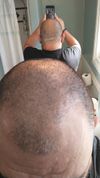
The user reports positive progress in hair regrowth using 1mg oral finasteride, 3mg oral minoxidil, biotin, vitamin D, red light therapy, and microneedling. They note thickening at the hairline and some regrowth at the temples.
The user is treating diffuse thinning with finasteride, dutasteride, and oral minoxidil but hasn't seen significant improvement. Others suggest that results vary, with some maintaining hair and others considering transplants or future treatments.
The conversation discusses whether oily scalp and sebum can hinder the absorption of topical hair loss treatments like Minoxidil and Finasteride, even when using tretinoin. The user is skeptical about the effectiveness of these treatments due to their oily scalp condition.
The conversation discusses using finasteride or dutasteride to reduce DHT, CosmeRNA to target androgen receptors, and Minoxidil as a vasodilator for hair growth. The regimen aims to maintain hair by addressing DHT-AR ratio and continuous Minoxidil use.
A user is trying fluridil/topilutamide for hair loss and experiencing side effects like pain in the testicles and genital discomfort. They previously had adverse effects with finasteride, dutasteride, and RU58841, and are considering other treatments like topical dutasteride and spironolactone for maintenance before a hair transplant.
User experienced hair loss after surgery and was diagnosed with TE. The doctor recommended PRP therapy, Finasteride, Anatrix pro Hair Serum, a multivitamin, and a lotion and shampoo containing Zinc Pyrithione.
Finasteride has no effect on the user's estradiol levels, and body fat may influence aromatization. The user is on testosterone replacement therapy and uses everyday injections to manage high RBC count, with plans to measure DHT, DHEA-S, and pregnenolone levels.
The user has been using Minoxidil and finasteride for two years, which stopped their hair loss but did not regrow hair. They are inquiring if adding microneedling or tretinoin has provided benefits to others in similar situations.
The user is concerned about high prolactin levels and low testosterone levels after stopping finasteride for three weeks. They are considering resuming finasteride but are worried it might further increase prolactin levels.
The user is struggling with seborrheic dermatitis and plans to try ciclopirox olamine after finding ketoconazole too drying. They are also using finasteride daily.
The conversation discusses treatments for scalp inflammation, suggesting options like scalp massage, changing shampoos, using aloe vera, Tgel, nizoral shampoo, topical cetirizine, and consulting a dermatologist. Finasteride was mentioned as helpful for reducing inflammation, but with side effects.
The user has been using a combination of 0.3% topical finasteride, minoxidil, ketoconazole, and microneedling once a week for two months with positive results and no side effects. They apply the treatment daily using a spray and have short hair, which makes application easier.
The user reported noticeable hair improvement over four months using 1 mg of finasteride and weekly microneedling. Progress photos from October 2024 to January 2025 show positive changes.
The conversation discusses Kintor's initiation of a new Phase 3 trial to assess the long-term safety of Pyrilutamide (KX-826) for hair loss, which will last 52 weeks. Specific treatments mentioned include Pyrilutamide.
Veradermics' new hair loss treatment, VDPHL01, is likely a modified release oral minoxidil, which has received $75 million in funding for clinical trials. Despite skepticism about investing in a known treatment, some believe it could offer improved efficacy and reduced side effects.
User experienced hair loss and tried various treatments, including Minoxidil, Finasteride, and Spironolactone. They face a dilemma between continuing treatments for hair regrowth and having a therapy cat, as Minoxidil is toxic to cats.
Exosome treatment for hair loss is viewed skeptically, with one person calling it a scam. Another suggests sticking with finasteride and minoxidil instead.
The effectiveness of pyrilutamide, a hair loss treatment, with research results being postponed until September. Various people shared their experiences with topical finasteride, minoxidil and RU58841, as well as other treatments such as dandruff shampoo, group buys and grey markets.
The conversation is about the effectiveness and safety of a hair loss treatment called Pyri, with users discussing its availability and comparing it to other treatments like RU58841, fluridil, and alfatradiol. Some users are waiting for FDA approval before using Pyri, while others share their positive experiences with RU58841 and suggest additional treatments with minimal side effects.
The conversation is about finding a solution for scalp inflammation related to AGA, with the user expressing frustration that Minoxidil and Finasteride do not address inflammation. The user has researched glucocorticoids and topical NSAIDs for reducing inflammation and seeks advice from specialists.
The conversation discusses hair loss treatments, specifically using 5% minoxidil foam, Vitamin B12, and Vitamin D, with suggestions to add oral finasteride and minoxidil for better results. Concerns about side effects, particularly from finasteride, and the need for a DHT blocker are also highlighted.
A 19-year-old concerned about long-term effects of 5AR inhibitors on physical appearance. They have used finasteride and plan to try dutasteride or RU58841; responses suggest improved skin, hair, and confidence.
The user is using finasteride, minoxidil, and ciclopirox shampoo for hair loss and is considering adding a topical anti-androgen like RU58841, Clacosterone, or KX286. They have scheduled a hair transplant and are concerned about the cost and effectiveness of future treatments.
Treatments for hair loss, including the effectiveness and safety of Pyrilutamide compared to RU58841; experiences using both medications with varying results; and recommendations to try Pyrilutamide instead of RU58841.
The user reports significant hair regrowth after three months using finasteride, biotin pills, a derma roller with rosemary/jojoba oil, and drinking coffee, despite an initial increase in hair shedding. Other users share varied results with similar treatments, with some not experiencing improvements.
The user shared their hair regrowth journey using treatments like dutasteride, minoxidil, microneedling, tretinoin, Nizoral, silica, biotin, and hormone replacement therapy (HRT) with cyproterone and estradiol. They reported substantial hairline improvement and some crown thinning, with hopes for further progress.