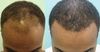
The conversation humorously discusses hair loss and subtle differences in hairlines, with references to Norwood scale stages. It satirizes the idea of asking AI for hair advice.
The conversation discusses using estradiol mesotherapy to replicate hormone replacement therapy results while minimizing systemic exposure. It also covers the use of Spironolactone cream, which reportedly has no systemic side effects, and the potential risks of using bicalutamide and Spironolactone in men.
Hair growth can be induced without stopping DHT, as seen with Minoxidil. HMI115 may work by promoting follicle growth, not targeting the root cause of hair loss (DHT).
The post discusses the potential of GT20029 in treating hair loss, questioning if it will replace finasteride or be used alongside existing treatments. A reply indicates that its role is still uncertain.
The user is treating hair loss with 1mg finasteride every other day, daily topical minoxidil, and weekly derma rolling, and is considering using hair fibers for special occasions. There is a discussion about the initial shedding phase of minoxidil treatment and the importance of consistent photo conditions to track progress.
The conversation discusses a hair loss protocol and compares it to using finasteride and minoxidil. It suggests that while the protocol includes some good advice, it may not surpass the effectiveness of established treatments like finasteride and minoxidil.
The user is experiencing a minoxidil shed after six months of use, noting a significant number of miniaturized hairs compared to mature ones, and has been on finasteride 0.5mg daily for two years with positive results. The user meticulously counts and categorizes shed hairs, sparking reactions ranging from amusement to concern over the level of obsession.
Topical finasteride as a potential alternative to oral finasteride for reducing DHT levels on the scalp with fewer side effects, and other hair loss treatments such as minoxidil.
The user is likely at Norwood level 3 with thinning at the crown and temple recession. Treatments like finasteride or minoxidil are suggested to manage hair loss.
AH-001 is a new topical treatment designed to degrade androgen receptors, targeting the root cause of androgenetic alopecia without the side effects of oral treatments like finasteride. It has shown a strong safety profile and good local tolerability in early trials.
Oral PTD-DBM was discussed as a potential hair loss treatment, but it was deemed ineffective in humans despite promising results in mice. The conversation concluded that trying it without VPA might be unwise.
The post discusses using ImageJ software to objectively track hair regrowth progress. The user is treating Androgen alopecia with dutasteride and minoxidil.
Hair loss discussion includes treatments Minoxidil, Finasteride, and RU58841. HMI 115 shows anecdotal success in Phase I trial, users seek group buy for research chemical.
Many male celebrities and models use treatments like finasteride, dutasteride, and minoxidil to combat hair loss, with some also undergoing hair transplants. These treatments are common and increasingly normalized, with some celebrities openly discussing their use.
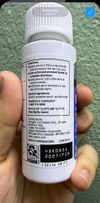
The new Kirkland Minoxidil appears different, being more oily and lacking crystallization, leading to confusion about its authenticity. Users suggest ordering directly from Costco to ensure getting the genuine product.
The conversation is about the potential of SCUBE3 to regrow a juvenile hairline. Specific treatments mentioned include Minoxidil, Finasteride, and RU58841.
A user shared their positive experience with a non-surgical hair replacement system, detailing the purchase and maintenance process, including using Walker Lace Front Support Tape and various adhesives. They found the system secure and undetectable, allowing them to engage in active pursuits without issues.
The conversation is a satirical poem about hair loss, mentioning treatments like Minoxidil, RU58841, hair transplants, and derma rolling. The user also shares their personal regimen, which includes Dutasteride, Finasteride, Minoxidil, Alfatradiol, Stemoxydine, Ketoconazole shampoo, Fluridil, and Cetirizine, along with monthly microneedling.
The post discusses a holistic, bioenergetic approach to hair loss, focusing on diet, exercise, and lifestyle changes rather than traditional treatments like finasteride or minoxidil. Key dietary recommendations include fruits, milk, potatoes, butter, coconut oil, eggs, oysters, liver, and gelatin, along with moderate exercise and lifestyle adjustments to reduce stress.
Hopeful treatments for hair loss, including Verteporfin, Androgen Receptor Degradation, and SCUBE3. These treatments offer potential solutions to slow or stop the effects of androgens on the scalp.
The conversation discusses hair transplants, including the use of techniques like FUE and the importance of a good donor area to avoid visible bald patches. It also touches on alternative treatments like Minoxidil, Finasteride, and Pyrolutimide, and debates the idea of embracing baldness versus seeking treatments.
MCL-1 is important for hair follicle stem cell survival, but its impact on human hair regrowth is unclear. Minoxidil and finasteride are the main treatments, with doubts about new discoveries leading to effective human solutions soon.
Hair loss treatments discussed include Minoxidil, Finasteride, and RU58841. HMI-115, a monoclonal antibody drug, is in phase 1 and 2 trials for different conditions, but its availability on the gray market is unlikely due to high production costs.
Hair regeneration and follicle cloning are considered far from being feasible, with current treatments like finasteride, minoxidil, and hair transplants expected to remain dominant for the next 15-20 years. Some are hopeful that AI advancements might accelerate progress, but many remain skeptical about significant breakthroughs in the near future.
The conversation discusses difficulty in distinguishing between new hair growth and thinning hair at the temples after using microneedling and a rosemary peppermint topical for four weeks. The advice given is to wait a few months to see if the hairs grow out to determine their nature.
The conversation discusses creating a personalized topical treatment for hair loss, with ingredients like finasteride, minoxidil, tretinoin, melatonin, caffeine, and others. Users share their ideal formulations, including combinations of minoxidil, finasteride, tretinoin, adenosine, and other compounds, while also discussing the importance of managing inflammation.
Kintor changed their KX-826 pictures on Amazon after backlash over fake images. Users are skeptical about the product's effectiveness and trustworthiness, with some preferring finasteride instead.
ET-02 (RS 5441) shows promising results for hair growth, performing better in humans than in mice. There is debate over the effectiveness compared to minoxidil, with some users wanting more detailed data.