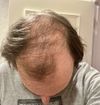
User achieved hair regrowth using 1 mg oral finasteride, topical minoxidil twice daily, and occasional microneedling. They are happy with the progress despite still having thin hair on top.
This conversation discussed the progress of a person who had been using minoxidil, finasteride and Nizoral for almost one year as a treatment for hair loss. Other people suggested adding micro needling to their routine for further improvement.
Someone's two-month progress using oral minoxidil (2.5mg ED) to treat hair loss, which has resulted in thicker eyebrows and eyelashes but no scalp changes or shedding.
Microneedling can promote hair growth, but there is uncertainty about the best practices, including needle length, device, and session frequency. Users discuss using needle lengths between 0.5mm and 1.5mm, with some experiencing pinpoint bleeding, and emphasize the need for more reliable resources and guidelines.
The effectiveness of using dutasteride mesotherapy as a hair loss treatment, with other protocols such as microneedling, vitamin D and B12, zinc, and biotin. The user's results were positive after 4-6 months without any serious side effects.
Saw Palmetto is not effective for hair loss treatment and is not a recommended alternative to finasteride due to its inability to significantly inhibit DHT.
Shampoos are unlikely to cause permanent hair loss; hair loss is more likely due to male pattern baldness (MPB). The user is advised that losing hair in the shower is normal, and to avoid shampoos with sodium sulfate.
The user has been taking oral finasteride and minoxidil for about 8 months and is experiencing increased hair shedding, which is considered normal due to synchronized hair cycles. Despite the shedding, the user has seen significant hair regrowth and is advised to continue the treatment as the shedding should subside.
PP405, a potential hair loss treatment, is facing delays in releasing Phase 2 results, causing frustration among users who compare it to past failed treatments. Despite skepticism, some remain hopeful about PP405's future, while others discuss alternative treatments like Clascoterone and its expected market release.
The user is frustrated with hair loss treatments like finasteride, minoxidil, dutasteride, and oral minoxidil, which have been ineffective and caused scalp itching. They are skeptical about these treatments' effectiveness and consider alternative options like ketoconazole shampoo and RU58841.
The user is experiencing significant hair loss and is considering treatments like minoxidil, finasteride, and possibly a hair transplant. They are advised to consult a dermatologist and consider oral minoxidil and dutasteride, while being aware of potential side effects and the need for ongoing treatment.
A dermatologist advised stopping finasteride after 3-6 months, but many users disagreed, stating it should be used indefinitely to maintain hair. Users recommended finding a new dermatologist due to the perceived misinformation.
Hair loss greatly affects mental health and social life for young men. Treatments like finasteride, minoxidil, and hair transplants are common, with mixed success and ongoing self-esteem challenges.
Hair loss is less common now due to accessible treatments like finasteride, minoxidil, and hair transplants. Improved hair care, skincare, and lifestyle changes contribute to people looking younger today.
The conversation discusses hair loss and the potential impact of diet and lifestyle changes, particularly increased protein intake, on hair health. The original poster shared their experience of improved hair appearance after weight loss and dietary changes, despite skepticism from others about lighting differences in photos and the effectiveness of diet alone without finasteride or minoxidil.
Switching generic finasteride manufacturers can reduce side effects while maintaining effectiveness. Different fillers in generics may affect bioavailability and cause varying side effects.
A 30-year-old man shared his positive experience with hair regrowth using Regenera Activ, topical Dutasteride, Minoxidil, and PRP over 12 weeks. He plans to continue with injectable Dutasteride and emphasizes the importance of starting treatment early to combat hair loss.
Oral minoxidil is gaining popularity due to increased awareness and convenience, despite potential side effects like cardiac issues and unwanted hair growth. Users report mixed results, with some seeing significant regrowth and others experiencing side effects or minimal improvement.
Concerns about the long-term effects of dutasteride and finasteride on fertility, with discussions on cycling these medications to mitigate risks. The conversation highlights skepticism about study methodologies and the importance of weighing treatment risks against potential fertility issues.
Hair loss negatively affects mental health, causing anxiety and depression. Minoxidil and finasteride are discussed as treatments, but side effects and mental health concerns remain.
Low-dose oral minoxidil is a safe and effective hair loss treatment with fewer side effects than previously feared. Users often prefer it over topical minoxidil for better results, though some experience side effects like increased body hair and cardiovascular issues.
Bald men can still attract partners, as personality and confidence often outweigh hair loss. Treatments like finasteride and minoxidil are used, but self-acceptance and personal satisfaction are key.
Hair loss is emotionally challenging, but acceptance and focusing on other life aspects are important. Treatments like finasteride, minoxidil, and RU58841 are discussed, with emphasis on the emotional impact over physical changes.
The FDA warned that topical finasteride can cause serious side effects like sexual dysfunction and brain fog, similar to oral finasteride. Compounded topical formulations pose additional risks due to lack of regulation.
Creatine may worsen hair loss in some, especially with androgenic alopecia, but evidence is mixed. Some users experience no hair loss when using creatine with minoxidil and finasteride, while others notice increased shedding.
The user experienced worsening hair loss despite using oral minoxidil, finasteride, and topical minoxidil for nine months. They are considering switching to dutasteride and reducing ketoconazole shampoo due to its drying effects.
The user has used minoxidil for five years and added microneedling for four weeks without seeing results. They are considering a hair transplant but are advised that hair loss will persist without a DHT blocker.
Hair loss treatments like finasteride, minoxidil, and dutasteride require patience, as they can take months or years to show results, with initial shedding being common. Consistency is key, and unnecessary supplements should be avoided to prevent stress and impatience from worsening the situation.
A man in his thirties found increased confidence after shaving his head, despite years of hair loss. Others discussed using treatments like finasteride, minoxidil, and hair transplants, with mixed opinions on their effectiveness.
A person in their 20s is struggling with hair loss, using treatments like minoxidil and finasteride. Suggestions include self-improvement, therapy, hair transplants, and focusing on acceptance and confidence.