Hair growth can be induced without stopping DHT, as seen with Minoxidil. HMI115 may work by promoting follicle growth, not targeting the root cause of hair loss (DHT).
User is using minoxidil with tretinoin 0.025% and experiencing peeling and burning on the scalp. They are unsure if it's effective or if they are using it too frequently.
User discusses Eucapil for hair loss treatment and asks if it helps with itchy scalp. People share their experiences and results, including maintenance or slight improvement.
The user switched from finasteride to dutasteride due to side effects and is experiencing fewer side effects with dutasteride, though some scalp itching has occurred. Blood tests show elevated testosterone and estrogen, low DHT, and normal liver and cholesterol levels, leading the user to feel confident in the long-term benefits of dutasteride for hair regrowth.
The user is frustrated with dermatologists who dismiss Minoxidil and finasteride as unsafe, instead recommending mustard oil, PRP, zinc supplements, and hair products. The user feels these suggestions are ineffective and is considering starting Minoxidil and finasteride despite the dermatologists' advice.
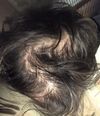
Hair loss has slowed, but uneven growth and kinking persist despite using keto/nizoral shampoo and clotrimazole. Stress and anxiety might be contributing factors.
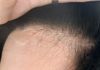
The conversation is about analyzing receded temple closeups for signs of fibrosis, scarring, or androgenetic alopecia (AGA). Specific treatments like Minoxidil, finasteride, or RU58841 are not mentioned in the conversation.
A user experienced increased hair fall after switching from a minoxidil, tretinoin, and azelaic acid combo to minoxidil only. They are concerned if the shedding is normal or due to stopping tretinoin and azelaic acid.
A 20-year-old male experiencing hair loss is using finasteride for 8 months and is considering a digital perm but is concerned about potential hair damage, especially at the thinning hairline. Advice given includes continuing finasteride, using gentle hair products, and possibly trying topical minoxidil or CBD cream for scalp care.
L-arginine may worsen hair loss by potentially increasing testosterone levels, especially in those with a DHT-sensitive gene. Users discuss the effects of increased nitric oxide on hair loss and consider stopping supplements like zinc and l-arginine to see if hair conditions improve.
The user stopped using finasteride after two weeks due to gynecomastia symptoms and shared blood work results questioning if they indicate a cause for the side effects. The user is considering restarting finasteride and seeking advice on their blood work levels in relation to gynecomastia.
A user experienced severe side effects from using topical minoxidil sublingually, including muscle cramps, dizziness, and high potassium levels. They were advised to stop and seek medical help, emphasizing that topical minoxidil is not safe for ingestion due to its alcohol content.
TE (telogen effluvium) is often misunderstood and is triggered by severe stress or trauma, not minor daily inconveniences. Most hair loss cases are due to male pattern baldness (AGA), and treatments like Minoxidil and finasteride can help.
A 30-year-old man with diffuse hair thinning shared his hair regrowth regimen, which includes increasing Vitamin D intake, taking oral castor oil, using a dermapen, and various supplements like Glycine, K2, Vitamin E, Vitamin C, Aspirin, Sodium Bicarbonate, and a multivitamin. He also mentioned inconsistent use of Minoxidil, Peppermint Oil, Zix, and topical Castor Oil, and negative side effects from Finasteride, RU58841, and Nizoral.
The user shared impressive hair regrowth results after 1.5 years using dutasteride (DUT) and oral minoxidil. They switched from finasteride and topical minoxidil due to lack of results and experienced no side effects.
The user improved diffuse thinning without finasteride by using minoxidil foam, cold showers, gentle hair drying, 2% ketoconazole, sulfate-free tea tree oil shampoo, dermastamping, and supplements like Omega-3, Vitamin-D, Biotin, Keratin, Collagen, B3, Zinc, and Magnesium. The regimen was followed for about six months under dermatologist guidance.
A 19-year-old male switched from finasteride and minoxidil to dutasteride due to continued hair thinning and is experiencing increased nipple sensitivity and a small lump, raising concerns about gynecomastia. Suggestions include slowing the transition, checking hormone levels, and considering an aromatase inhibitor.
A user experienced a burning, itchy scalp and hair thinning despite trying finasteride, steroid cream, antihistamines, various shampoos, and supplements. They seek advice on relieving the itch, hoping it will improve hair health.
The user is experiencing significant hair loss after switching from finasteride to dutasteride for five months. Suggestions include that the hair loss might be a normal shedding phase, with some recommending continuing the treatment for up to 24 months or considering alternatives like RU58841.
Jericho1017 shared their hair regrowth results after nearly 3 years using 1mg finasteride and 10,000mcg biotin daily, with noticeable improvement after 1.5 years and no significant side effects except for watery semen. Some users suggested adding minoxidil and microneedling to improve results, but Jericho1017 is currently content with their progress and not looking to add more treatments.
A user's experience with hair loss treatments, specifically finasteride and dutasteride; how the user experienced prolonged worsening of their hair despite taking both medications; and finally, that this story is consistent with other experiences.
Quercetin might help with hair loss by inhibiting HSP-70, which increases androgen receptors. Concerns include its staining properties and unclear topical absorption.
Hair loss treatment involves gland treatment with iodine, liver extract, wild American ginseng, and black cohosh, along with crude oil scalp massage. The approach aims to stimulate hormones and improve blood circulation to promote hair growth.
A user struggles with male pattern baldness and a persistent tingling itch on their crown, trying various treatments like aloe vera, tea tree oil, and Nizoral without success. Another user suggests the itch might be psychosomatic, linked to worrying about hair loss.
The user is experiencing white flakes on their scalp despite using anti-dandruff shampoos and oils for six weeks. A suggestion was made to try ketoconazole at higher concentrations, as it might be seborrheic dermatitis, which can lead to hair loss if untreated.
The conversation discusses hair loss treatment using finasteride, minoxidil chews, 0.5 dermarolling, 2% ketoconazole, and a silk bonnet. The user reports positive progress and plans to continue the regimen.
A 23-year-old male experienced nipple sensitivity after taking 0.5 mg finasteride for 2.5 months, with blood tests showing increased testosterone and estrogen levels. He stopped finasteride temporarily and seeks advice to prevent gynecomastia.
A user describes using a Dermastamp for microneedling their scalp, noting a crunching sound when pressing it firmly. Another user suggests the crunching might be from breaking up scalp calcification.