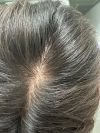
Dutasteride can drastically reduce sebum production, leading to dryer hair and shedding. Alternating shampoos and periodic silica supplementation can improve hair quality and thickness.
A 25-year-old man with hair loss from bleach damage is using oral minoxidil and considering adding Dutasteride for better regrowth and prevention. He seeks advice on Dutasteride's effectiveness and potential benefits over finasteride, and is also curious about RU58841.
The conversation discusses hair shedding while using 0.5 mg dutasteride daily for 8.5 months, with users sharing experiences of shedding various hair lengths and thicknesses. It is suggested that shedding can be part of the hair cycle synchronization and may not indicate worsening hair loss.
The user is experiencing early hair thinning and is currently using finasteride and ketoconazole shampoo. They are considering adding minoxidil or switching to dutasteride for stronger DHT suppression, while also checking for iron deficiency.
The conversation discusses the effectiveness of anti-androgens for hair loss, with a preference for topical treatments like RU58841 over oral options due to better scalp concentration and fewer side effects. Topical finasteride at 0.1% may provide some results, especially when combined with a topical androgen receptor antagonist like RU58841.
The user has been using a treatment of 0.1% topical finasteride, 5% minoxidil, dermastamping, and vitamin D3 supplements for 85 days and is seeing good progress. Other users note the effectiveness of topical finasteride despite it being less potent.
The conversation is about someone asking for experiences with hair regrowth using a topical solution containing 0.1% dutasteride, minoxidil, tretinoin, melatonin, and biotin. They want to know if others have had success with a similar treatment without combining it with finasteride or other antiandrogens.
A user shared 3 months of progress using daily Dutasteride 0.5mg and Minoxidil 5mg, with Dutasteride mesotherapy every 4 months. They prefer not to use additional treatments for now.
The user continues to experience hair loss despite using dutasteride 2.5mg, minoxidil 5mg, and ciclopirox shampoo, and plans to reassess after one year. Others report similar issues with dutasteride, with some switching to finasteride or adding RU58841.
The user has been using finasteride for over a year and noticed short, prickly hairs on their scalp that don't grow like the rest of their hair. Despite losing about 40 short hairs when washing, their overall hair density hasn't decreased.
Switching from finasteride to dutasteride led to significant hair thinning and receding for the user, despite using topical minoxidil daily. Many users suggest that shedding is common with dutasteride, but some recommend returning to finasteride if no improvement is seen after a year.
The user is managing hair loss with oral finasteride, recently switching to dutasteride, and topical minoxidil, but faces challenges due to seborrheic dermatitis. They seek advice on effective regrowth methods that don't worsen their condition, with suggestions including various shampoos like Vichy Dercos and ketoconazole.
The conversation is about a user who had a hair transplant with 2,850 grafts and switched from finasteride and topical minoxidil to oral minoxidil and dutasteride for better results. They are hopeful for full results in a year.
The user experienced initial hair improvement with finasteride but noticed worsening hair loss after switching to dutasteride. They are considering returning to finasteride due to persistent hair shedding and scalp itch.
User with shoulder-length hair using Finasteride for 5 weeks notices less long hair loss but more short hair loss. They also use keto for sebderm and vitamin D3.
Using a microdose of finasteride on the scalp with minoxidil as a carrier may have positive effects with minimal side effects. The user is also considering the effects of sulforaphane or broccoli sprouts on hair loss.
Concerns about the impact of hair loss treatments like finasteride on fertility and future children. The user is worried about reduced sperm count and quality due to lowered DHT levels.
A 23-year-old with hair loss uses finasteride, minoxidil, and other treatments, considering adding dutasteride due to hairline recession. They seek advice on dutasteride's effectiveness and sourcing.
The user shared their hair regrowth journey using treatments like dutasteride, minoxidil, microneedling, tretinoin, Nizoral, silica, biotin, and hormone replacement therapy (HRT) with cyproterone and estradiol. They reported substantial hairline improvement and some crown thinning, with hopes for further progress.
The user shared their 8-week hair regrowth progress using 0.5mg dutasteride, twice-daily topical minoxidil, and weekly 1.5mm microneedling. They noted visible improvement, though some users suggested reducing microneedling depth to avoid potential scalp damage.
The conversation discusses whether creatine causes hair loss for those using finasteride or dutasteride, with some suggesting creatine might increase DHT or upregulate androgen receptors, potentially leading to hair loss. Others argue the evidence is not conclusive, citing limited studies and personal anecdotes, with some avoiding creatine as a precaution.
The conversation is about the role of testosterone in hair loss and the effectiveness of different treatments. The conclusion is that DHT is the main culprit for hair loss, and finasteride has been proven to work long-term in maintaining and regrowing hair. Testosterone may have a minor effect, but it is not the primary cause of hair loss.
User switched from finasteride and minoxidil to dutasteride, experienced side effects, then took dutasteride once a week with improved hair density. Another user had success with daily dutasteride, while one had no results from topical dutasteride.
The user had a hair transplant and uses oral minoxidil, a red laser therapy helmet, fish oil, collagen, and sardines for hair thinning but avoids finasteride due to side effect concerns. Many suggest these methods may not be effective long-term without a DHT blocker.
The user is exploring alternatives to hair transplants due to a weak donor area and is currently using finasteride, minoxidil, dermapen, low-level laser therapy, Nizoral shampoo, and a high-protein diet. They plan to switch to dutasteride and consider adding RU58841, while rejecting hair systems and considering a buzz cut.
The conversation discusses whether individuals using hair loss treatments like Dutasteride (Dut) or Finasteride (Fin) should regularly check their hormone levels through bloodwork. Some argue it's important to monitor the effects of these medications on hormone levels, while others believe it's unnecessary if there are no side effects, citing cost and practicality concerns.