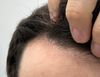
User discusses using C60 serum with microneedling at 1.75mm and asks if it's safe. Current routine includes daily Pyril on temples, weekly microneedling, and C60 serum on non-Pyril days.
Clascoterone 5% solution is not yet commercially available, with only the 1% solution currently sold for acne. Users discuss the potential of Clascoterone as a hair loss treatment, comparing it to other anti-androgens like RU58841 and Eucapil.
User discusses Eucapil for hair loss treatment and asks if it helps with itchy scalp. People share their experiences and results, including maintenance or slight improvement.
A gel of keratin microspheres promotes hair follicle growth, showing similar effectiveness to minoxidil in mice. The treatment activates hair growth pathways and reduces inflammation, with potential applications in drug delivery for hair-related disorders.
Applying Epidermal Growth Factor (EGF) topically may improve skin and potentially promote scalp health and hair growth, especially after microneedling. The user shares their positive experience with EGF and provides a product link.
The conversation discusses a patent filed by Shiseido for cloning Dermal Papilla (DP) cells to treat hair loss. The method involves using viral vectors to maintain the cells' growth-inducing properties, differing from Replicel's approach with Dermal Sheath Cup (DSC) cells.
Microneedling once a week at 1mm caused bumps, possibly scars, in the treated area. The user is considering cleaning the skin before microneedling to prevent this issue.
OP injured their temple using derma rolling and tretinoin, causing peeling and potential hair follicle damage. Users suggest the injury might be permanent, possibly resulting in scar tissue where hair won't grow.
The conversation discusses preventing infection from derma stamping for hair loss treatment, with suggestions to reduce needle depth and consider alternatives like tretinoin. The user experienced irritation possibly from zinc chloride and stopped using the shampoo and derma stamping.
User ItchyRaccoon experienced significant hair loss reduction using Eucapil after trying low-dose topical finasteride with no results. Some replies mention that shed hair counts are not reliable indicators of hair loss progression or regression.
The user is experiencing new hair growth after using oral dutasteride, topical minoxidil, and microneedling, but is concerned about black dots on the hairline, which might be clogged pores or dormant follicles. The user previously used a topical minoxidil/finasteride spray and had good results, despite a shedding phase after switching treatments.
Ell-Cranell and Eucapil are discussed as hair loss treatments, with Ell-Cranell being a weak estrogen and DHT inhibitor that may reduce hair loss without systemic side effects. Alfatradiol is the active ingredient in these products.
The discussion is about using ASCEplus HRLB exosomes for hair loss treatment, which combines 10 billion exosomes with growth factors, nutrients, biotin, and copper tripeptide. The treatment is expensive and typically administered via scalp injections, but in Europe, it's done with microneedling.
The user is experiencing hair loss and has been using treatments like minoxidil, finasteride, and ciclopirox olamine. Despite these treatments, they are concerned about increased shedding, dandruff, and possible additional hair loss conditions.
A healthy scalp barrier is crucial for hair growth, and ceramides may play a key role in maintaining it. The conversation suggests that focusing on scalp health, alongside treatments like Minoxidil, Finasteride, and RU58841, could improve hair follicle health.
The user is struggling with seborrheic dermatitis and plans to try ciclopirox olamine after finding ketoconazole too drying. They are also using finasteride daily.
The conversation is about a female experiencing hair loss and seeking advice on why it's difficult to regrow hair. Specific treatments like Minoxidil, finasteride, or RU58841 are not mentioned.
Tretinoin and microneedling both enhance hair growth through different mechanisms, with microneedling being considered safe for long-term use. Optimal microneedling needle length varies, but 0.8 mm is suggested for hair growth, and a Dermastamp is recommended to avoid skin damage.
The conversation discusses using ketoconazole, an anti-androgen, for hair loss and whether mesotherapy with dermarolling could enhance its absorption into the scalp. The user questions if the typical 2% ketoconazole shampoo dose would be effective when used after dermarolling to target androgen receptors in the scalp.
Increased Malassezia and Cutibacterium in the scalp microbiome are linked to higher sebum production and inflammation in androgenetic alopecia (AGA). Treatments include ciclopirox shampoo, benzoyl peroxide shampoo, clobetasol propionate, calcipotriol, minoxidil, finasteride, and dutasteride.
Ethosomes are suggested as an effective delivery method for topical finasteride solutions, requiring the addition of a phospholipid like soya lecithins. The user questions why do-it-yourself solutions don't commonly use ethosomes despite their potential benefits.
Clascoterone cream can be used on the scalp, but it may not be effective due to its dosage. AR antagonists like clascoterone are generally less effective than 5AR inhibitors for hair loss.
Microneedling at depths greater than 0.6 mm may damage miniaturized hair follicles, with 0.5 mm showing better results for hair regrowth. Combining microneedling with minoxidil enhances absorption, but caution is advised to avoid damaging follicles.
The user experienced severe hair loss, itchy scalp, and skin issues after trying no-shampoo, and wonders if it's male pattern baldness or an immune issue. They have a history of eczema, dermatitis, and jock itch, and have tried various treatments like coconut oil, peppermint, pumpkin seed, and onion.
The conversation discusses the lack of clinical studies on cysteine alone for hair loss, with the original poster already using medications like Minoxidil and finasteride. Suggestions include trying 2ddr as a growth stimulant, though concerns about side effects like gas are mentioned.
Exploring the idea of transplanting miniaturized hair follicles to healthier areas to potentially reverse hair loss, with concerns about DHT sensitivity and scar tissue formation. The conversation also humorously considers using mice for hair growth experiments.
Clascoterone is seen as a promising topical treatment for hair loss, similar to finasteride but without side effects, though concerns exist about its long-term effectiveness. Other treatments discussed include topical minoxidil, ketoconazole, microneedling, and oral options like dutasteride and minoxidil.
The user has been using topical finasteride and minoxidil for two years with decent regrowth and recently added microneedling to their routine. They are questioning if the small hairs observed are new regrowth from microneedling or just vellus or miniaturized hairs.