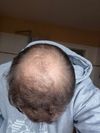
The conversation is about using micro needling and PTD-DBM for hair loss treatment. The user applies PTD-DBM drops on weekdays and performs micro needling weekly.
A 31-year-old man with a long history of hair care is considering a hair transplant and is worried about using Finasteride and Minoxidil due to potential side effects. He seeks advice on whether to start Finasteride before or after a transplant and how to test for sensitivity to these treatments.
A 20-year-old using 1 mg finasteride, 2 ml topical minoxidil, tretinoin, and microneedling for hair loss shows progress after three months, with thicker hair and temple regrowth. No side effects reported, and the user is considering switching to oral minoxidil.
A 28-year-old shared surprising hair regrowth progress after 20 days using topical minoxidil, micro needling, GHK-cu, and BPC-157 injections. The user noted a significant reduction in their bald spot and overall hair improvement.
The conversation discusses concerns that Anagenic's version of GT20029 might not be as effective or safe as Kintor's, with comparisons to issues faced by pyrilutamide. The chemical structure of the drug has been published.
The conversation is about a 25-year-old considering whether to start using hair loss treatments like Minoxidil, finasteride, or RU58841, or to shave his head. He is seeking advice due to his family history of baldness.
A 23-year-old is experiencing hair that is thick at the ends but thin at the roots despite using minoxidil and finasteride for 10 months. They are concerned about whether this is normal or a sign of miniaturization and seek advice on reversing or improving the condition.
A 17-year-old is concerned about hair thinning and unable to see a dermatologist for a year. They are advised to consider using topical minoxidil and possibly finasteride in the future.
A 28 year old male experiencing diffuse thinning, chronic dandruff and scalp crust (seborrheic dermatitis), with replies discussing the use of topical fin for hormone imbalances and Nizoral for seb derm.
The conversation revolves around how balding has made the original poster and others hyper-aware of other men's hairlines, often judging the severity of their hair loss and whether they've had treatments like hair transplants, minoxidil, or finasteride. Some participants express a need for therapy due to their obsession, while others joke about their newfound "expertise" in assessing hair loss.
Finasteride was intentionally developed to treat BPH and later approved for male pattern baldness (MPB) due to its 5AR inhibition effects. The delay in MPB approval was due to concerns about off-label use for female hirsutism and the prioritization of treating a more debilitating condition.
A user is concerned about low hair density 12 months after a hair transplant and is not using finasteride or minoxidil, only taking biotin. They are seeking advice on whether this is normal, if starting medication now would help, and when to consider a second procedure.
Male androgenetic alopecia is commonly treated with topical minoxidil and oral finasteride, both requiring continuous use. Other options include hair restoration surgery, dutasteride, light therapy, and camouflaging agents.
The user has been using a combination spray with 0.1% finasteride, 5% minoxidil, and tretinoin for over a year but feels their hairline has worsened. They are considering increasing the concentration of finasteride and adding 5% minoxidil once a day, while another user suggests trying oral finasteride for potentially better results.
A 22-year-old had a 3,500 graft hair transplant to restore his original hairline and improve density, while using dutasteride and oral minoxidil to manage hair loss. He believes being proactive with medication prevented further loss and allowed for a successful transplant.
The conversation discusses that dutasteride may be more effective than finasteride for frontal hair loss due to higher 5ar Type 1 enzyme activity in that area. Some users question the validity of this information, while others confirm it with additional sources.
A 25-year-old male has been using 0.5mg dutasteride and 5mg minoxidil for 1.6 years to treat diffuse thinning, with significant hair regrowth except for the hairline. He plans to get a hair transplant for further improvement and reports no side effects from the treatment.
Recruitment for a verteporfin trial and a separate hair cloning trial using verteporfin and other methods is underway, with locations in Jordan, NYC, Beverly Hills, and Memphis. Dr. Bloxham is conducting the hair cloning trial, and interested participants are encouraged to contact him directly.
A 33-year-old male with a receding hairline is advised to start with finasteride to block DHT and consider minoxidil for promoting hair growth. Other treatments like copper peptides and serums are deemed less effective, and ketoconazole shampoo is suggested for scalp health.
A 35 year old male who has seen good results from Finasteride and microneedling, with minimal side effects. Replies to the post ask about the device used for microneedling, discuss the progress made, and offer encouragement.
User "Ant1pal" shares progress pictures of hair regrowth using Minoxidil, Estradiol valerate, and Spironolactone. Users discuss potential side effects and the possibility of localizing estrogen to hair follicles for better treatment.
The user is using oral and topical minoxidil, finasteride, dutasteride, and considering adding rosemary and pumpkin saw palmetto to their regimen. They report significant hair growth, especially with dutasteride, and are considering increasing their dose and adding RU58841.
Using liposomal solutions with dutasteride, minoxidil, and tretinoin worsened hair loss due to buildup and scalp issues. Consulting a professional and returning to simpler treatments like finasteride and minoxidil improved the situation.
The user has been on finasteride for 5-6 years but is experiencing diffuse thinning and considering adding minoxidil. They are cautious about increasing the finasteride dosage due to side effects and are exploring if minoxidil can help when finasteride's effectiveness decreases.
A user shared their positive experience with a 2200 graft FUE hair transplant at DiStefano Hair Restoration in Worcester, MA, praising Dr. Heinis and his staff for their care. The user is also using oral Dutasteride, topical Minoxidil, and vitamins D and B.
Combining finasteride with minoxidil and tretinoin is discussed, with concerns about potential overdose. It is suggested that high doses of finasteride do not provide additional benefits beyond 1 mg.
A 21-year-old male shared progress pictures after 6 months of using 1mg finasteride daily, reporting no side effects and noticeable improvement. The user got finasteride prescribed and did not mention using it in combination with minoxidil.
Microneedling the scalp can cause sneezing, runny nose, and watery eyes due to nerve stimulation, histamine release, reflex actions, or sinus relief. Several users experience similar symptoms.
A 41-year-old doctor shared his positive experience with a 4,100 graft hair transplant, highlighting the importance of a skilled doctor for a natural hairline. He mentioned a confidence boost and the occasional use of finasteride post-transplant.
A user shared their successful hair transplant experience from Medart Hair Istanbul, where they received 4500 grafts and are pleased with the natural results. They also use finasteride and minoxidil in an all-in-one pill to maintain their hair.