The conversation discusses using latanoprost for hair loss treatment. Participants also mention Minoxidil, finasteride, and RU58841 as other treatments.
The efficacy of degrading the androgen receptor through dermal application in DP cells, a delivery system for topical drugs that involves dissolving microneedles, and rosemary oil as an alternative anti-androgen.
The conversation is about making topical finasteride using stemoxydine as a carrier. The user is considering buying Redken Cerafill Hair Re-Densifying Treatment (Stemoxydine) 90ml for this purpose.
The conversation discusses using topical synthetic prostaglandins like Bimatoprost, Latanoprost, and cetirizine for hair growth. The user shares a link suggesting these treatments may be effective.
A questionable paper which suggests that 5% topical spironolactone is more effective than 0.1% topical finasteride for treating hair loss. It should be taken with a grain of salt due to the journal it was published in.
A Swiss product called Redensyl, which is supposed to target hair follicle stem cells and has recently been marketed in Europe. The post inquires if anyone has had any experience with the product.
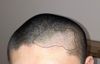
A topical treatment called 1961, containing multiple products, is discussed for its compatibility with finasteride. It is suggested that 1961 does not negatively affect finasteride's effectiveness and may even enhance its absorption.
The user experienced hair loss possibly due to scalp damage and tried natural treatments with limited success. They reported noticeable hair thickening after using a laser treatment device, suggesting it may be effective, especially for those on finasteride.
Topical dutasteride with microneedling and mesotherapy dutasteride injections are effective treatments for androgenetic alopecia in both men and women. These methods offer promising alternatives to oral therapies with potentially fewer systemic side effects.
The conversation discusses the potential of new hair loss treatments, with a focus on pyrilutamide, gt20029, and topical alfatradiol, and the possibility of improving their effectiveness through methods like increased concentration and microneedling. Dutasteride is also mentioned as a stronger option.
Corticosterone inhibits GAS6, affecting hair follicle stem-cell activity, with potential implications for stress-related hair loss. Ashwagandha and Vitamin K are suggested for reducing cortisol, but their effectiveness is debated.
A 12-year-old diagnosed with alopecia shares their experience and current treatments, including Dermovate, an unnamed cream, and liquid iron. The community offers support and encouragement.
The conversation is about a female experiencing hair loss and seeking advice on why it's difficult to regrow hair. Specific treatments like Minoxidil, finasteride, or RU58841 are not mentioned.
Clascoterone 5% solution showed a 539% improvement in hair count compared to placebo, but the actual increase in hair growth is minimal. Users express skepticism about the effectiveness of hair loss treatments.
The user is asking if using a 10% fluridil formulation would be effective for blocking scalp androgens in addition to their current treatment of oral dutasteride.
The user had been using Minoxidil and Dutasteride with micro-needling but experienced hair loss after switching Minoxidil brands. Their doctor prescribed oral Minoxidil and Tretinoin, but the pharmacist suggested isotretinoin might be a more cost-effective alternative.
Using retinol with minoxidil may not be as effective as tretinoin, but retinaldehyde or adapalene could be alternatives. A micro-roller with minoxidil is suggested for better results.
The conversation discusses hair regrowth using 0.1% finasteride, 5% minoxidil, 1% retinoid, weekly microneedling, and red light therapy, with noticeable improvement in a short time. One person is curious about the retinoid application process when used with minoxidil.
The user is seeking advice on a hair loss treatment called Ell Cranell, which contains Alfatradiol. Another user shared information from a study stating that Alfatradiol only slows down or stabilizes hair loss, but does not increase hair density or thickness.
The conversation discusses using minoxidil and tretinoin for hair loss, with advice on microneedling and topical application timing. Users share experiences with additional treatments like melatonin, spironolactone, and microneedling techniques.
The conversation discusses affordable low-level light therapy (LLLT) products for hair loss, with users debating the effectiveness of red LEDs versus lasers. The original poster is already using finasteride, minoxidil, ketoconazole, and microneedling, and is seeking budget-friendly LLLT options to add to their regimen.
The conversation discusses hair loss treatment using daily topical minoxidil and finasteride, daily 0.5mm dermarolling before application, and 2% ketoconazole shampoo three times a week. Users believe dermarolling enhances the absorption of the treatments and expect significant improvements over time.
Clascoterone 5% solution shows strong potential for hair growth, offering a new treatment for alopecia with minimal side effects. It blocks androgen receptors locally and may be available by late 2026 or early 2027.
Topical spironolactone is discussed for hair loss treatment, with mentions of DIY solutions and dermatologist compounding. Users inquire about regrowth and sourcing the treatment.
The conversation is about choosing an additional topical treatment for hair loss, with options being fluridil, topical spiro, or alfatradiol, alongside existing treatments like dutasteride, oral minoxidil, latanoprost, and RU58841. Opinions vary on the effectiveness of adding these topicals, with some suggesting RU58841 is sufficient.
Microneedling combined with tretinoin is discussed for its effectiveness in treating hair loss. Minoxidil, finasteride, and RU58841 are also mentioned as potential treatments.
Cetirizine 1% cream significantly improves hair growth and thickness in men with androgenic alopecia. It is considered effective, affordable, and has a low side effect profile.
Creating a liposomal gel with Pyrilutamide for hair loss to reduce systemic effects, similar to Xyon's gel. The discussion includes concerns about ingredient sourcing and the benefits of targeted topical treatments.
