Concerns about CosmeRNA safety mechanisms and potential side effects. Discussion includes comparisons to Fluridil and questions about nanoparticle specificity and siRNA stability.
Sulforaphane, found in broccoli sprouts, promotes hair growth by degrading DHT. Users discuss its potential benefits and joke about unconventional application methods.
ET-02, a new hair loss treatment, shows promising results with a 6-fold increase in hair count, potentially outperforming minoxidil by activating stem cells in hair follicles. Further trials are ongoing to confirm its efficacy and safety, with potential market release in the future.
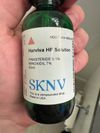
Using topical finasteride alongside oral finasteride likely won't provide significant benefits and may increase the risk of side effects. The "4-in-1" spray offers a higher minoxidil concentration but may not be worth switching if oral finasteride is well-tolerated.
Various hair growth treatments were discussed, including microneedling, bimatoprost, setipiprant, stemoxydine, PGE2, CB-03-01, WNT Beta-Catenin upregulators, KY19382, topical estrogen, IGF-1, GH, MK-677, oral castor oil, fisetin, resveratrol, cetrizine, and lactic acid. Users shared experiences and sources for these treatments, with some expressing interest in topical solutions and others noting the lack of FDA approval or scientific evidence for certain options.
A 30-year-old male switched from finasteride to a combination of dutasteride, oral minoxidil, and RU58841, achieving significant hair growth without side effects. He plans to add GHK-Cu peptide to his regimen for further improvement.
The new Kirkland Minoxidil appears different, being more oily and lacking crystallization, leading to confusion about its authenticity. Users suggest ordering directly from Costco to ensure getting the genuine product.
Kintor Pharma successfully dosed the first patient in a Phase II trial for KX-826 for acne vulgaris. Users are more interested in results for male pattern baldness (MPB).
The user is observing potential hair regrowth at day 46 using 1mg oral finasteride, 2.5mg oral minoxidil, 5% topical minoxidil, biotin, vitamin D, fish oil, and weekly dermal rolling. They are optimistic about the results despite skepticism from others.
Finasteride and Dutasteride block DHT, which is needed for vellus hair to become terminal on the beard but not on the scalp. The user considered using DHT cream but learned it's unnecessary for scalp hair.
A user is considering switching from oral to topical finasteride to reduce systemic DHT impact and is exploring ethossomal finasteride for better skin penetration and potential hair regrowth. They found ethossomal finasteride in Brazil and are seeking opinions on its effectiveness compared to other topical delivery methods.
The user aims to achieve a hypertrichosis look and has used topical Minoxidil for 20 years, now trying oral Minoxidil in a low dose. They seek alternatives to Minoxidil to avoid side effects.
A user from Iran reports hair growth in bald spots after using a domestic tonic containing Anageline, Trichogen, Aminexil, Caffeine, Saw Palmetto, and B vitamins, alongside Finasteride, but without Minoxidil. They prefer the tonic over Minoxidil as it doesn't make their hair greasy or cause hair fall.
The conversation is about someone seeking information on long-term users of CB-03-01 for hair loss, having experienced negative side effects from finasteride and facing rapid hair thinning.
Dutasteride in semen is considered a very small risk for partners, and fertility typically improves after stopping the medication. It is recommended to stop Dutasteride 3-6 months before trying to conceive to avoid potential impacts on fertility and fetal development.
B-complex vitamins may improve hair appearance but have limited impact on hair loss. Some users also use minoxidil and finasteride for hair loss treatment.
Minoxidil may cause facial aging or wrinkles, though opinions vary. Some users report side effects like dark circles and facial bloating, while others attribute changes to genetics or other factors.
Hair loss discussion includes treatments like Minoxidil, Finasteride, and RU58841. Users share experiences and support, mentioning that many people face hair thinning.
Minoxidil may inhibit collagen synthesis at high concentrations, with anecdotal reports of skin aging but limited research. Dermatologists and other specialists show little interest in studying minoxidil's side effects.
The efficacy of degrading the androgen receptor through dermal application in DP cells, a delivery system for topical drugs that involves dissolving microneedles, and rosemary oil as an alternative anti-androgen.
Finasteride and Dutasteride do not cause dry eyes by damaging meibomian glands, as these glands continue to function normally even when DHT is blocked. Some users report dry eyes with these medications, but others suggest supplements like Omega-3 or krill oil as potential remedies.
The user has been using oral finasteride and minoxidil for 1.5 years with some crown improvement but still experiences thin hair and a receding hairline. They are considering switching to dutasteride for potentially better results, while others suggest adding topical minoxidil back into the routine.
The user has been using finasteride inconsistently for 2 years and minoxidil for 6 months without seeing hair growth. They are considering switching to dutasteride and restarting minoxidil to address thinning at the right temple, with advice suggesting consistent use for better results.
The conversation discusses using Morr F Aqua, an alcohol-free version of Minoxidil, for hair loss, particularly for someone with dandruff issues. The user is considering if this product is suitable for their condition.
The conversation discusses the potential of verteporfin in treating hair loss, with some users reporting positive results and speculating that it could lead to a cure for baldness. Others are skeptical, and there's a debate on the effectiveness of verteporfin for regrowing hair and reducing transplant scars.
A user experienced no hair regrowth after using oral minoxidil, topical finasteride, minoxidil, and tretinoin, and reported side effects from oral finasteride. They are considering switching to dutasteride or using hair fibers for better results.
Dutasteride mesotherapy, an injection treatment for hair loss done monthly, is discussed as an alternative to daily oral treatments like minoxidil and finasteride. It's not popular due to its higher cost, inconvenience, and the discomfort of scalp injections.
The user discusses using a topical solution with minoxidil, finasteride, and additional ingredients like apigenin, oleanolic acid, and biotinoyl tripeptide. They question if this combination is more effective than using just minoxidil and finasteride alone, noting they are already taking oral finasteride.