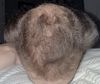
A 25-year-old shared progress pictures after using finasteride 1mg daily for 6 months and dutasteride 1.5mg daily for another 6 months, noting significant hair regrowth, especially in the temporal peaks, with no side effects. The user switched from finasteride to dutasteride for more effective treatment.
The user tried LLLT laser treatment for hair loss, noticing less hair shedding and thicker hair after six months, emphasizing consistency and gentle scalp care. Other users questioned the authenticity of the post and inquired about the frequency and type of device used.
The conversation is about hair regrowth using micro-needling, RU58841, oral and topical minoxidil, ketoconazole shampoo, and dutasteride. Users suggest that noticeable results take longer than two weeks, though one user mentions seeing baby hairs.
A 25 year-old male who has been taking finasteride (1mg/day) for 4 months and then switching to dutasteride (0.5mg twice per week) for 20 months, with positive results; the difference between finasteride and dutasteride is discussed.
The acne medication Winlevi, which contains Clascoterone, is available in the U.S. and may slow down hair loss until a higher concentration treatment, Breezula, is released.
The user reports positive results from using 0.5 mg dutasteride daily for four months and 2.5 mg oral minoxidil for three months, with no side effects. They switched from topical minoxidil to this oral combination.
The user received trichotest results indicating finasteride is ineffective for them, and they plan to use dutasteride mesotherapy and add cetirizine to minoxidil. They seek advice on incorporating dutasteride into their regimen.
A 22-year-old is experiencing hair loss after transitioning from fem HRT to DIY testosterone therapy and is considering using Dutasteride while also taking Saw Palmetto. They are concerned about the impact on virilization and proper development.
The conversation is about a user's progress in hair regrowth using finasteride and minoxidil for 9 months, followed by dutasteride and minoxidil for 4 months, and recently adding RU58841. The user reports no side effects and anticipates further improvement.
The user reports improved crown hair regrowth after 5 months of using Dutasteride and Minoxidil, but minimal change in the front/temples. Others suggest waiting 12-18 months for full results and note that temple regrowth is typically slower.
Hair loss treatment with latanoprost, minoxidil, and biotin showed progress. Latanoprost, a glaucoma drug, stimulates anagen phase and increases conversion of vellus hair to terminal hair.
A user humorously questions if finasteride can cause hair regrowth in just 10 seconds. Responses include jokes about unrealistic expectations, suggestions to try minoxidil and microneedling, and discussions on hair loss treatments.
A user ordered a topical dutasteride gel with tretinoin for hair loss after unsatisfactory results with minoxidil and finasteride. Another user shared their experience with the same product, noting its pleasant smell and feel but difficulty in application and uncertainty about its absorption and frequency of use.
A user recovered from severe Telogen Effluvium using 1mg finasteride and 2.5mg oral minoxidil within four months. Another user regained 80% hair density with finasteride and minoxidil over two years, and is now trying dutasteride.
DLQ01, a prostaglandin F2α analog, shows promise for hair growth by directly stimulating PGE2/PGF receptors without needing conversion, and can be combined with minoxidil and retinoids like tretinoin for enhanced effectiveness. Minoxidil's efficacy may be reduced by COX-1 inhibitors, but using prostaglandin analogs like Latanoprost or Bimatoprost can help maintain its effectiveness.
A 30-year-old man experienced significant hair loss after starting testosterone replacement therapy (TRT), which did not improve with daily finasteride and minoxidil. He is considering restarting TRT and is seeking advice on using pyrilutamide or RU58841 to prevent further hair loss.
Higher doses of dutasteride, such as 2.5mg, are more effective at reducing scalp DHT than 0.5mg, but are costly and inconvenient. A 1mg dose is considered a more affordable and practical option, though its efficacy is uncertain.
The user has been using a combination of finasteride/dutasteride, minoxidil, tretinoin, and hydrocortisone with microneedling and ketoconazole shampoo for hair loss. They are asking if the baby hairs growing will turn into terminal hairs with continued treatment.
John has experienced slight hair gains and stability over 20 years using Dutasteride, which is more effective than Finasteride in reducing scalp DHT and maintaining hair. Dutasteride at 0.5mg daily has a similar side effect profile to Finasteride, but at higher doses, it may increase the risk of sexual side effects.
Low-Level Laser Therapy (LLLT) for hair loss is effective but requires consistent use and device replacement every 1-2 years. The treatment is costly, and results may not be permanent without continued use.
A trans woman is using finasteride, minoxidil, microneedling, and HRT to address hair loss, with noticeable improvement in hairline shape and presence of vellus hairs. She is considering hair transplants if these treatments don't yield desired results within a year or two.
The user is asking if using a 10% fluridil formulation would be effective for blocking scalp androgens in addition to their current treatment of oral dutasteride.
The user is using 0.1% dutasteride, 1% minoxidil with 2% procapil and 0.005% caffeine in the morning, and 1% minoxidil with 2% procapil and 0.01% tretinoin at night. They are concerned about the solution vehicle's effectiveness in preventing systemic absorption and ensuring the products stay around the hair follicles.
A user experienced hair retention but sexual side effects after using dutasteride for a year. Others shared similar experiences with finasteride and dutasteride, suggesting consulting a doctor for persistent issues.
The conversation is about hair loss treatments, specifically discussing the use of Minoxidil, Finasteride, and RU58841. A user inquired about the availability of Winlevi (clascoterone) for hair loss.
The user is experiencing erectile dysfunction and decreased sperm quality from using Dutasteride for hair loss and is considering stopping it to improve fertility. They are exploring other treatments like Viviscal Men, Minoxidil, Revlan Red System, Fluridil, Nizoral, Stemoxydine, and Eucapil.
A 29-year-old male experiencing hair loss due to TRT is using minoxidil and dermarolling but is hesitant to use finasteride or dutasteride due to potential side effects. He is considering low level laser therapy (LLLT), PRP, ketoconazole shampoo, and oral minoxidil as additional treatments. A reply suggests that without a DHT blocker like finasteride or dutasteride, other treatments may not be effective long-term.
A 19-year-old is disappointed with the lack of results from oral minoxidil and finasteride after 7.5 months and plans to switch to dutasteride, add topical minoxidil, dermstamp, and use tretinoin cream. Others suggest patience, consulting a dermatologist, and trying different treatments like Locklab with dutasteride.