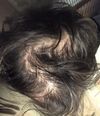
Using Tretinoin with Minoxidil may increase Minoxidil's absorption and improve hair growth results. The user is seeking advice on how to apply both treatments effectively.
A 35-year-old transitioning female (MtF) shared her hair regrowth journey using Minoxidil, Dutasteride, Microneedling, and Exosomes, starting from a bald state. Commenters discussed the impressive results, skin care routine, and the effects of estrogen on hair and skin.
The user switched from minoxidil to a homemade 2-deoxy-d-ribose gel and noticed no hair fall after two weeks, despite stopping minoxidil. The gel includes water, 2-deoxy-d-ribose, vegetable glycerine, 2-phenoxyethanol, sodium alginate, and rosemary oil, and the user reports healthier-feeling hair.
A user's experience with taking dutasteride and minoxidil for hair loss, with other users providing advice to continue treatment for at least 12 months and including dermarolling as well as dietary changes.
The user achieved significant hair regrowth using topical Minoxidil and Finasteride over 2.5 years, with results plateauing after a year. They experienced minimal side effects and used microneedling to enhance results.
A peptide-based delivery system for finasteride shows promise in reducing systemic side effects while maintaining hair growth effectiveness. Combining this with other treatments like minoxidil and RU58841 could enhance results with lower systemic absorption.
Combining minoxidil 5%, tazarotene 0.1% cream, and lumigan for hair loss treatment is discussed. The conversation focuses on the safety and effectiveness of using these treatments together.
The conversation discusses a user's hair regrowth after two months using finasteride, minoxidil, derma rolling, biotin, and ketoconazole shampoo. Some users express skepticism, while others are impressed with the results.
A 23-year-old male experienced significant hair improvement over 9 months using dutasteride, minoxidil, finasteride, PRP, and red light therapy, with no side effects. He plans to continue treatment for 6 more months before deciding on a hair transplant.
The user shared progress pictures of their hairline improvement over two years using finasteride, minoxidil, and microneedling. Another user inquired about whether the minoxidil was used orally or topically.
The user has been using finasteride for almost a year, starting at age 18, and added tretinoin and 5% topical minoxidil 1-2 months ago. They are concerned about hair receding again despite the treatments.
A 3-month update on a microneedling-only project to treat hair loss, which has not had significant results in terms of thicker hair but may have seen some acceleration in hair growth and an increase in vellus hairs. The user plans to continue the journey for 6 months before making any changes, such as adding minoxidil or finasteride.
A user discusses a topical treatment combining Minoxidil, Betamethasone Valerate, Canrenone, Finasteride, and Dutasteride for hair loss. The treatment is RX-only and provided by a dermatologist.
The user experienced initial success with topical finasteride 0.025% and melatonin but noticed rapid hair thinning after three months. They are considering switching to a higher dose of topical finasteride or oral finasteride, as advised by others, while being cautious about potential side effects.
A satirical take on the effects of using Verteporfin as a treatment for hair loss, with people pointing out that it is not accurate and has exaggerated outcomes. It was suggested that instead Minoxidil, Finasteride, or RU58841 should be used to treat hair loss.
Noticeable hair regrowth occurred after two months of using minoxidil and starting finasteride. Users suggested continuing the treatment and considering microneedling for better results.
The post and conversation are about skepticism towards a new hair loss treatment containing 2-deoxy-D-ribose, copper peptides, and exosomes, with concerns about the legitimacy of the product and its website. The treatment's effectiveness and authenticity are questioned due to lack of testing and transparency.
A user's 6 month hairline results from using dutasteride and microneedling, which resulted in successful regrowth of their thinning temples. Other users commented with similar experiences that were also achieved through the use of finasteride, dutasteride and minoxidil.
A user had a 2250 graft hair transplant using both FUT and FUE methods, and is currently using finasteride, minoxidil, multivitamins, and biotin. Opinions vary on the effectiveness and appearance of the procedure, with some suggesting additional treatments or considering alternative options like shaving or using a hair system.
A dutasteride simulator predicts that daily 0.5 mg dosing results in higher DHT suppression compared to less frequent dosing. Twice-weekly dutasteride may be as effective as finasteride 5 mg, providing a balance between efficacy and ease of use.
A user underwent a successful hair transplant with Dr. Linkov, receiving 2612 grafts, after stabilizing hair loss with finasteride and minoxidil. Fourteen months post-procedure, the user is extremely satisfied with the results, feeling more confident and looking younger.
User used sublingual minoxidil for 5 months and saw progress. Also used topical dutasteride, alfatradiol, tretinoin, and reduced oral finasteride dose.
User shared positive results after 4 months using 1.25mg finasteride, topical minoxidil, daily biotin, and weekly dermarolling. They expressed gratitude to another user for the advice.
The user experienced significant hair regrowth over four months using 1 mg finasteride, 2.5 minoxidil, and occasional ketoconazole. They reported no side effects from the treatments.
A user shared progress pictures of their FUT hair transplant in Korea, showing results one year post-op. The conversation highlights the density of the hair, the quality of Korean hair treatments, and mentions treatments like Minoxidil, finasteride, and Dutasteride.
A 22-year-old had a 3,500 graft hair transplant to restore his original hairline and improve density, while using dutasteride and oral minoxidil to manage hair loss. He believes being proactive with medication prevented further loss and allowed for a successful transplant.
A new light therapy claims to reduce hair loss markers by 92% using a specific wavelength range. Users discuss the cost and effectiveness of devices, with some expressing skepticism and others considering alternative treatments like red light therapy and vitamin D exposure.
The conversation discusses the progress and potential of hair cloning by Stemson Therapeutics, questioning if it will be realized in the next 5-10 years or if it's just false hope. Specific treatments mentioned include Minoxidil, finasteride, and RU58841.
The user is happy with their crown after 2 years on finasteride and topical minoxidil but is still losing hair at the hairline. They plan to switch to dutasteride.
The user is using a combination of finasteride, dutasteride, oral and topical minoxidil, PRP, and stem cell treatments for hair loss. They report slowed shedding and new vellus hairs on the hairline, questioning if they are a strong responder to the treatment.