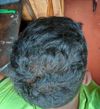
A 41-year-old shared 15 months of hair loss progress using Dutasteride, oral Minoxidil, RU58841, and weekly derma rolling or stamping, reporting no side effects. The treatments are working slowly but effectively.
Oral supplementation of Nicotinamide Mononucleotide (NMN) improves hair quality and appearance in middle-aged women. However, it may reduce total hair density, possibly due to seasonal shedding.
Regrowth is more likely if hair follicles are still alive, regardless of age, but younger individuals often see better results due to early intervention. Treatments like finasteride, minoxidil, and dermarolling can help, but results vary based on individual factors such as the presence of miniaturized hairs and the speed of treatment initiation.
A 20-year-old is concerned about hairline changes and wonders if it's maturing or male pattern baldness (MPB). Suggestions include consulting a specialist and considering treatments like finasteride or minoxidil.
Hair loss discussion mentions Native Americans' resistance to male pattern baldness and lack of facial hair. Users discuss genetics, sun exposure, and potential treatments like minoxidil and finasteride.
An 18-year-old experiencing diffuse hair thinning since 8th grade seeks advice. They are concerned about having less hair than their 52-year-old father and are looking for treatment options.
A 25-year-old male experiencing diffuse thinning is advised to address high TSH levels and low iron, and consider treatments like finasteride. Weight loss and improved diet are also suggested to potentially help with hair health.
Minoxidil can inhibit collagen production, potentially causing premature aging. The user is inquiring if Vitamin C serum or derma rolling can counteract this effect.
A 17-year-old is addressing hair loss with finasteride, topical minoxidil, and microneedling. They are considering adding GHK-Cu to their regimen, but others advise caution with finasteride due to age.
Akkermansia bacteria can improve hair growth inhibited by testosterone, and metformin may increase Akkermansia, which could help with hair loss related to aging, insulin resistance, and inflammation.
Hair regrowth from treatments like finasteride, dutasteride, and minoxidil can take several years, with most visible results appearing within 1-2 years and potential improvements continuing up to 10 years. Consistency and patience are crucial for achieving maximum hair thickness, as hair miniaturization and regrowth are gradual processes.
The conversation discusses a new model for understanding androgenetic alopecia (AGA), linking it to dietary and lifestyle factors similar to PCOS, and highlighting the role of DHT, vascular damage, and inflammation. Treatments mentioned include Minoxidil, finasteride, and RU58841.
The conversation is about the struggles of dealing with diffuse thinning at a young age and the lack of significant improvement after using treatments like finasteride and minoxidil. Some suggest additional methods like derma rolling, microneedling, and hair fibers, while others share their own experiences and encourage persistence with treatment.
A new "third cell" discovery in Japan could be key to fully regenerating hair follicles, with human trials possibly starting in 2027-2028. AI is expected to accelerate medical discoveries, potentially leading to a hair loss cure within a few years.
A 40-year-old used minoxidil, dutasteride, RU58841, and microneedling for one year, resulting in noticeable hair regrowth despite initial shedding. They believe having more hair is beneficial for dating at their age and also recommend staying fit, eating well, and sleeping over 8 hours.
After 11 years on Finasteride, a user's hair is thinning again, suggesting hair may become more sensitive to DHT with age. They plan to introduce Dutasteride once a week, as they cannot tolerate Minoxidil.
A 41-year-old is addressing hair loss by eating better, using a dermaroller, and taking Nutrafol, but many suggest adding finasteride and minoxidil for better results. The conversation includes mixed opinions on Nutrafol's effectiveness, with some recommending pharmaceutical treatments like finasteride and minoxidil for more significant hair regrowth.
Osteopontin, a protein involved in hair growth on moles, may help with hair loss. However, it is also linked to Alzheimer's, cancer, and bone development, so caution is advised.
A person had success with micro-needling for hair growth but stopped and noticed hairline recession. They plan to restart treatment at age 40, using micro-needling, oral minoxidil, finasteride, a laser cap, topical minoxidil with tretinoin, collagen, and other supplements.
The conversation discusses concerns about oral minoxidil potentially aging the face by affecting collagen, questioning its systemic effects. The user has successfully used topical minoxidil for years and is hesitant to switch to oral minoxidil.
A 43-year-old man regrets not starting finasteride earlier for his receding hairline, which has now progressed to NW3 with diffuse thinning. Other users share their experiences, highlighting the effectiveness of finasteride and hair transplants in managing hair loss, even in their 30s and 40s.
The conversation is about a 21-year-old using finasteride, dermarolling, ketoconazole shampoo, hair growth serums, and exosome therapy to treat early-stage thinning on the crown. They are questioning if these treatments are sufficient to improve hair thickness.
A 25-year-old with AGA experienced hair thinning and dandruff, stabilized with topical finasteride and minoxidil but saw minimal regrowth. They seek advice on styling and consider oral minoxidil and microneedling for denser hair.
Balding seems to worsen with each generation, possibly due to stress, diet, and environmental factors. The user started treatments like Minoxidil and finasteride.
Poor sleep quality may affect hair growth cycles by disrupting the body's natural clock and stress hormones. The focus should be on improving sleep to support overall health, including hair growth, rather than relying solely on treatments like Minoxidil, finasteride, or RU58841.
A young male in his twenties discusses hair loss, mentioning the use of Minoxidil, topical finasteride, and occasional derma rolling. He inquires about scalp inflammation, fibrosis, and the potential benefits of magnesium oil and scalp massages for improving blood flow and hair health.
Hair follicles can be dormant and potentially revived with treatments like finasteride and minoxidil, but irreversible loss occurs if certain structures are destroyed. Early intervention is more effective, and additional methods like microneedling may help.
Hair loss treatments like finasteride, minoxidil, ketoconazole, PRP, and microneedling helped maintain hair for 20 years. Research and try evidence-based treatments for best results.
User "mynameisbogus" shares 2-month progress using Dut, Min, Oral Min, Keto, Dermarolling, and Retinol for hair loss at age 40. Others discuss impressive results and potential for full hair regrowth.