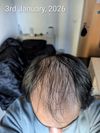
A 24-year-old male experiencing diffused thinning discusses his DHT levels and hair density issues. He has not used finasteride or dutasteride and is considering AR inhibitors.
The user's experience with hair loss in their twenties and thirties, how to fix a receding hairline, treatments such as DHT, stress, bad sleep, Minoxidil, finasteride, and RU58841, and diet.
A 31-year-old male shared his 3-year progress using finasteride 1 mg daily, with additional treatments including nutrafol, multivitamins, vitamin D, marine collagen, PRP scalp injections, micro-needling, and Nizoral. He experienced temporary libido issues but currently has no side effects.
A person in their 20s is struggling with hair loss, using treatments like minoxidil and finasteride. Suggestions include self-improvement, therapy, hair transplants, and focusing on acceptance and confidence.
A user shared their pre-finasteride lab results, including DHT, estradiol, testosterone, SHBG, prolactin, FSH, and LH levels. Another user responded, cautioning against making unsupported claims about side effects and recovery.
A 44-year-old is using dermarolling, topical minoxidil, and finasteride for hairline concerns, noticing fine hairs after 4 months. Others believe his hairline is already excellent for his age.
A 22-year-old male uses dutasteride, a serum with 10% minoxidil and 0.5% finasteride, and microneedling for diffuse androgenetic alopecia. Progress pictures show changes from July 2025 to February 2026.
A user plans to experiment with creating new hair follicles using methods like derma rolling, applying lithium chloride, tannic acid, and various other substances including caffeine, ketoconazole, and raspberry ketones. They also consider using anti-inflammatories, immunosuppressants, and DHT inhibitors to potentially improve results.
DHT may inhibit hair growth by affecting mitochondrial function, leading to hair follicle miniaturization. Treatments like minoxidil and PP405 may promote hair growth by altering metabolic pathways, potentially counteracting DHT's effects.
The conversation discusses that genetic analysis of the Iceman Ötzi shows he had male-pattern baldness and dark skin, with a joke about using beards and tattoos to distract from hair loss. No specific hair loss treatments are mentioned.
A 50-year-old Black woman with alopecia areata and traction alopecia is seeking a science-based hair loss routine. Current treatments include spearmint tea for DHT levels and considering PRP.
A new "third cell" discovery in Japan could be key to fully regenerating hair follicles, with human trials possibly starting in 2027-2028. AI is expected to accelerate medical discoveries, potentially leading to a hair loss cure within a few years.
A 27-year-old Asian male is treating hair loss with 1mg oral finasteride, topical minoxidil twice daily, and 1.5mm microneedling weekly. The discussion is about his progress with these treatments.
A 20-year-old is using oral minoxidil, finasteride, and a dermastamp to address hair loss but is concerned about continued thinning and lack of visible regrowth after six months. They are questioning if diet, vitamin deficiencies, or dosage adjustments could impact progress.
Microneedling promotes hair growth by increasing circulation and collagen production, with gains potentially lasting longer than those from minoxidil. Some users report sustained results after stopping microneedling, unlike with minoxidil and finasteride.
PP405 is anticipated as a future treatment for dormant hair follicles, but its effectiveness and safety are uncertain. Current treatments include oral minoxidil and microneedling, with some avoiding finasteride due to side effects.
The conversation discusses a 24-year-old Korean man's progress with hair loss treatments over 8-9 months, with specific treatments not mentioned due to redacted information. Users are commenting on the effectiveness and inquiring if Asians have better results with hair loss treatments.
PP405 may damage hair follicles if used long-term, suggesting cycling might be necessary. Combining it with finasteride could help maintain hair growth.
A user shared their hair loss journey, starting with Finasteride and Minoxidil in 2019, switching to Dutasteride in 2024, and adding topical Minoxidil and Tretinoin. They experienced slight temple thinning, which improved with Dutasteride, and reported no significant side effects except for thicker eyebrows and hair color change.
A 27-year-old male with AGA and diffused thinning has been using oral Minoxidil, Finasteride, Vitamin D, B12, Iron, and Ketoconazole shampoo. Despite a hair transplant and improved blood levels, he continues to experience hair loss and suspects a possible misdiagnosis of Alopecia Areata Incognita.
Microneedling stimulates hair growth through stem cell activation during wound healing, not just increased blood flow. Other methods like showers or supplements don't replicate this effect.
PP405 is a potential hair loss treatment that inhibits mitochondrial pyruvate carriers, increasing lactate dehydrogenase activity and stimulating hair follicle stem cells. In a phase 1 trial, 31% of participants showed over 20% hair density increase with PP405 treatment.
The user is experiencing hair regrowth with oral minoxidil and dutasteride but still has fragile hairs that easily pluck out from the front center. Despite improvements, the user is concerned about the persistent fragility and shedding of these hairs.
The conversation discusses hair loss linked to BDNF-increasing nootropics like Semax and Lions Mane. Suggested topical treatments include capsaicin, beta-glucan, and ginseng to counteract TGF-B activation.
The conversation discusses the link between increased estrogen and autoimmune diseases, with a focus on avoiding soy and milk. It also mentions treatments like Minoxidil, finasteride, and RU58841 for hair loss.
Hypoxia may enhance hair growth by stimulating stem cells, but it could also risk fibrosis. Some users humorously discuss extreme methods like choking while using minoxidil, highlighting the need for new treatments.
Low testosterone and estradiol may contribute to hair loss, and blocking DHT without sufficient hormone levels might hinder regrowth. The discussion highlights the importance of hormone balance, with some considering supplements and lifestyle changes to support hair health.
A 22-year-old male experiencing hair loss suspects androgenetic alopecia (AGA) and possibly telogen effluvium (TE), with a noted improvement in scalp itch after adopting a gluten-free diet. He is advised to consider treatments like finasteride or minoxidil and to check iron and ferritin levels.
Hair loss progress after 12 months using minoxidil, finasteride, and microneedling. Goal is to maintain and improve hair until old enough for hair transplant.