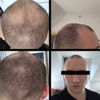
Elon Musk likely had at least two hair transplants and uses finasteride or dutasteride to maintain his hair. He may also use a hair system or prosthetic hair.
The conversation discusses the potential of developing a selective oral SARM to target androgen activity in the scalp and skin, as an alternative to oral Dutasteride and Finasteride, which have systemic side effects. It also mentions Clascoterone and RU58841 as topical treatments for hair loss.
The conversation discusses hair loss treatments for a 30-year-old female, comparing red light therapy with minoxidil and finasteride. Concerns about hormonal impact and potential pregnancy are raised, with suggestions to consider spironolactone and microneedling, while emphasizing the importance of consulting a dermatologist.
PP405 is a new hair growth stimulant different from Minoxidil, currently in phase 2 trials. Users discuss its potential, safety concerns, and the long wait before it might be available.
The user discusses using Minoxidil for hair loss and is considering RU58841 to reduce excessive oil production. They seek advice on RU58841's effectiveness in blocking sebum production.
Users discuss potential game-changing hair loss treatments in the next 10 years. Some mention KX-826, SCUBE3, and stem cells as promising options, while others express doubt due to past disappointments and lack of focused research.
A user discusses mild/moderate hair loss and considers switching from oral to topical finasteride due to past endocrine issues. They seek feedback on topical finasteride's effectiveness and reputable sources, with replies suggesting Minoxidilmax products as effective alternatives.
Effective treatments for hair loss, including Dutasteride, Finasteride, Minoxidil, Dermarolling, LLLT, PRP, Ketoconazole, and Scalp Massage. In addition, anti-inflammatory diets and stress management are recommended to maintain or regrow hair.
The user is concerned about hair loss and is considering treatments like finasteride and minoxidil but is unsure about their effectiveness and side effects. They have experienced mixed reactions to shaving their head and are struggling with confidence due to balding.
Finasteride significantly improved the user's hair, with no noticeable side effects except mild initial testicle pain. Minoxidil was used but only showed results after starting Finasteride.
Clascoterone 5% and PP405 are being discussed as potential future treatments for hair loss, with clascoterone nearing phase three completion and PP405 possibly taking a cosmetic route to market. Current treatments like minoxidil, finasteride, and RU58841 are mentioned as effective in slowing hair loss, but a complete cure remains elusive.
A 26-year-old male considering a hair transplant is using topical finasteride and minoxidil, planning to start feminizing hormone replacement therapy (HRT) with estrogen and spironolactone. Many suggest waiting to see the effects of HRT, which may significantly regrow hair, before deciding on a transplant, and recommend adding microneedling and possibly switching to oral treatments for better results.
The conversation humorously discusses using "pure willpower" as a method to combat hair loss, alongside treatments like dutasteride, finasteride, and RU58841. The original poster claims that this unconventional approach, involving shouting affirmations and avoiding distractions, has led to noticeable hair regrowth.
A 30-year-old male switched from finasteride to a combination of dutasteride, oral minoxidil, and RU58841, achieving significant hair growth without side effects. He plans to add GHK-Cu peptide to his regimen for further improvement.
The user is considering taking 2.5 mg oral minoxidil and 1 mg oral finasteride sublingually to minimize side effects after a hair transplant. They seek advice on the pros and cons of this method, noting a lack of concrete information.
The user is considering microneedling versus a hair transplant (HT) for crown hair loss while currently using dutasteride and oral minoxidil. They are hesitant about microneedling due to potential scarring but are open to trying it before deciding on a hair transplant.
The user has been using dutasteride and oral minoxidil for over three years with good results and is seeking additional treatments to improve hair growth by 10-15%. Suggestions include derma stamping, red light therapy, deep massage, caffeinated shampoos, and biotin supplementation.
The conversation discusses the use of RU58841 for hair loss, with concerns about its legality in Germany and potential legal consequences. Alternatives like finasteride and dutasteride are mentioned, with some users questioning the effectiveness and safety of RU58841.
A new supplement for hair growth combines black rice, prickly pear, and saw palmetto, showing promising results in increasing hair density and reducing hair loss. The supplement is considered a drug-free alternative to traditional treatments like minoxidil and finasteride.
Developing new hair loss treatments is challenging due to the complexity and cost of trials, and a permanent cure is unlikely soon. Current treatments like Minoxidil and finasteride are used continuously because hair loss is progressive, and future possibilities include gene editing and hair cloning.
Adam Scott and Rob Lowe have used finasteride for over 20 years to maintain their hair without significant negative effects. Many Hollywood celebrities use finasteride, minoxidil, and other treatments for hair loss, despite some concerns about side effects.
The user experienced reduced hair fall with topical minoxidil and finasteride but no regrowth, and faced hormonal issues with oral finasteride. They are considering a hair transplant and exploring treatments like topical dutasteride, oral minoxidil, microneedling, and hair supplements.
Hair loss treatments like finasteride, minoxidil, and hair transplants are more accessible and effective now. Concerns about side effects and skepticism about new treatments like hair cloning and GT20029 remain.
The user started finasteride (1mg) a year ago for hair thinning, experiencing stabilization but not significant regrowth. Suggestions included adding minoxidil, microneedling, and considering a hair transplant for improved results.
OP struggles with scalp flakes causing hair loss and has tried Selsun Blue, Ketoconazole, and ZPT Shampoo without success. Suggestions include using salicylic acid shampoo, shaving the head, using Nizoral, and combining treatments like Minoxidil and finasteride.
Topical finasteride and minoxidil, combined with microneedling, are recommended for treating thinning hair areas, with 1-2 sprays daily being effective and having fewer side effects than oral finasteride. Starting microneedling at 1.0mm is advised for effectiveness while minimizing invasiveness.
The user has been using topical minoxidil for over four months and finasteride for one year and two months. They are sharing progress pictures showing good results.
The conversation suggests Justin Bieber has had a hair transplant, with many users agreeing on the change in his hairline and discussing the commonality of hair loss and transplants among men, including celebrities. Some speculate he might also be using hair loss medications like minoxidil and finasteride.
Tretinoin can make minoxidil more effective for hair loss treatment, but some users did not see improved hair density with this combination and had better results with dutasteride.
User experienced hair loss from Norwood 3.5 to Norwood 5 with diffuse thinning after using a hair system for 2 years. Tried Redensyl, Capixyl, Bicapil, Biotin, multivitamins, Fin, and Min without significant improvement, seeking advice for hair recovery.