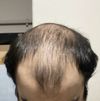
A user who underwent a hair transplant in Istanbul to reduce balding, and the discussion of various treatments such as finasteride and growth hormone for preventing further hair loss.
The user switched from oral finasteride and topical minoxidil to oral dutasteride and minoxidil but feels their hair loss has worsened. They are also using enclomiphene for gym progress, which may be affecting their hair.
User experienced hair kinking after starting minoxidil, despite being on finasteride for two years. Another user confirmed similar issues and suggested switching brands due to propylene glycol in minoxidil.
The conversation discusses skepticism about group buys for hair loss treatments, highlighting issues with unverified chemicals and the risks involved. It suggests stabilizing with dutasteride and minoxidil, and considering a hair transplant instead of experimenting with untested products.
The conversation discusses converting liquid minoxidil into a foam version to save money. The user is exploring if a foam sprayer can achieve this or if additional ingredients are needed.
The conversation discusses using a liposomal gel with Adenosine and caffeine for hair loss, questioning if caffeine's role as an adenosine receptor antagonist might counteract the benefits of Adenosine or worsen hair loss.
People are discussing using tretinoin gel with minoxidil to improve hair growth, especially for those who didn't respond to minoxidil alone. They apply a mix of tretinoin gel and minoxidil to the scalp, which is said to be more effective than minoxidil by itself.
The conversation is about the effectiveness of Dutasteride (Dut) and Minoxidil (Min) in reversing hair thinning. The user has been using Dut for 3 months and Min for a couple of years, and while hair fall has reduced, thinning continues. Other users suggest that Dut can reverse hair thinning over time, possibly beyond a year, and the outcome depends on individual body reactions and the degree of hair miniaturization.
MinoxidilMax stopped selling topical finasteride products, leaving users to seek alternatives like Morr-5 from other sources. The user expressed concern about switching products and potentially losing hair regrowth progress.
Dutasteride and oral minoxidil improved the user's hair thickness, darkness, and curliness, making them look more attractive and younger. The user takes 0.5mg of dutasteride and 2.5mg of minoxidil daily.
KX-826 combined with minoxidil significantly increases hair growth compared to minoxidil alone for treating male androgenetic alopecia, with no unexpected safety concerns. Users discuss various hair loss treatments, including KX-826, minoxidil, finasteride, and RU58841, sharing personal experiences and sourcing information.
A user shared their successful 50-day progress using oral minoxidil and finasteride for hair loss. They plan to switch to dutasteride after six months for potentially better results.
Researching and developing an effective local antagonist to block the androgen receptors for hair loss, as opposed to using DHT synthesis inhibitors that lower serum DHT levels. Several treatments such as CosmeRNA and Pyrilutamide are currently in development or undergoing trials.
A new painless microneedle patch shows promise in reversing hair loss. The discussion focuses on potential new treatments beyond common options like Minoxidil, finasteride, and RU58841.
The user experienced significant hair thickening after using topical minoxidil and oral finasteride for about 5 months and is considering switching from finasteride to RU58841. Other users encourage the original poster to continue the current treatment due to the positive results.
A 25-year-old shared their 3-month progress using a combination of 1mg finasteride and 5% minoxidil for hair loss. The images show noticeable improvement in hair density.
The conversation discusses whether M44 had a hair transplant or uses finasteride, minoxidil, and dutasteride. Opinions vary, with some suggesting a transplant and others noting no clear signs of hair loss.
The conversation is about someone's 9-month experience using finasteride, dutasteride, RU58841, and minoxidil for hair loss. Commenters suggest that there has been slight improvement in the person's hair condition.
Dutasteride is discussed as a treatment that makes hair loss impossible, with some users sharing experiences of hair regrowth and side effects. Finasteride and oral minoxidil are also mentioned as treatments, with concerns about side effects and effectiveness.
Hair loss discussion includes treatments Minoxidil, Finasteride, and RU58841. Users question effectiveness of HMI-115 and consider waiting longer for results.
Amplifica's new injectable treatment for androgenetic alopecia shows a 15% increase in hair thickness and coarseness in 60 days. The treatment is in early human trials and offers a promising alternative to hormone-related hair loss treatments.
The conversation humorously discusses using a dermaroller for hair growth, with a playful suggestion of using it on the wrist. It includes references to Minoxidil, finasteride, and RU58841 as treatments.
Microneedling combined with latanoprost may convert vellus hairs to transitional or terminal hairs. The user suggests using oral minoxidil to increase vellus hair, then applying a high concentration of latanoprost with microneedling for conversion.
Alfatradiol is discussed as a weak 5ARI and estrogen, not as effective as minoxidil, RU58841, or CB-03-01, but a safe alternative for those who can't use finasteride. Users express frustration over the lack of strong FDA-approved topical antiandrogens for hair loss.
Akkermansia bacteria can improve hair growth inhibited by testosterone, and metformin may increase Akkermansia, which could help with hair loss related to aging, insulin resistance, and inflammation.
Influencers complicate hair loss treatments by promoting many products, but Minoxidil and Finasteride (or Dutasteride) are sufficient to start. The user criticizes influencers for not mentioning effective treatments like Finasteride.
A 32-year-old male is considering options to soften a dense transplanted hairline after experiencing accelerated hair loss and intolerance to finasteride and dutasteride, while using minoxidil. He is exploring partial electrolysis or laser treatments to achieve a natural look with a short buzz cut, avoiding a second transplant or scalp micropigmentation.
A user shares optimism about combating male pattern baldness using oral and topical minoxidil, highlighting the advancements in treatments available today. Another user agrees, noting that early treatment can yield good results, and mentions the availability of affordable hair transplants.
Minoxidil may inhibit androgen receptors and affect hormonal pathways, potentially explaining its effectiveness in treating androgenetic alopecia (AGA). Users discuss its varying effectiveness on scalp versus facial hair and note fewer side effects with topical use compared to oral.