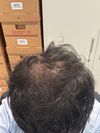
The conversation discusses experiences with hair loss treatments containing RootBioTec and Anagain. Users share their results and compare these treatments to Minoxidil, finasteride, and RU58841.
The hair transplant at Eugenix in New Delhi resulted in poor density and texture, with only about 2,500 grafts surviving out of 4,500. The user is considering holding the clinic accountable and exploring options like shaving, using hair fibers, or seeking another transplant.
The conversation discusses the potential updates on the pp405 trial for hair loss, with completion expected by December 2025. Participants express skepticism about new treatments, suggesting continued use of finasteride, while others hope for innovative solutions beyond current medications.
The conversation discusses skepticism and diminishing excitement around the hair loss treatment PP405 due to unclear trial results. It also mentions other treatments like finasteride, minoxidil, VDPHL01 (extended-release minoxidil), and GT20026 as potential options for hair loss management.
People are discussing the anticipated release of PP405 phase 2a results, expected by the end of March, with some skepticism about its effectiveness. There is cautious optimism due to past experiences with similar treatments like Breezula, despite concerns about the lack of presentation at the AAD 2026 conference.
The conversation expresses frustration over the lack of progress in hair loss treatments, with specific mentions of Minoxidil, finasteride, and RU58841. Users discuss the slow development of new treatments and the potential of hair transplants.
RU58841 from rudirect caused more hair shedding and itch, while anageninc's RU58841 improved the situation. Users are concerned about the quality and authenticity of RU58841 from different suppliers, including those from China.
A user is seeking a trusted supplier for RU58841 in the UK, expressing doubts about their current source, rudirect, and considering Anagenic and receptorchem. They are asking for recommendations for other suppliers.
PP405 is criticized for overhyped claims and cherry-picked data, with doubts about its effectiveness compared to minoxidil and finasteride. Many users express skepticism, emphasizing the need for more comprehensive trial results.
The conversation discusses the anticipation and skepticism around the release of GT20029 for hair loss treatment. The original poster has been using Finasteride and Minoxidil but is hopeful for GT20029, while others express doubts about its timely release and suggest alternatives like KX826 and hair transplants.
The user experienced rapid diffuse hair thinning for five years despite no signs of AGA or miniaturization. They tried finasteride and oral minoxidil without success and have checked thyroid, iron, and vitamin D levels.
A user is joining a clinical trial for Clascoterone, a drug approved for acne but being tested for hair loss. They previously tried finasteride with limited success and plan to share updates on their experience with the new treatment.
The user is using a comprehensive hair loss treatment including oral dutasteride, minoxidil (both oral and topical), topical finasteride, RU58841, ketoconazole shampoo, and a derma roller, while also using anabolic steroids. Opinions vary, with some users noting stability or slight improvement, while others suggest the treatment may not be effective due to anabolic use.
The user is concerned about hair loss despite taking finasteride and has a hair transplant scheduled. They experience scalp itching and burning, which hasn't been relieved by various treatments, and another user suggests using ghk-cu & ahk-cu serum and Koshine kx-826/pyrilutamide for relief.
Hair loss treatments discussed include Minoxidil, Finasteride, and RU58841. HMI-115 release timeline is uncertain, with possible grey market availability in 2024-2025.
PP405 shows significantly better early-stage hair regrowth results compared to minoxidil and finasteride, with 31% of users experiencing over 20% density increase in 4–8 weeks. Minoxidil and finasteride show minimal or no visible regrowth in the same timeframe.
Finasteride treatment is being considered, and it's advised to track DHT, testosterone, estradiol, and SHBG levels to monitor hormonal changes. These tests will help understand the treatment's impact.
A user experienced side effects from finasteride and switched to using GHK-Cu for hairline improvement, noticing some positive changes after three months. They used a 2mg daily dose via subcutaneous injections and reported increased hair density and baby hairs, though results were not dramatic.
Pelage is moving to Phase III clinical trials for PP405, a hair loss treatment, with results to be presented at a medical meeting. Users express skepticism and hope, comparing it to existing treatments like Minoxidil and finasteride, while discussing the potential for new hair growth in previously bald areas.
RU58841 has significantly improved the user's hair loss experience, alongside oral finasteride, dutasteride, 5 mg minoxidil, topical finasteride, dermastamping, and low-level laser therapy. The user is considering increasing their RU58841 dose from 75 mg to 100-150 mg daily.
Male pattern baldness (MPB) may be an early warning sign for type 2 diabetes due to its association with insulin resistance. Treatments discussed include testosterone therapy and finasteride, which affects hormone levels related to hair loss and insulin sensitivity.
The user has been taking 1 mg of finasteride daily for four months and is questioning if they are experiencing hair regrowth, as suggested by their barber. Another user suggests taking better photos to assess the crown area more clearly.
Post Finasteride Syndrome (PFS) may result from epigenetic changes and gut microbiota alterations. Supplementing with Allopregnanolone might protect against these adverse effects.
The user experienced side effects from ecklonia cava similar to those reported with finasteride, including depression, brain fog, anxiety, and testicular pain. Despite these issues, the user is still considering using topical finasteride in the future.
RU58841 lacks FDA approval due to financial and safety concerns, including potential cardiological side effects. The company abandoned further research, and users report adverse effects like heart palpitations and gynecomastia.
A user preparing to start finasteride for hair loss wanted to check for any abnormal bloodwork related to hair loss. They shared their blood test results and learned from another user that their doctor prescribed finasteride without any preliminary tests.
The user shared their bloodwork results showing DHT at 17 ng/dl and testosterone at 287 ng/dl, with a slight Vitamin D deficiency. They are seeking opinions on these levels and have an upcoming dermatologist appointment.
AMP-303, a new injectable treatment for androgenetic alopecia, showed promising results in increasing hair count and density with minimal side effects. The treatment demonstrated significant hair regrowth and durability, offering new hope for those with hair loss.
Hair loss discussion includes treatments Minoxidil, Finasteride, and RU58841. Users question effectiveness of HMI-115 and consider waiting longer for results.