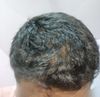
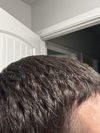
The post discusses a successful hair loss treatment involving a hair transplant, finasteride, and minoxidil. The user underwent a 2000 graft hair transplant at the hairline in a clinic in Sweden.
The user shared their 9-month hair regrowth progress using topical Minoxidil 5%, finasteride 0.05%, retinoic acid 0.01%, dermastamping, ketoconazole shampoo, and supplements like biotin. They experienced some hair density improvement but minimal change in the hairline, with initial side effects from finasteride that resolved after dosage adjustment.
A 25-year-old male using Dutasteride, oral Minoxidil, and Ketoconazole shampoo is experiencing increased hair shedding and vellus hair growth along the hairline. Concerns are raised about whether this is a seasonal shed or a potential setback.
A 21-year-old male is using a topical treatment for hair loss, including Dutasteride, Minoxidil, Tretinoin, Ketoconazole, and Hydrocortisone, along with derma rolling. He reports no side effects from the treatment and seeks feedback on its effectiveness for hair regrowth.
The user shared progress on hair regrowth using 5% topical minoxidil, 2% keto shampoo, oral finasteride, and recently switched to daily dutasteride. They reported positive results without significant side effects and are hopeful for further improvement.
A user shared their 2-year hair regrowth journey using finasteride, ketoconazole shampoo, and a diet change, without a hair transplant. Despite skepticism from others, the user insists the results are natural and encourages consistency and dietary adjustments.
A user's success in hair regrowth after taking oral and topical medications, such as minoxidil and dutasteride, and using microneedling. Other users shared their experiences and advice with treatments used to reverse hair loss.
My hairline, I am only 23.
This conversation is about a user's experience with treatments for androgenic alopecia, including finasteride, dutasteride, RU, minoxidil, progesterone, melatonin, LLLT, oral minoxidil, and Pyrilutamide. They have tried many treatments over the course of two years without seeing much success, and they are considering getting a hair system as a last resort.
Hair loss challenges and identity issues, with opinions on using finasteride, minoxidil, and hair transplants versus accepting baldness. Some find shaving more work, while others stress personal choice and self-perception.
The user experienced significant hair improvement after one year using topical finasteride and minoxidil, combined with a hair transplant at the front. They switched from oral to topical finasteride due to side effects and are satisfied with the results, especially at the temples.
The user experienced hair loss and used Minoxidil and Finasteride to improve hairline and density, but stopping Minoxidil led to a setback. They plan to continue both treatments daily to increase hair density and are considering applying Minoxidil to the entire scalp.
A 28-year-old male is happy with his hair regrowth on the crown after using topical Minoxidil 5% and Finasteride 0.25% once daily, micro needling weekly, and Nizoral shampoo once a week. He has experienced no significant side effects, and his hair has become darker and thicker, with improvements in his hairline.
An 18-year-old shares their successful hair regrowth journey using finasteride 1mg daily, topical minoxidil twice a day (mixed with tretinoin 0.025% at night), ketoconazole shampoo 2-3 times a week, and occasional dermarolling. They report no side effects and emphasize the importance of consistency and early intervention.
The user is experiencing hair loss despite using Dutasteride and plans to try RU58841, considering adding Oral Minoxidil. They express frustration with diffuse thinning and seek advice on managing hair loss.
A 35-year-old male shared his hair restoration journey, starting with minoxidil and finasteride, which improved his hairline and crown, followed by a hair transplant in November 2024. He stopped finasteride to conceive, experienced some shedding, and is now considering switching to dutasteride while continuing minoxidil.
Hair follicles don't truly die but become severely miniaturized. Treatments like finasteride, dutasteride, and minoxidil can help restore hair by providing nutrients and reducing harmful effects on hair roots.
A 24-year-old shares a 1-month update on his hair regrowth journey using 1mg oral finasteride, 10mg oral minoxidil, dermarolling, and pyrilutamide. Replies suggest it may take a few hair cycles for vellus hairs to mature into normal hairs, with progress varying by individual.
The user is experiencing increased hair shedding and is concerned about regression despite consistent use of finasteride, minoxidil, and other treatments. The consensus is that this is likely a temporary shedding phase, and adjustments to the dermarolling frequency are suggested.
The user reports thicker hair and new growth in the temple area after three months of treatment with oral finasteride, minoxidil, and derma rolling. There is confusion about the order of before-and-after photos, but the most recent photo shows improvement.
The conversation discusses various treatments for hair loss, including minoxidil, finasteride, and topical dutasteride, with users debating their effectiveness and side effects. Despite the treatments, many believe androgenetic alopecia (AGA) ultimately prevails in the long term.
Reincarnation humorously suggested as a hair restoration method, with exaggerated and satirical discussions on finasteride use. The conversation includes jokes about side effects and the absurdity of extreme measures for hair loss.
Inflammation on the scalp can hinder hair regrowth and the effectiveness of treatments. The user is using ketoconazole shampoo, Selsun Blue, finasteride, and oral minoxidil.
The user is experiencing a strange hair loss pattern despite using dutasteride for 3 years and minoxidil with tretinoin for 1.5 years. They recently added microneedling and are considering a scalp biopsy to understand the cause.
The user has been using a hair solution with 0.3% finasteride and 5% minoxidil, along with microneedling, but is experiencing more thinning on one side. Suggestions include checking application techniques and ensuring microneedling is not overdone.
The user "RenegadeMountie" shared their progress with topical finasteride and minoxidil for hair loss. They reported consistent use for 3 months, with noticeable improvement in hair thickness and new growth. Other users recommended using hair loss concealers and expressed confidence in seeing more progress in the future.
Obscure hair loss topicals like Alfatradiol, Fluridil, and Stemoxydine are discussed. They may be considered for those not responding well to common treatments like Minoxidil and Finasteride.
A user shared their experience with three hair transplants, finasteride, and minoxidil to combat severe hair loss, achieving significant regrowth. They discussed the process, costs, and maintenance, emphasizing that transplanted hair is permanent and doesn't require ongoing medication.
A 31-year-old male experienced significant hair regrowth on his crown after using oral minoxidil (initially 1.25 mg, increased to 2.5 mg, then reduced back to 1.25 mg) and finasteride (1 mg), without side effects except increased hair on arms, beard, and eyelashes. He also used anaphase conditioner and shampoo but no derma rolling or additional multivitamins.
The conversation discusses unconventional methods for hair regrowth, including scalp trauma like burning or microneedling, and compares them to treatments like Minoxidil and Finasteride. It highlights skepticism about these methods and the body's unpredictable healing responses.