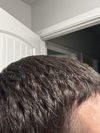
A young man faces severe hair loss in his early 20s, using treatments like dutasteride and minoxidil with little success, impacting his self-esteem and relationships. He considers hair systems and therapy as potential solutions.
A 40+ year old is regrowing their hairline using microneedling, minoxidil, tretinoin, low-level laser therapy, massages, and Nizoral, without using finasteride or dutasteride. They noted progress in hair growth below a birthmark, an area that hadn't seen growth since their teenage years.
Prostaglandin balance affects hair loss, particularly in conditions like Lichen Planopilaris, where an imbalance can lead to hair follicle damage. Treatments mentioned include prostaglandin analogs and Pioglitazone HCL, with a focus on maintaining prostaglandin equilibrium for potential hair regrowth.
The user discusses their hair loss experience, exploring various hypotheses including thyroid levels, vitamin D, DHEA, nutritional deficiency, diabetes, seborrheic dermatitis, lack of nutrition to hair follicles, chronic inflammation, female pattern hair loss causes, cortisol, and prolactin levels. They are currently using finasteride, beta-sitosterol, and have tried topical dutasteride and microneedling therapy.
User shared 5-month progress using oral finasteride and topical minoxidil for hair loss, improving from Norwood 3 to Norwood 1. User also mentioned weight loss after a breakup and starting gym alongside hair loss treatment.
The user has been using 1 mg finasteride, topical minoxidil twice daily, 1 biotin vitamin, and a 0.5 mm dermaroller for hair loss treatment since April. They've seen progress but experienced a shedding event in October, and are hoping for increased density in the coming months.
The conversation is about creating a natural hair loss topical using ingredients like cetirizine, Zinc Sulphate Heptahydrate, Safflower Extract, Ricinoleic Acid, and others. The user is seeking input and collaboration on this topical formula.
The user experienced significant hair thinning and scalp irritation after three months of using topical finasteride. Suggestions include that shedding is normal before regrowth and switching to oral finasteride or addressing scalp inflammation might help.
The user has been using a hair solution with 0.3% finasteride and 5% minoxidil, along with microneedling, but is experiencing more thinning on one side. Suggestions include checking application techniques and ensuring microneedling is not overdone.
Minoxidil was applied to a single miniaturized hair follicle over four months, resulting in less miniaturization but not yet terminal growth. The user used a 5% minoxidil solution, specifically the Regaine brand, and observed changes using a handheld WiFi microscope.
Dr. Bloxham's trial is testing verteporfin on hair transplant patients to see if it can improve hair regrowth in treated areas. People are discussing the potential for follicle regeneration, expected results timeline, and concerns about side effects like cancer.
The user is experiencing hair loss despite using oral dutasteride for 7 months and topical minoxidil for 3 months. They are concerned about miniaturization and question if the current minoxidil application is less effective without the previous finasteride mix.
A user is experiencing worsening hair loss despite using dutasteride, oral minoxidil, ketoconazole, and dermarolling. They are advised to reduce dermarolling frequency and depth to avoid damaging hair follicles.
The user experienced severe hair loss, itchy scalp, and skin issues after trying no-shampoo, and wonders if it's male pattern baldness or an immune issue. They have a history of eczema, dermatitis, and jock itch, and have tried various treatments like coconut oil, peppermint, pumpkin seed, and onion.
The conclusion of the conversation is that the user has made progress in their hair loss with the use of oral finasteride and topical minoxidil. The progress was most significant in the first year, and the user's temples are slowly improving.
A user's progress with a hair loss treatment regimen consisting of minoxidil, finasteride, and dermarolling once a week over four months; other users have offered encouragement and advice.
The conversation is about a 23-year-old man's positive experience with hair regrowth using oral finasteride (1mg daily) and topical minoxidil (twice daily), with initial side effects including zero libido and watery semen that resolved except for the semen consistency. He also used dermarolling initially but stopped due to brittleness.
A user experiencing scalp pain and diffuse hair thinning is taking finasteride and using Nizoral shampoo. They plan to continue finasteride for 6 months and consider adding minoxidil if no improvement is seen.
The conversation discusses using estradiol and its derivatives for hair loss without causing feminization. Users mention alternatives like alfatradiol, topical 17b-Estradiol, and DIM (Diindolylmethane).
A user experienced continuous hair shedding for 13 months after starting finasteride, suspecting it might cause chronic telogen effluvium, and considered switching to dutasteride or stopping medication. Other users suggested that finasteride doesn't cause hair loss, recommending dutasteride for more aggressive hair loss, while some advised against stopping medication.
The user shares their hair loss treatment routine, which includes dermarolling every 5 days, daily Minoxidil, topical Finasteride, Biotin, Nizoral every 2 days, Castor Oil, and daily use of a Power Laser Comb. They categorize it as "Progress Pictures."
The user has been using a hair regrowth regimen for 9-10 months, including topical finasteride and minoxidil, various oils, and supplements like multivitamins and omega-3. They observed fine hairs returning and a change in scalp texture after adding cinnamon oil, questioning if this indicates positive hair regrowth.
An 18-year-old woman experiencing hair loss due to stress, possible PCOS, and low vitamin D is concerned about starting 5% minoxidil foam, prescribed by her doctor, due to potential facial hair growth. She is also using a topical steroid for scalp sensitivity and pain.
User plans to switch from oral to .005% topical finasteride, using a solvent from minoxidilmax and later Essengen-F. They will monitor DHT levels and seek advice on solvents and sleep caps.
A person transitioning is using 2mg sublingual estradiol and 2.5mg oral minoxidil daily for hair regrowth, noting significant progress in three months. They plan to increase estrogen dosage and consider adding dutasteride, discussing the effects and challenges of transitioning.
The conversation is about a user's progress in treating diffuse hair thinning using a topical regimen including finasteride, minoxidil, ketoconazole, microneedling, saw palmetto, collagen, and vitamins, along with lifestyle changes. The user plans to switch from topical to oral finasteride for potentially better results.
The conversation discusses the potential of Verteporfin, an FDA-approved drug, for hair loss treatment, particularly in combination with microneedling or PRP. Users express hope and curiosity about its application, while some remain cautious due to the need for more extensive testing.