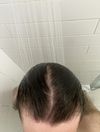
A participant using Veradermics VDPHL01, an extended-release oral minoxidil, experienced significant hair regrowth from Norwood 6 to Norwood 3V without side effects. They plan to use dutasteride after the treatment to maintain results.
PP405 is being discussed for hair regrowth, with mixed opinions on its effectiveness and legitimacy. Some users report early signs of regrowth, while others are skeptical about its authenticity and results.
The user experienced significant hair regrowth using topical finasteride/minoxidil and oral minoxidil/dutasteride, with some mild side effects that diminished over time. They plan to add microneedling to their regimen and have seen hair shedding cycles every six months, followed by thicker regrowth.
PP405 is anticipated as a future treatment for dormant hair follicles, but its effectiveness and safety are uncertain. Current treatments include oral minoxidil and microneedling, with some avoiding finasteride due to side effects.
Kintor's phase III trial for pyri (KX-826) showed promising safety and efficacy results, with no drug-related sexual dysfunction reported. Users discussed their experiences with pyri, Minoxidil, Dutasteride, and concerns about the validity of the study results.
The user has been using oral minoxidil and dutasteride for hair loss without success and is considering adding topical 17α-estradiol, Pyrilutamide, Clascoterone, or cetirizine. They have confirmed low serum DHT levels and are exploring additional treatments due to genetic sensitivity to DHT and prostaglandin D2.
A user shared their 11-month hair regrowth progress using 1mg finasteride daily and topical minoxidil, noting significant improvement despite initial shedding. They advise continuing treatment through sheds and suggest starting finasteride before minoxidil if anxious about hair loss.
The user is using RU58841, Revivogen, Regenepure ketoconazole shampoo, and plans to use a stimufield cap to address hair loss. They aim to avoid finasteride and minoxidil while hoping to stop hair loss and regrow hair.
Kintor's KX826 (pyrilutamide) is ineffective at 0.5% and overpriced at 1%, leading to user frustration and calls for fair pricing. Users suggest sticking with proven treatments like Minoxidil and Finasteride.
The user experienced significant hair regrowth using finasteride and minoxidil. They plan to switch to dutasteride for its potency after confirming their body's tolerance to DHT blockers.
User "hemantch" shares 5 months progress using topical Fin, Min, topical Dut, and a laser cap for hair loss. Significant regrowth was noticed after 1 month, and the treatments worked well despite being bald for 10 years.
The conversation discusses various hair loss treatments, including minoxidil, finasteride, dutasteride, pyrilutamide, alfatrodial, and nizoral, with a focus on the potential of new treatments like gt20029 and breezula. There is optimism about novel treatments that don't have systemic effects, although skepticism remains about the effectiveness of some new drugs.
The user is considering starting Minoxidil and is looking for a topical solution to combine with it. They are confused about which product to prioritize among options like RU58841, Pyrilutamide, FinaTopic, and DutaTopic.
The user is considering another hair transplant or scalp micropigmentation (SMP) for a congenital bald spot, but previous transplants were less effective due to scar tissue. Suggestions include using hair fibers, changing hairstyles, or doing nothing, as the spot is not very noticeable.
The conversation is about Kintor's announcement indicating continued hope for their product KX-826 as a treatment for Alopecia Androgenetica. Specific treatments mentioned are Minoxidil, Finasteride, and RU58841.
People are discussing ordering pyrilutamide for hair loss treatment in the US. The treatment is from Kintor's subsidiary company and is available on Amazon.
New hair loss treatments include Breezula, PP405, ET-02, KX-826, GT20029, VDPHL01, and CosmeRNA, with some showing promise in reactivating stem cells and reversing greying. Breezula and VDPHL01 are highlighted as potential add-ons or alternatives to current treatments like finasteride and minoxidil.
A user maintains NW2 hair with 1mg finasteride, 2.5mg oral minoxidil, and 5% topical minoxidil twice daily, along with ketoconazole shampoo and derma stamping. They seek advice on more aggressive treatments to achieve NW1.
A 20-year-old male experiencing hair loss is considering switching from topical finasteride to oral finasteride after using minoxidil and topical finasteride. He is unsure whether to switch now or wait until his hair recovers, as he is experiencing significant shedding.
The conversation introduces a specialized chatbot for ChatGPT Plus users that provides advice on hair loss treatments, drawing from research and community insights. It mentions treatments like RU58841, the "big 4" (likely minoxidil, finasteride, ketoconazole, and tretinoin), dutasteride mesotherapy, topical melatonin, microneedling, and rapamycin.
User tried dutasteride, topical finasteride, oral minox, dermawounding, saw palmetto, pumpkin seed oil, and ketacozonole for hair loss. Improvement was temporary, now trying RU58841 and seeking help.
The conversation discusses the HMI-115 trial for hair loss, which was expected to end around July 2023 due to a late participant. Participants also mention Minoxidil, finasteride, and RU58841 as treatments.
The conversation discusses the delay in the release of GT20029 for hair loss treatment and skepticism about its effectiveness. Participants mention other treatments like verteporfin and advancements in transplant procedures as more realistic options.
The user is experiencing hair loss after a hair transplant and is considering using fluridil (Eucapil) and possibly alfatradiol as treatments, as they couldn't tolerate finasteride or minoxidil. The manufacturer of Eucapil confirmed they won't produce higher concentrations due to lack of efficacy.