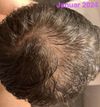
The user has been using finasteride for over a year without improvement and recently started oral minoxidil. Suggestions include trying dutasteride and continuing minoxidil for potential regrowth.
The conversation is about a user's experience with finasteride not improving their hair loss and considering dutasteride as a last resort. Some users believe the user's hair appears stabilized, while others suggest surgery or patience, and one mentions heart issues as a reason for not using minoxidil.
A 23-year-old woman is considering starting minoxidil for hair thinning but is concerned about its long-term use and effectiveness. Recommendations include consulting a doctor, checking ferritin levels, and considering treatments like spironolactone or finasteride, while minoxidil is suggested for regrowth but not as a primary treatment.
The user experienced significant hair loss after extended fasting, initially thought to be Telogen Effluvium, but later suspected male pattern baldness. They tried finasteride briefly but stopped due to concerns about side effects, and are unsure if the hair loss is due to Telogen Effluvium or another cause.
The user has been using finasteride for six years and minoxidil for three years with no noticeable hair regrowth. Suggestions include switching to dutasteride, considering a hair transplant, and trying microneedling.
The user has been using a combination of finasteride and minoxidil for 5 months and is considering adding dutasteride due to slow progress. They plan to alternate between oral finasteride and dutasteride to save costs and are advised to continue the treatment for more time, possibly adding tretinoin, while considering a hair transplant if results remain unsatisfactory.
A 26-year-old man shared his positive results after 10 months of treating male pattern baldness using a regimen that includes Estradiol Enanthate, DHPA, Bicalutamide, Dutasteride, oral and topical Minoxidil, and a dermaroller. He experienced mild gynecomastia and reduced body hair as side effects but was satisfied with the outcome.
A 22-year-old male has been using Minoxidil for 2.5 years and Finasteride for 8 months without significant improvement in hair loss. Despite adding supplements and other treatments, hair density remains low, and he seeks advice on further options.
A 21-year-old from Germany is experiencing a receding hairline and is considering treatments like Finasteride and Minoxidil. They are unsure whether to consult a general practitioner or dermatologist and are concerned about being taken seriously due to their age.
A 20-year-old is experiencing hair loss and has tried oral and topical minoxidil, finasteride, and is considering dutasteride and a hair transplant. They feel frustrated and hopeless due to the lack of results and its effect on their mental health.
A woman is frustrated with her hair loss and the slow, ineffective healthcare system in Canada. She has tried treatments like minoxidil, doxycycline, and kenalog injections, but continues to experience painful inflammation and hair loss.
Hair loss is a common issue, with treatments like finasteride and minoxidil used but not as permanent cures. Frustration exists over societal perceptions and the lack of a definitive solution.
A user encouraged others experiencing hair loss to try shaving their heads, sharing their own positive experience despite briefly using finasteride and natural methods. Responses were mixed, with some supporting the decision and others suggesting treatments like minoxidil and finasteride, while many commented on the appearance changes.
The user is using minoxidil, finasteride, Nizoral 2%, and microneedling for hair loss but finds Nizoral drying. They seek affordable shampoo and conditioner recommendations, with one reply suggesting baby shampoo for non-Nizoral days.
A 31-year-old man who previously had good results with minoxidil, finasteride, and nizoral for hair loss is now experiencing unusual hair loss and side effects from finasteride. Respondents suggest it might be severe retrograde alopecia and recommend exploring other treatment options due to his inability to tolerate finasteride.
A user reported that Minoxidil, a hair growth treatment, stopped working for them despite initial success. Other users suggested not taking breaks from the treatment, checking for fake products, trying microneedling, using oral Minoxidil, combining Minoxidil with tretinoin, and using finasteride.
A user shared their hair loss journey, starting with minoxidil and later switching to finasteride due to dissatisfaction with minoxidil. They experienced some regrowth and shedding, with mild side effects from finasteride, and are hopeful for future improvements.
A 26-year-old is using minoxidil 5% and finasteride 0.1% topically for hair growth, with noticeable improvement in two months, especially on the hairline. They also use a derma-stamp every 15 days and report minimal side effects.
The user is experiencing hair loss and is using topical finasteride, rosemary oil, caffeine, microneedling, low-level laser therapy, scalp massages, ketoconazole shampoo, and various vitamins and supplements. They are concerned about potential gynecomastia and are considering using minoxidil if current treatments do not stop hair loss or promote regrowth.
A 33-year-old male shared his hair regrowth journey, using minoxidil, dermarolling, hair brushing, scalp oils, dietary changes, and supplements. After five months, he started finasteride to improve hair thickness.
A 39-year-old user has been using topical 0.3% finasteride with 6% minoxidil for almost 7 months without seeing significant improvement in hair regrowth. They are considering switching to a gel with higher minoxidil concentration, adding retinoic acid, or trying topical dutasteride, while others suggest returning to 5% minoxidil foam, adding oral finasteride, or exploring microneedling and lifestyle changes.
Minoxidil and finasteride aid hair regrowth, but a healthy lifestyle, including proper nutrition and maintaining a healthy weight, enhances their effectiveness. Being underweight can impede hair regrowth, while a balanced diet and addressing deficiencies can improve outcomes.
The user is frustrated with hair loss, having switched from topical minoxidil and finasteride to dutasteride and oral minoxidil without seeing improvements. They are considering a hair transplant and are advised to continue the current treatment and explore therapy or lifestyle changes.
Androgenic alopecia (AGA) might have evolved to reduce prostate cancer risk by increasing UV exposure to the scalp, but this theory is debated. Treatments like minoxidil and finasteride are used for AGA, though the exact causes and evolutionary reasons for hair loss are unclear.
The user shared progress pictures after 9 months of using oral finasteride and topical minoxidil for hair loss, noting improvements in hair density. Concerns about side effects of finasteride were discussed, with some users sharing personal experiences.
The user reported positive hair regrowth after 5 months using Minoxidil, red light therapy, and lifestyle changes, including dietary improvements and stress reduction. They chose natural supplements like saw palmetto and beta-sitosterol over pharmaceutical DHT inhibitors like finasteride.
Minoxidil with alcohol and propylene glycol was more effective than non-alcohol versions, and RU58841 worked best in a non-water-based solution. Oral finasteride showed better results than topical, despite side effects; microneedling and tretinoin worsened hair loss, and PRP was only helpful when younger.
A 19-year-old experienced worsening hair loss after 4 months on finasteride, despite initial improvement with minoxidil. The consensus is to continue treatment for at least a year, as shedding is common and often temporary.
A 29-year-old woman is experiencing gradual hair thinning since age 15, suspects Androgenic Alopecia, and has tried 5% minoxidil with little success. She has purchased various hair loss treatments including minoxidil, dutasteride, finasteride, and spironolactone, but is cautious about starting them due to potential interactions with her ADHD medication.
A user's experience with hair loss and the treatments they have used, such as finasteride, minoxidil, dut micro injections, and prp. The user has not seen much progress after two years of treatment, and their mental health is being negatively impacted by their hair loss.