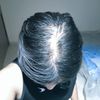
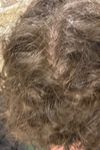
A dermatologist advised stopping minoxidil and trying redensyl serum, while also starting finasteride. Concerns were raised about increased hairloss after stopping minoxidil.
The user is experiencing continued hairloss despite using minoxidil, finasteride, tretinoin, and microneedling. They are considering a hair transplant due to lack of response to current treatments.
A user is considering using finasteride and minoxidil to address hairloss, particularly at the temples and crown. Responses include encouragement, humor, and additional suggestions like using a derma roller.
OP is exploring ways to stop or reverse greying hair, using NAC and considering PABA supplements. Some users suggest hair dye, black strap molasses, and copper as potential solutions.
The conversation provides scientific sources on hairloss treatments like finasteride, minoxidil, and others, aiming to help individuals make informed decisions about their treatment options. It also discusses phytochemicals as alternative treatments due to concerns about side effects from drug-based therapies.
A 21-year-old male shared his extensive hairloss treatment protocol, which includes Dutasteride, RU58841, Ketoconazole shampoo, oral Minoxidil, pyrilutamide, MK677, dermastamping, and castor oil, and reported improved hair regrowth and overall well-being. He has experienced no side effects and has also improved his diet and lifestyle.
A user is experiencing significant hairloss and scalp issues despite using Minoxidil, finasteride, and RU58841 since 2017. They switched to oral Minoxidil and are now on isotretinoin and topical corticosteroids for seborrheic dermatitis but continue to lose hair and seek advice on whether inflammation or treatment changes are the cause.
The user has tried finasteride, minoxidil, dutasteride, microneedling, retinol, topical finasteride, and ketoconazole for hairloss but continues to experience hair recession. They are considering adding oral minoxidil or RU58841 and are unsure about the next steps.
A 37-year-old man is seeking advice for hairloss treatment, considering options like finasteride and topical or oral minoxidil. A user suggests consulting a doctor and monitoring blood pressure if using oral minoxidil.
The user's hair thinning and shedding were due to Telogen effluvium caused by COVID-19, not the ineffectiveness of Finasteride. The shedding eventually slowed, and hair growth resumed, but the user was advised to consider additional treatments like Minoxidil or microneedling if needed.
A 20-year-old feels defeated about hairloss and struggles with consistent minoxidil use due to ADHD. They plan to visit an endocrinologist for finasteride and consider shaving their head while continuing treatments.
A 22-year-old is struggling with hairloss despite using treatments like minoxidil, finasteride, dutasteride, castor oil, rosemary, argan oil, and microneedling. Stress and poor sleep are worsening the condition, and they seek advice as current treatments have been ineffective.
A 19-year-old experiencing hairloss despite using minoxidil and finasteride for three months, with no family history of baldness except for maternal grandfather. The user is advised to continue the treatment for Androgenic Alopecia and not rely on home remedies.
Minoxidil increases blood supply to the scalp, strengthening dormant follicles and extending the growth phase, but may increase scalp activity that can be countered with DHT blockers. Women experiencing side effects from finasteride or dutasteride for hairloss might consider alternatives like estrogen, especially if on birth control.
Creatine may increase scalp DHT without affecting serum DHT, potentially speeding up male pattern baldness (MPB) for those genetically prone. Treatments mentioned include Minoxidil, finasteride, and RU58841.
A 22-year-old male experiencing thinning hair seeks natural remedies, avoiding minoxidil and finasteride due to potential side effects. Suggestions include using rosemary oil with microneedling, vitamins, and considering minoxidil for regrowth, while others emphasize finasteride as the most effective option for maintaining hair.
The user feels hopeless about hairloss despite using finasteride, dutasteride, minoxidil, and RU58841, and having a hair transplant. They are advised to maintain consistency in treatment, consider increasing dutasteride dosage, and explore topical solutions for better results.
Hairloss treatments, including PP405, minoxidil, finasteride, and RU58841, with hopes for future solutions. Participants discuss the emotional impact of hairloss and consider alternatives like hair transplants or acceptance.
Hairloss was triggered by a testosterone and Masteron cycle, causing scalp tension and shedding. Topical finasteride, RU58841, and oral minoxidil were used to stop shedding and improve scalp condition.
The user is questioning why they are not experiencing hairloss like their family members. They are considering whether genetics or preventive treatments like Minoxidil, finasteride, or RU58841 might be influencing their hair retention.
The user experiences histamine intolerance with alcohol-based hairloss treatments like Rogaine foam and seeks alternatives. Suggestions include alcohol-free and PPG-free topical minoxidil or finasteride, and trying Spectral products with different solvents.
The conversation is about the role of testosterone in hairloss and the effectiveness of different treatments. The conclusion is that DHT is the main culprit for hairloss, and finasteride has been proven to work long-term in maintaining and regrowing hair. Testosterone may have a minor effect, but it is not the primary cause of hairloss.
The user is experiencing significant hair shedding despite 2 years on finasteride, 1.5 years on RU58841, and 10 months on oral minoxidil, and is frustrated with the ongoing issue. Another user shares a similar experience of losing a lot of hair daily for the last 3 years.
A user shared their positive experience with hair regrowth using finasteride and minoxidil, noting improvements in hair thickness and confidence. They also mentioned using a dermaroller and managing side effects, while others in the conversation shared similar experiences and advice on hairloss treatments.
DHT promotes hair growth in certain areas but causes scalp hairloss, highlighting a frustrating irony. Minoxidil is mentioned as a treatment that grows hair everywhere, including the scalp.