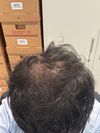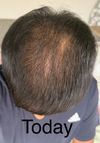
A 16-year-old is experiencing thinning hair at the front and shedding during showers. He is concerned about potential early baldness and is considering seeing a doctor and taking multivitamins.
The user has been taking 1 mg of finasteride daily for four months and is questioning if they are experiencing hair regrowth, as suggested by their barber. Another user suggests taking better photos to assess the crown area more clearly.
A user lost 60% hair density in 4 months, started finasteride and microneedling, and has greasy, flaky, yellowish scalp. They are awaiting biopsy results, and another user suggested trying ketoconazole shampoo.
The user has been microneedling weekly for almost 8 months without seeing progress and is experiencing shedding. They are also using finasteride daily and Kirkland minoxidil twice a day, and had a hair transplant after starting finasteride.
The user shared a 4-month update on their hair regrowth journey using finasteride, minoxidil, and microneedling, reporting significant progress and styling ability. They emphasized persistence, shared their regimen details, and addressed side effects like weaker erections and blurry vision, which improved with lifestyle changes.
The user shared an 11-month hair loss treatment update, maintaining the same regimen but adding vitamins and increasing minoxidil application to 1ml during the day. It's unclear if the vitamins contributed to any changes.
A user shares a routine using Nizoral 2% shampoo twice a week, followed by Ego QV Nourishing Shampoo and Conditioner, and Schwarzkopf Extra Care Hair Treatment Oil to prevent dryness and maintain healthy hair texture. Others discuss similar experiences with ketoconazole, noting improvements in dryness and reduced hair shedding.
The conversation discusses using USB microscopes for scalp photos and provides a link to an overview of trichoscopy. Treatments mentioned include Minoxidil, finasteride, and RU58841.
User doubts oral minoxidil's effectiveness after a month of use and shedding. Few people provide photo evidence of success, and some combine it with other treatments, making it hard to determine its effectiveness alone.
User shared progress pictures showing hair growth from January to March using 1mg finasteride, topical minoxidil with peppermint oil, derma stamping twice a week, and biotin. Commenters are impressed with the quick and significant improvement.
The user is using finasteride and topical minoxidil for hair loss after previously trying them separately without success. They are experiencing a shedding phase but are committed to the treatment.
A user shared their 6.5-month experience with topical finasteride (2%) and minoxidil (5%), noting initial progress followed by a significant shedding phase. Others in the conversation reassured that shedding is normal and suggested staying consistent with the treatment for potential regrowth.
Increased Malassezia and Cutibacterium in the scalp microbiome are linked to higher sebum production and inflammation in androgenetic alopecia (AGA). Treatments include ciclopirox shampoo, benzoyl peroxide shampoo, clobetasol propionate, calcipotriol, minoxidil, finasteride, and dutasteride.
The user is experiencing chronic folliculitis with scalp sores and is concerned about a receding hairline. They have tried various treatments including antibiotics, Nizoral 2% shampoo, and lifestyle changes, but are seeking further advice.
The conversation is about the struggles of dealing with diffuse thinning at a young age and the lack of significant improvement after using treatments like finasteride and minoxidil. Some suggest additional methods like derma rolling, microneedling, and hair fibers, while others share their own experiences and encourage persistence with treatment.
The conversation is about someone's improvement in hair density and hairline appearance after consistently using finasteride, topical minoxidil, dermarolling, and ketoconazole. They shared a progress picture showing the best results they've seen since starting treatment.
A user did not respond to finasteride, dutasteride, and oral minoxidil for hair loss after four years of treatment and is considering scalp micropigmentation (SMP). Other users suggest the hair loss pattern may indicate alopecia areata and recommend seeing a dermatologist.
Fluorescent lighting makes hair look thinner, causing concern about appearance. Some users consider treatments like DUT, while others share experiences of hair looking better in different lighting or conditions.
A 21-year-old female is experiencing rapid hair shedding and receding hairline despite trying various treatments like hydration, vitamins, and castor oil. Medical tests showed normal results, and she seeks advice as the hair loss continues.
The conversation discusses using retinol to enhance minoxidil's effectiveness for hair loss, with a user considering The Ordinary's 0.5% retinol and seeking advice on azelaic acid concentration. Other users suggest using tretinoin instead and consider pre-formulated products combining minoxidil, tretinoin, and azelaic acid, but the original poster has not seen improvement from dermarolling.
The conversation is about hair loss treatments, specifically Pyrludimide (KX-826) and Breezula (clascoterone), with the user unable to tolerate finasteride and dutasteride. The user plans to use these treatments alongside minoxidil, considering the efficacy and availability of each option.
Eucapill 2% used for 1 month reduced shedding from 200 to 10/20 hairs daily with no side effects. Finasteride caused side effects like ED and watery semen.
The conversation discusses preventing infection from derma stamping for hair loss treatment, with suggestions to reduce needle depth and consider alternatives like tretinoin. The user experienced irritation possibly from zinc chloride and stopped using the shampoo and derma stamping.
A 36-year-old is experiencing underwhelming results from derma stamping for hair thinning, using needle lengths of 0.5mm to 0.75mm. They are considering increasing needle length, taking a break, or pairing the treatment with rosemary oil.
Zinc pyrithione and piroctone olamine are effective for reducing hair shedding, possibly more so than ketoconazole. There is a concern about zinc pyrithione shampoo interfering with minoxidil, but it's unclear if this is proven.
The conversation is about creating a topical hair loss treatment with B6, zinc, and azelaic acid, which is claimed to inhibit 90% of scalp DHT. One user is skeptical about the effectiveness of this treatment and its comparison to other treatments without side effects.